What is the Warm Homes Plan and will you benefit from it? Everything you need to know about the new government scheme to reduce your energy bills
The government has unveiled a new scheme to reduce your energy bills

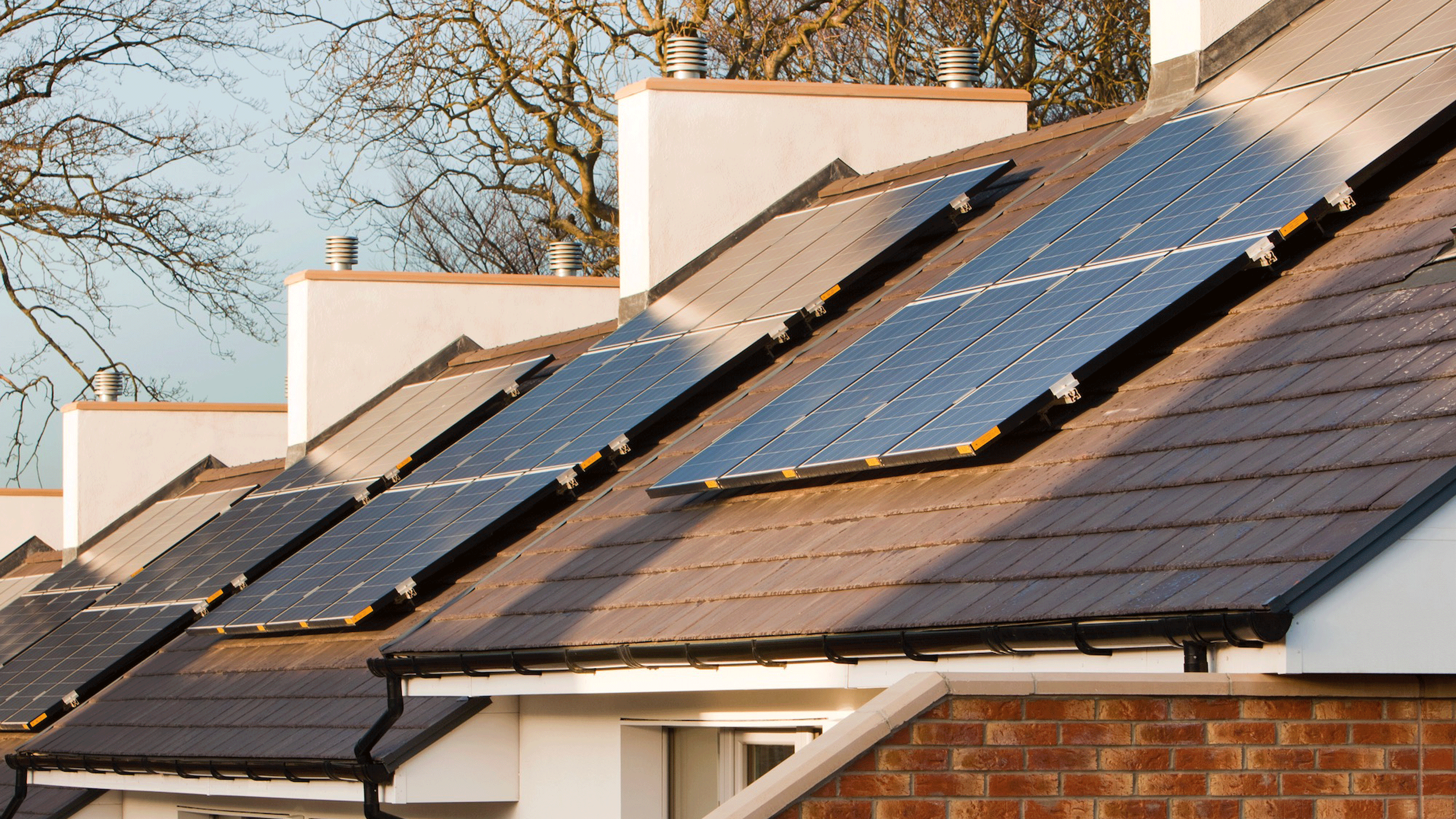
The cost of energy has been a hot topic ever since the energy crisis took hold as we came out of the pandemic. Now the government has announced the Warm Homes Plan which aims to improve the energy efficiency of the nation's homes, and bring down energy bills as a result.
While many households will be doing all they can to save energy at home and reduce their bills, for many, changes that can drastically move the dial come with a high initial cost that makes them unfeasible.
This new government plan aims to tackle the issue by providing access to low-interest loans and grants to make them more affordable. This is what we know so far.
What is the Warm Homes Plan?

The Warm Homes Plan is a £15 billion government initiative to help address the issue of energy affordability. The plan will ensure households in England, Scotland, Wales and Northern Ireland benefit from energy saving measures that will ultimately make their homes warmer and reduce their energy bills.
It is being touted as the biggest public investment in home upgrades in British history. Under the plan, there will be a 'universal offer' for all households to upgrade their homes if and when they want to, as well as specific help for low-income households, upgrades for social housing and new protections for renters.
'A warm home shouldn’t be a privilege, it should be a basic guarantee for every family in Britain,' says Prime Minister Keir Starmer. He adds that the plan 'will help to slash energy costs and lift up to a million people out of fuel poverty.'
'It is a scandal that millions of people in our country do not have the security of a home that is warm, affordable and safe,' adds Energy Secretary Ed Miliband. 'With this investment, we embark on a national project to turn the tide - waging war on fuel poverty and taking another step forward in tackling the affordability crisis for families throughout Britain.'
It is hoped that the plan will lift one million households out of fuel poverty and tackle long-term energy costs.
What energy efficient measures are included?

Under the Warm Homes Plan, people will be able to choose the most suitable technologies for their home, including:
- solar panels (Photovoltaic and thermal)
- heat pumps (ground source, air source (including air to air))
- home and heat batteries
- smart controls
- insulation (wall, floor, and roof)
- draught proofing
With the plan in place, homeowners will be able to apply for government-backed, low and zero interest loans to install these measures. For those with a low income or those in fuel poverty, they may have the cost of having suitable measures from this list covered by the scheme.
There will also be new rules that mean every new home will come with solar panels by default.
Who is set to benefit from the Warm Homes Plan?
Everyone in England, Scotland, Wales and Northern Ireland will benefit from the plan in some way, but the support may depend on a few factors including your income and whether you own or rent your home.
For all homeowners
Under the plan, all homeowners will have access to government-backed zero and low interest loans to get solar panels, heat pumps and batteries installed. It has not yet been confirmed how people will access these loans. In addition to the loans, homeowners can also benefit from a £7,500 universal grant for upgrading from a boiler to a heat pump.
For low-income households
£5 billion of the funding under the plan will go towards free packages of upgrades, depending on what best suits the home in question.
For social housing residents, entire streets may be upgraded at the same time to improve warmth and comfort.
For renters
The government has estimated that 500,000 households will be lifted out of fuel poverty by the end of 2029 by upgrading protections for renters and supporting landlords in making the necessary upgrades in a fair way.
FAQs
Is the Warm Homes Plan a good idea?
Increasing the energy efficiency of the nation's housing stock is definitely a good idea. Not only will this reduce energy consumption, thereby reducing household bills, but it's also good for the environment by reducing reliance on fossil fuels.
However, following issues with the Great British Insulation Scheme and the ECO4 (Energy Company Obligation 4) that saw widespread cases of poor quality insulation installed, the Warm Homes Plan will only be successful if there are quality controls in place.
Furthermore, as the energy-saving technologies listed in the plan have long been out of reach for many homeowners, there may be a lack of understanding around these measures which could reduce take up.
