
To get the most out of your solar panels, you may need to change your daily habits to ensure you are using high-energy appliances during peak sunlight hours. It is also a good idea to upgrade appliances to energy-saving models and only run one appliance at a time. You can keep on top of your energy usage by monitoring what you are generating and using via a smart meter or an app.
Installing solar panels can be a powerful way to take control of your energy bills and decrease your reliance on the grid. However, just having them installed doesn’t guarantee savings.
To unlock the full potential of your solar system, you will need to adjust your daily habits, familiarise yourself with helpful tracking tools and consider additional household upgrades that will make sure you’re maximising the power generated by your solar panels.
Fortunately, many of these swaps are simple behaviour changes that you can easily integrate into your daily life. If you’re looking to get the most out of your solar panels at home, here are 7 simple ways to ensure you're powering your home efficiently and keeping your energy costs as low as possible.
1. Take advantage during sunny periods
The biggest way to get the most out of your solar panels is to adjust your daily habits so that you are using most of your energy during daylight hours when your panels are generating electricity. That means making the most of a sunny day by doing things like putting the washing machine and dishwasher on.
Ideally, you should focus on running high-energy appliances during peak sunlight hours, which usually fall between 10am and 4pm. This can include things like washing machines, dishwashers, ovens and tumble dryers. If you have an electric vehicle, this is also the optimum time to charge it to maximise the use of your self-generated electricity.

2. Use one appliance at a time
It’s a good idea to adjust to using one appliance at a time, so you can best match your consumption to the output of your panels, to minimise the amount of energy you are drawing from the grid.
You can monitor your energy usage via the in-home display that came with your smart meter. You can also invest in smart timers, which can be scheduled to turn on one at a time when your solar panels are producing energy.
3. Upgrade your appliances
Switching to energy-efficient appliances will help you to cover more of your consumption from your solar panels, allowing you to power your home using less energy. This can be as simple as switching to LED bulbs, which use less energy than a traditional lightbulb.
If your home is filled with old, large appliances, such as a dishwasher from 10 years ago or a washing machine, it could be worth considering upgrading them to appliances with high energy ratings with A+++ labels.
4. Monitor your usage on an app with E.ON Next
Alongside shifting your energy consumption behaviour, it’s essential to monitor your energy usage to track the total energy your solar panels are producing and how much you’re using. You can find this information on the in-home display which came with your smart meter, but many providers, such as E.ON Next, also offer an app to help you keep track from your phone. E.ON Next’s app also allows you to manage your home energy accounts, keeping everything in one streamlined place.

5. Buy a battery to store energy from a provider like E.ON Next
Solar batteries are essentially big rechargeable batteries which use excess solar power to charge up during the day. You then use the stored energy to power your home when your solar panels aren’t producing enough, like at night.
If you buy from a provider like E.ON Next, you can include a battery as part of the solar panel installation package. The cost of a battery can start at about £1,500 for the smallest systems, according to the Energy Saving Trust, with a typical 5kWh battery costing around £4,600. But you can save money by installing them at the same time as your solar panels, as the installers are already on site.
6. Use solar-compatible appliances
If you want to make the most of the energy savings coming from your solar panels, it’s worth upgrading to systems that work seamlessly with solar systems, like an Electric Vehicle. If you have a charger at home, you can charge your EV during the day to save needing to import energy from the grid.
It’s also worth considering upgrading to other electricity-based systems, such as switching your boiler for a heat pump. As long as you’re producing enough electricity to power the energy-efficient heating system, you could make even bigger savings on your energy bills.

7. Inspect your panels regularly
Solar panels are pretty low maintenance; they are designed to be self-cleaning, so they can sit up on your roof and just do their thing. However, any drop in performance of your solar panels could be a sign that they need some TLC, which is why it’s a good idea to give them a quick look over now and again to check for dirt and debris, which you should be able to do from ground level.
You might need to clean your panels if:
- There's been a dry period with little or no rain.
- You live in a particularly dusty or sandy area.
- There’s a build-up of dirt, such as bird droppings, on the panels.
- Your panels are mounted at less than a 15° angle.
If they do need cleaning, don’t attempt to do this yourself; instead, call in a professional solar cleaning company who are trained to disconnect your panels as well as clean them.
Getting the most out of your solar panels is about so much more than just having them up on your roof; it’s about proactively making them part of your daily life. You are in the driver's seat when it comes to how much energy you’re using and powering your home efficiently, so be smart about it. Adopt simple shifts such as running your washing machine during peak sunlight hours, and tracking your energy usage on an app; a few small changes will go a long way in ensuring big returns on your investment.
-
 Le Creuset just dropped its most unlikely limited edition collection ever
These are the pieces I'm predicting will skyrocket in value once the range sells out
-
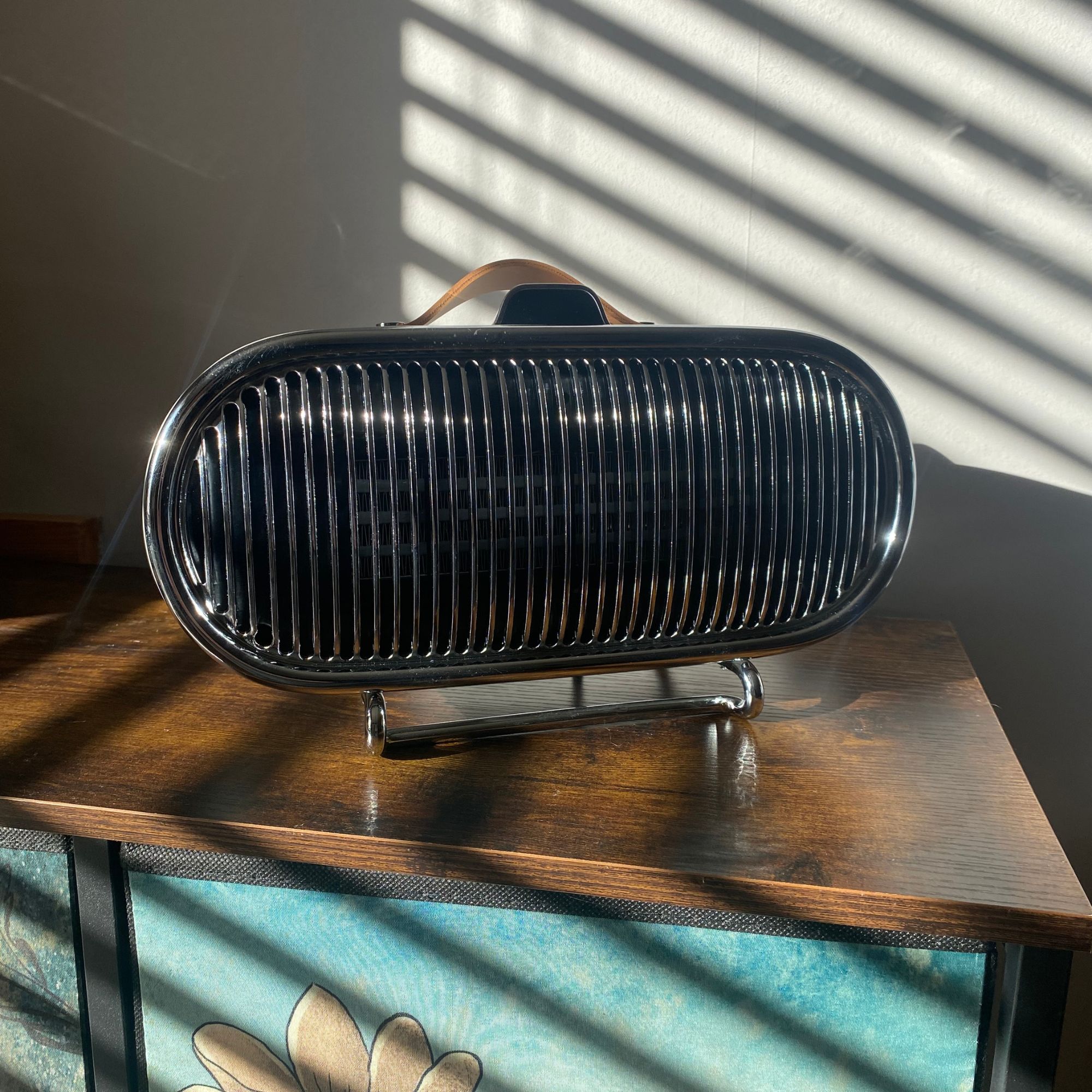 This retro style electric heater has proved to me that these appliances can be stylish
It's under £50 too!
-
 Olivia Attwood reveals the John Lewis bedding she swears by to make getting into bed feel like a luxury hotel experience – our Sleep Editor approves, too
‘I think good quality bedding and a good mattress is such an investment'


