
At a glance
A heat pump can fundamentally change how your home feels in comparison to a traditional boiler. It’s quiet and provides a different kind of gentle, consistent warmth. A heat pump's low-maintenance nature and long lifespan also offers peace of mind that it won’t let you down when you need it.
You might think that switching to a heat pump is just about using a more energy-efficient and cost-effective machine to heat your home. However, when you buy a heat pump through E.ON Next, it can fundamentally change how your home feels to live in.
Unlike the on-and-off nature of a traditional boiler, a heat pump delivers a consistent and gentle kind of warmth. This low and slow comfortable heat can put an end to feeling the chill at home, but that’s only a small part of its benefits.
From eliminating cold spots to creating a quieter environment compared to a traditional boiler, here are six ways a heat pump can change how your home feels.
1. It’s always warm enough
Heat pumps are most efficient when left to run all the time at a low, consistent temperature, and not turned on and off again like you would with a traditional boiler. You won’t save energy by turning a heat pump off, as it just has to work harder to get your home back up to temperature, and it also doesn’t heat up a room as quickly as a boiler can, so it needs to be left to do its thing.
This means your home should feel consistently warm enough throughout the year. Heat pump case studies done by the Energy Saving Trust regularly found that homeowners not only didn’t feel the cold as much, but they liked that the heat pump could be left to do its thing at a steady temperature without thinking about it.

2. The warmth feels gentler and more even
Don’t expect the toasty heat that comes from a traditional boiler; heat pumps offer a different, more comfortable kind of heat. They operate at a lower flow temperature than boilers, which heat your home more gently and evenly when left to run all day.
So while the surface of radiators might feel cooler to the touch, your home overall should still feel warm and comfortable because they’re on all the time. This consistent temperature will also help maintain humidity levels in your home, improving your overall comfort levels.
3. You no longer avoid the ‘cold room’ (even more likely when you opt for E.ON Next)
Installing a heat pump usually involves upgrading the insulation and opting for energy-efficient radiators to make the most of the heat it produces. A handy benefit of this is that it can put an end to ‘cold rooms’ or ‘cold spots’ in a home.
If you go with an energy provider such as E.ON Next, they will conduct a heat loss assessment of your home and ensure your whole heat pump system is designed to make sure every room reaches the right temperature, and they will recommend any upgrades required.

3. The risk of damp and mould is reduced
The best way to avoid damp and mould is to keep a home at a consistently warm temperature. The minimum temperature of a home to avoid damp and mould should be no less than 18 degrees.
This is easily achieved if you have a heat pump keeping your home at a consistently warm temperature.
4. Some heat pumps offered by E.ON Next are quieter
There’s a myth that heat pumps are noisy, but many modern heat pumps produce no more noise than a fridge or dishwasher. Heat pumps already operate at a similar decibel level to a gas boiler, but there is the added element that heat pumps are located outdoors, unlike a traditional boiler, which means inside a home will feel quieter.
In fact, a well-installed Quiet Mark certified heat pump, like the Valliant aro THERM Plus, which is one of the heat pumps offered by E.ON Next, should create no noise disturbance.

5. Less worrying about repairs
One of the biggest and often overlooked benefits of a heat pump is how low-maintenance it is. Heat pumps have minimal moving parts, so they’re far less susceptible to breaking down. Even so, they should still be serviced annually.
What this does is help ease the mental load of worrying about whether it’s going to break in winter when you need it the most, or if you’ll suddenly be out of pocket replacing it, which will be all too familiar to anyone who has owned a boiler.
Most heat pumps have a life expectancy of 10 to 25 years, which is double that of a typical domestic boiler, which typically lasts around 10 to 12 years.
Upgrading to a heat pump is about more than just reducing your carbon footprint or lowering your bills; it’s an investment in your home. It can help eliminate those annoying cold spots and put your mind at ease that your hot water and heating are reliant on a low-maintenance system designed to last for decades.
-
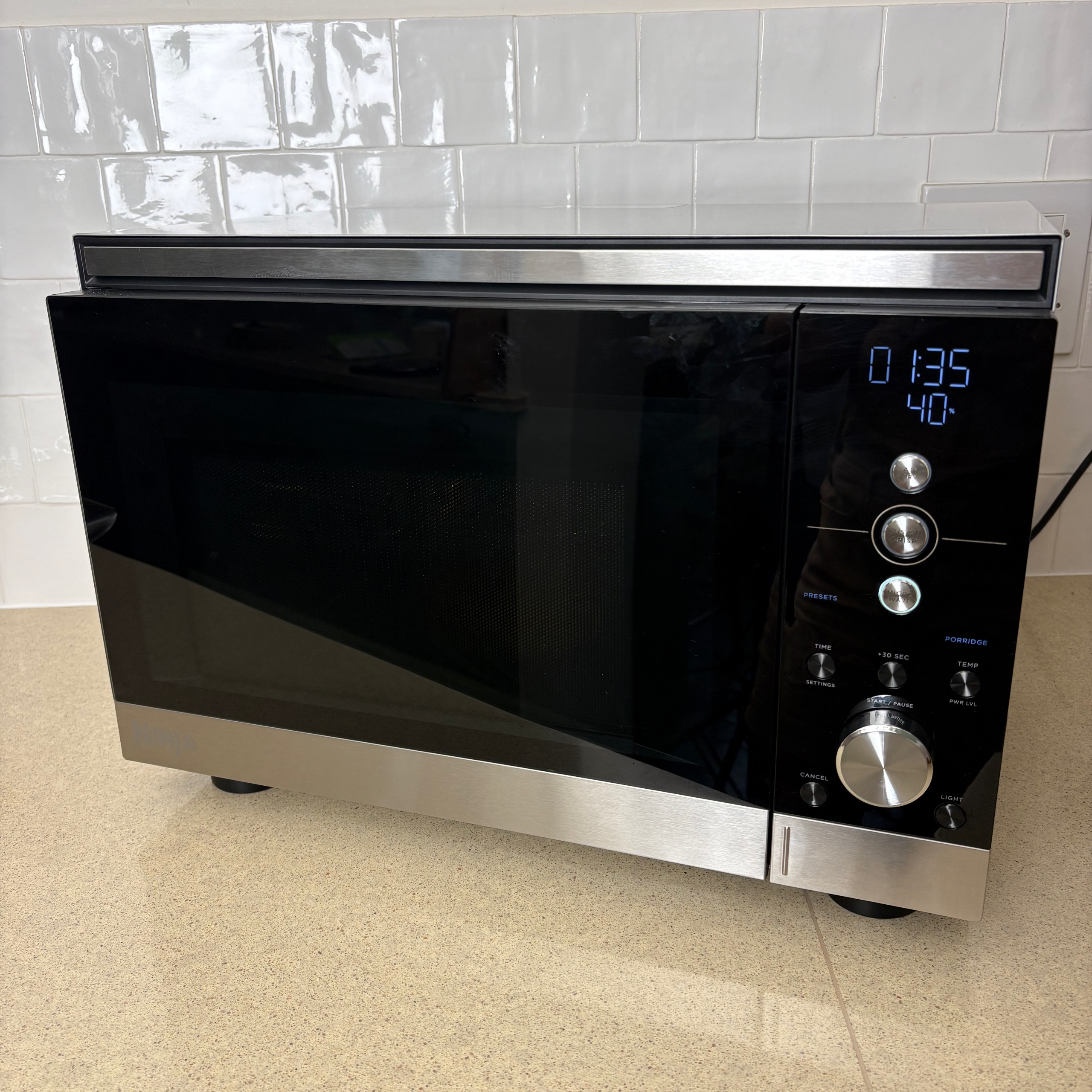 Ninja's sellout alternative to an air fryer is finally back in stock – here's why you'll want to snap up the 2-in-1 appliance asap
The brand's first-ever hybrid air fryer combo is back and available to buy now
-
 I'm wool-maxxing my home this cosy season – 12 wool home accessories to keep you warm
It’s getting cold out there! And this is the best way to keep you and your home feeling cosy and warm
-
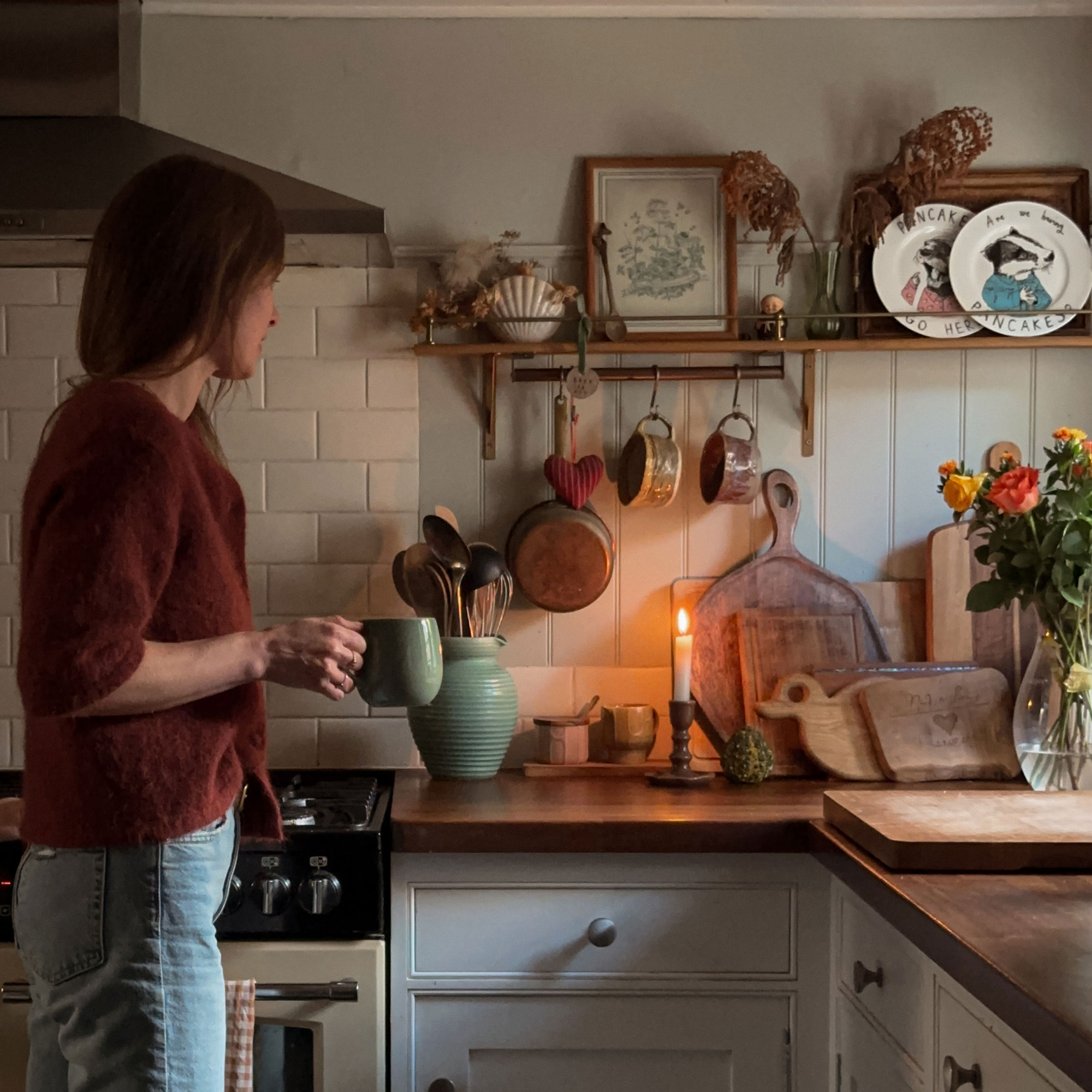 I don't redecorate for autumn – I use these 5 tricks to make my home feel cosy
From switching on little lamps to bringing garden greenery indoors


