
Modern air source heat pumps are designed to operate quietly, are more energy efficient to run and require only a small amount of outdoor space for installation. They can work in cold winter temperatures in the UK and are a low-maintenance heating system with a 25-year life span.
Over the last few years, heat pumps have emerged as one of the most energy-efficient and alternatives to a traditional boiler. However, myths about how they work and what they’re like to live with have put many homeowners off adopting these new heating systems.
Concerns around noise, installation requirements, running costs, size and maintenance are all common misconceptions. These common myths come from a mix of misunderstandings and confusion over air source heat pump systems.
Here are some of the most common myths that you should ignore, explained and debunked.
Are heat pumps noisy?
Heat pumps aren’t noisy. Modern air source heat pumps are designed to operate quietly. A team of acoustic experts in a review on heat pump noise found that they produced a similar noise level to a fridge.
While the noise level of a heat pump will fluctuate depending on how hard it’s working, it should never be so noisy that you can’t hold a normal conversation next to it. The noise levels are something your installer should consider for you, as for a heat pump to be installed without planning permission, its noise level must be 42dB or less when standing one metre from a neighbouring window.
Do heat pumps cost more to run than a gas boiler?
The cost to run will depend on the efficiency of your current boiler.
According to the Energy Saving Trust, it will only cost around the same to run as a gas boiler if you have a newly installed A-rated boiler. The Energy Saving Trust estimates that an average heat pump powering a three-bedroom home costs around £40 a year more to run than an A-rated gas boiler. However, if you have an old (G-rated) boiler, a heat pump will save you £260 a year.
Heat pumps are powered by electricity, which is currently around four times more expensive than gas. However, they’re more efficient than a boiler, giving you up to four times more heat for each unit of energy used to power it, making them cost-effective to run.
To make sure you’re not caught out, energy provider E.ON Next uses Microgeneration Certification Scheme methodologies to model the expected energy consumption of an air source heat pump as part of its consultation process. So you’ll have a clear idea of what to expect in terms of energy bill costs before installation.

Can heat pumps only be installed in new builds?
It’s a huge misconception that heat pumps can only be installed in new builds. In fact, the Government's Boiler Upgrade Scheme, which offers £7,500 grants to install heat pumps, is only available to older homes with an existing fossil fuel heating systems (ie. a gas boiler).
The myth comes from the fact that heat pumps are more commonly associated with new builds, which will be required to have them included as standard as part of the government's Future Homes Standard. Also, modern, well-insulated homes will get the best out of a heat pump due to their ability to retain heat.
Not every old home is suited to a heat pump. If you use an installer like E.ON Next, they carry out a heat loss assessment on your home to make sure your property has everything you need for and provide recommendations for maximising your heat pump’s efficiency.
Do heat pumps take up a lot of space?
There are three types of heat pumps: air, ground and water source. The most popular and commonly installed heat pump is an air source, which only needs a small amount of outdoor space to be installed.
An air source heat pump is usually between 1 and 1.5 metres high, and 0.5 and 1 metre wide. It can easily sit next to an outside wall, within a metre of your neighbour’s property. In contrast, a ground source heat pump requires more digging to install the pipework underground.
Larger homes and poorly insulated homes will require larger air source heat pumps. However, if you choose to install your air source heat pump with E.ON Next, one of their qualified surveyors will assess your home’s specific needs to recommend the ideal size of air source heat pump.

Do I need new radiators for heat pumps?
Air source heat pumps can work with your existing radiators or underfloor heating. However, you might need to upgrade your radiators to larger ones to enhance the heat pump’s efficiency.
Heat pumps operate at a lower flow rate than gas boilers. What this means is that your radiators need to be efficient at distributing heat at these lower temperatures.
Can heat pumps provide hot water?
Air source heat pumps can provide you with hot water and heat your home. However, most heat pumps don’t provide hot water on demand like a combi boiler.
You’ll need a hot water cylinder to store the hot water the heat pump generates. A hot water cylinder can usually fit inside any cupboard that measures 80x80 centimetres.

Do heat pumps work in winter?
A heat pump should work just the same in winter as it does the rest of the year. Heat pumps are designed to work in temperatures as low as -20 degrees, and with the average UK winter temperature being 4.09 degrees according to the Met Office, there’s no need to worry about your heat pump not working in cold weather.
Are heat pumps hard to fix?
Air source heat pumps are relatively low-maintenance and require a similar amount of maintenance as a boiler. It’s recommended you have your heat pump serviced annually, but a heat pump can last 25 years, which is double the lifespan of a typical boiler. Also, there are fewer moving parts than in a traditional heating system, so they’re less prone to breakdowns.
Any common issues that arise are usually due to a problem with the installation. That is why it’s so important to look for a heat pump installer who is certified with the Microgeneration Certification Scheme (MCS), like E.ON Next. They ensure your installation meets the highest MCS safety and quality standards.
There are so many persistent fears surrounding heat pumps, but the simple truth is that most of these myths are unfounded if you focus on finding a certified installer who will help ensure you have the right system in place for your home.
-
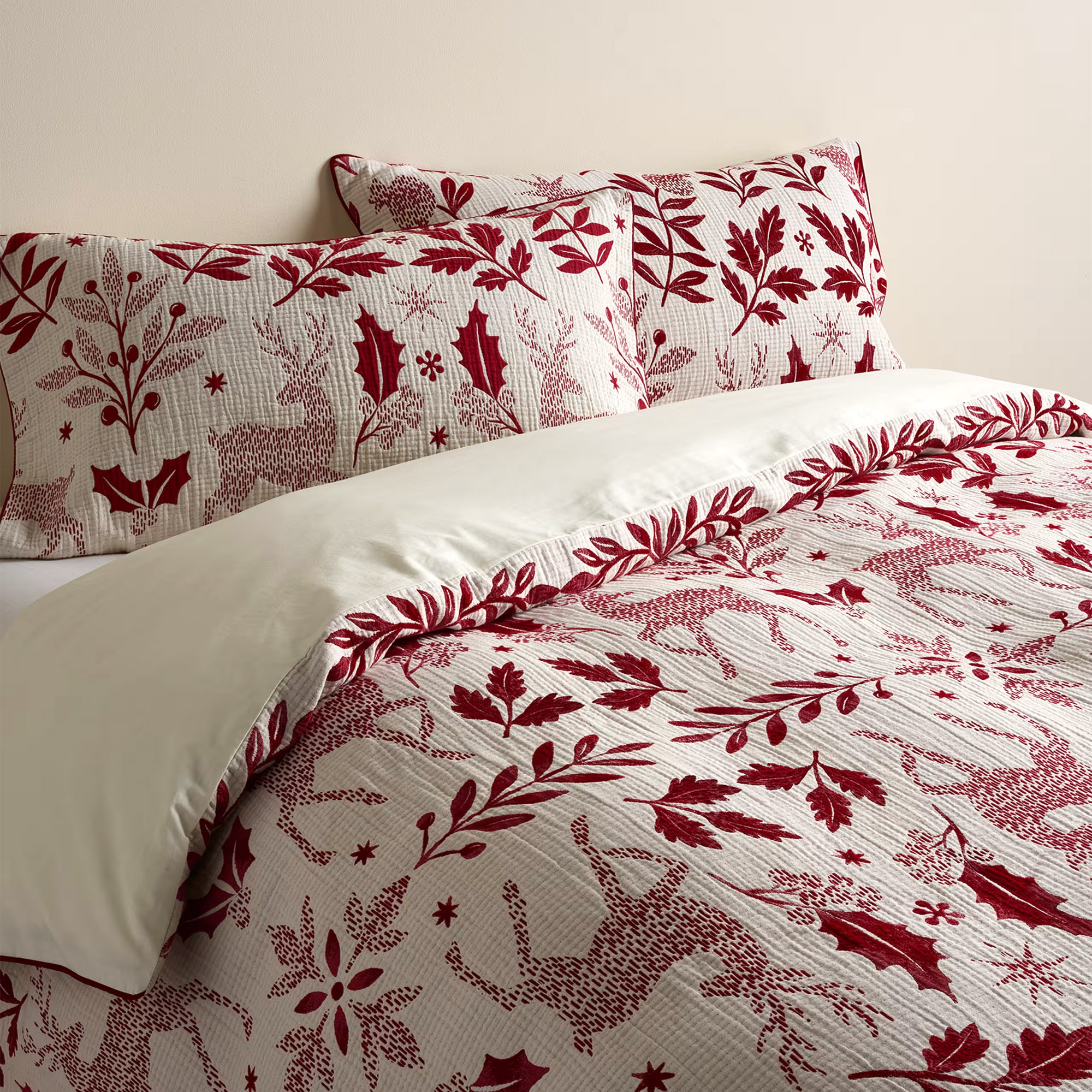 M&S's Christmas bedding collection is a masterclass in tasteful festive decor – I'm not surprised it's already flying off the shelves
Especially when prices start from just £20 for a duvet set
-
 This £30 H&M Christmas kids play tent turns any dining table into a festive hideaway – the Halloween version has already sold out
It's by far the cheapest AND cutest one we've found online
-
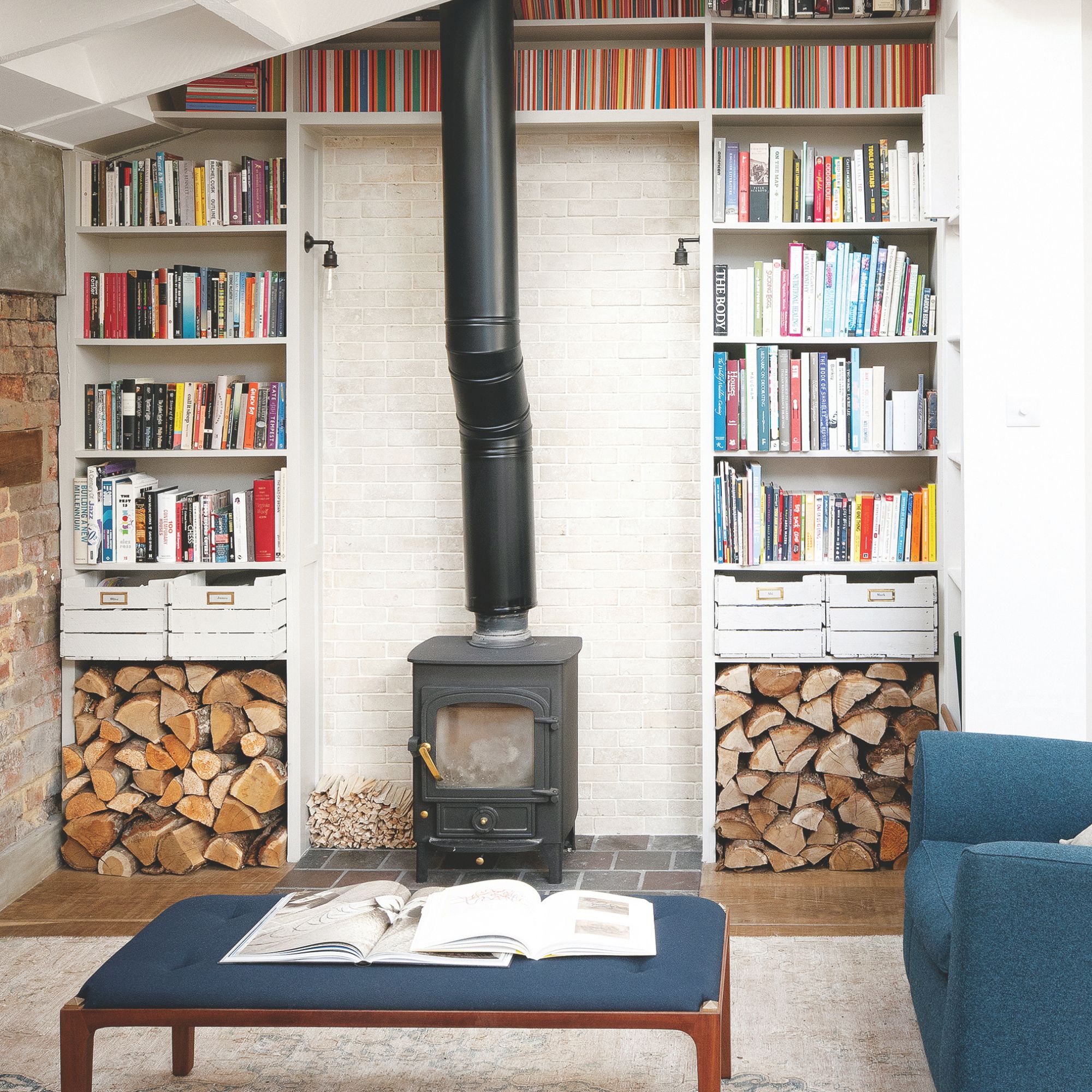 Love the idea of a log burner, but don’t have a chimney? All may not be lost
Here’s how you can still have a log burner in your home, plus the alternatives that may suit you better


