
At a glance
Contrary to the myths homeowners believe about solar panels, they do work effectively in the UK even on cloudy days; they are suitable for most homes; and are a worthwhile investment, allowing you to save and earn money through the Smart Export Guarantee. Installation is also generally straightforward; it does not require planning permission and can be finished within 2 days.
Solar panels are one of the most environmentally-friendly ways to power your home and become less reliant on the National Grid. However, the benefits of generating your own solar energy can often be overshadowed by the number of myths about solar panels in the UK.
Many of us are held back from investing due to misconceptions around the cost, efficiency and whether they’ll actually work in the cloudy British weather. Well, to kick us off, yes, solar panels will work well in the UK - even when it’s cloudy.
To help you decide if solar panels are right for you and your home, we’ve rounded up all the solar panel myths that many UK homeowners believe and the truth behind them.
MYTH: Solar panels only work when it’s sunny outside
It’s a common misconception that solar panels can only work when there's bright sunshine outside. Solar panels need daylight, rather than direct sunlight, to generate energy. They work best when there is more sun reaching them, but they will also work when it’s cloudy or overcast in the daytime.
The reason they can still work is that solar panels absorb energy from a wider range of frequencies than just the light spectrum visible to us, including some wavelengths that can pass through clouds. However, this also means your panels won’t work when something is physically blocking these wavelengths, like a tree or buildings casting a shadow over them.

MYTH: Solar panels won’t work in the UK
The UK might not be the sunniest place in the world, but we do still have enough sunlight for solar panels to work effectively. In fact, the UK receives around 60% of the solar radiation found at the equator.
Most solar generation in the UK typically occurs between spring and early autumn when the days are longer and sunnier, but panels can still contribute electricity throughout the year.
MYTH: Solar panels aren't suitable for my home
Solar panels can be fitted in most homes; while roofs are the preferred place to install them, if yours isn’t suitable because the roof is flat or thatched, there are options to have them installed on a garage or on a pitched frame instead.
The main barrier to suitability is more likely to be the orientation of your roof. Solar panels work best on south-facing roofs and they also work well on east and west-facing roofs, but you will get slightly less power. However, they won’t work efficiently on a north-facing roof.
The other things you will need to consider are:
- The pitch of your roof (it should be between 20° and 50°)
- Where you live (homes in the south typically get more sun)
- The number of panels your roof has space for (typical systems are sized between 6 and 12 panels)
- Whether your roof is shaded
If you buy your solar panels via an energy provider such as E.ON Next, your solar expert will help you establish if your home is suitable. They will ensure the system is right for your home, and will let you know what the expected energy generated will be before installation.
MYTH: Solar panels are too expensive to be worth it
Solar panels and their installation aren’t cheap, but they’re built to last, with most panels coming with a 25-year warranty. A typical solar system can cost around £6,100 to install, according to the Energy Saving Trust; however, this will depend on factors including where you live in the UK, your installer and the panels you want.
If you can afford to pay for your solar panels upfront, the Energy Saving Trust estimates that your solar panels could pay for themselves in 10 years. However, if you take out interest-bearing finance, you can spread the payments for your solar installation over a longer period, but it will take longer for your system to pay back.
A solar installation will not only lower your energy bills by generating electricity from the sun, but if you have a fully certified system, you can also sell any energy you’re unable to use back to the grid with the Smart Export Guarantee. You’ll be saving and earning money at the same time.
You will have to shop around to find the best SEG tariff to sign up to with a mandated SEG licensee. For example, E.ON Next offers a Premium tariff where you’ll receive 17.5p per kWh of electricity you export, on a 12-month fixed-term. This is only available to customers who have had a solar and/or battery installation by E.ON Next from 10/11/2025.

MYTH: Solar installation is a lot of hassle
Solar installation itself is pretty straightforward and can normally be completed within a day or two. You will also need to have scaffolding put up, which can add a few days. Before this, it normally takes between 2-6 weeks for your designs to be completed, your grid applications to be filed and returned, and your equipment and installers to be ordered.
If you’re put off by the idea of managing the grid applications and contractors installing the panels, you can make the process more seamless by going via an energy provider who will usually manage everything for you from the quote through to the installation.
For example, E.ON Next will handle everything from quote to commissioning (including your grid connection applications and setting you up on the best tariff). It works with fully certified solar panel installers to design the best system to work for your home and ensure the installation meets the highest safety and quality standards.
MYTH: It’s difficult to get permission to install solar panels
You normally don’t need planning permission for a solar panel system as they’re considered ‘permitted development’. This means they can be added to a roof or home without planning permission. However, it is always best to double-check with your local planning office first, as some exceptions may apply, such as if your home is a listed building or is in a local conservation area.
There are so many misconceptions around solar panels, but don’t let these myths put you off the considerable benefits they offer.
-
 Le Creuset just dropped its most unlikely limited edition collection ever
These are the pieces I'm predicting will skyrocket in value once the range sells out
-
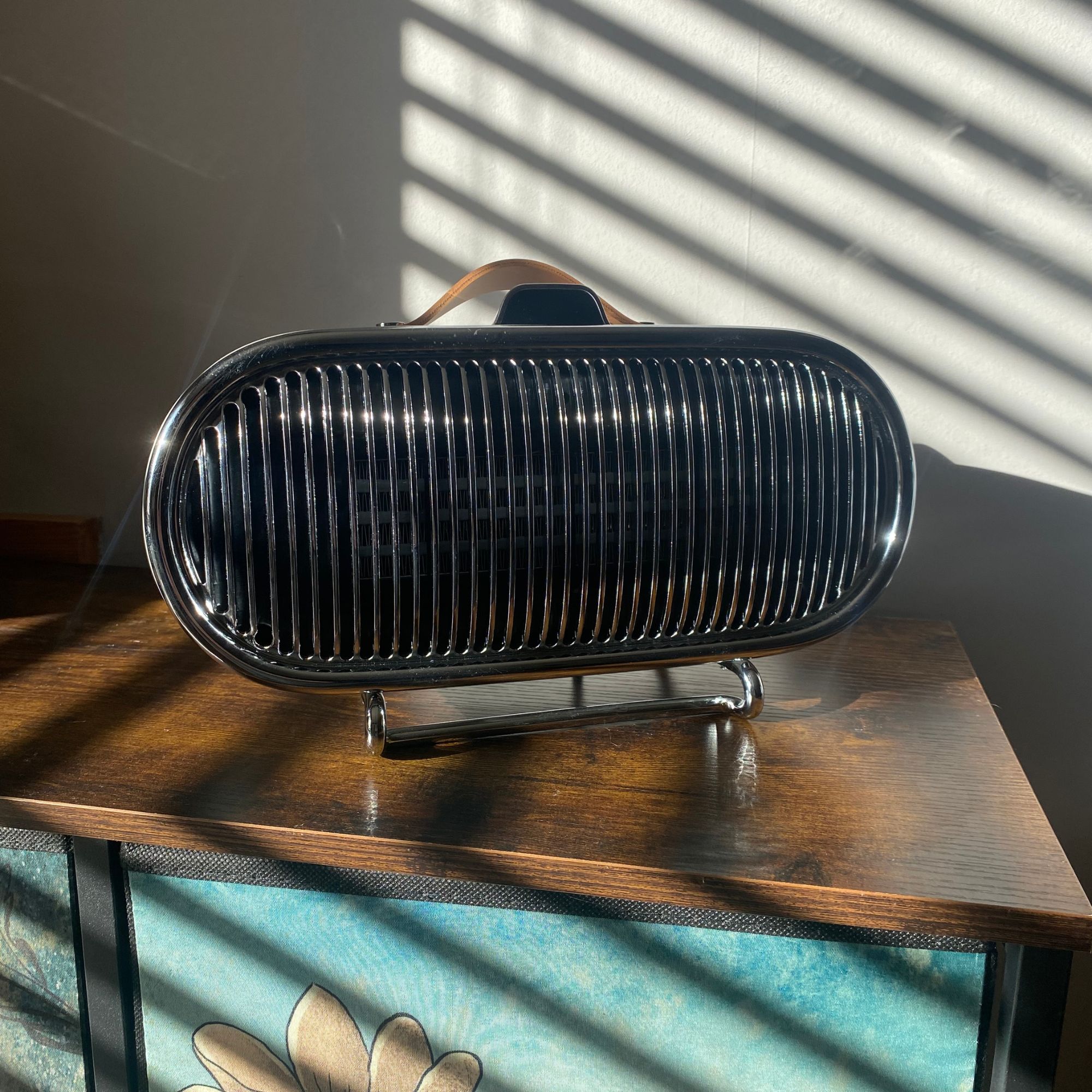 This retro style electric heater has proved to me that these appliances can be stylish
It's under £50 too!
-
 Olivia Attwood reveals the John Lewis bedding she swears by to make getting into bed feel like a luxury hotel experience – our Sleep Editor approves, too
‘I think good quality bedding and a good mattress is such an investment'


