
Throughout my life, I’d often been told that a full fridge and freezer are more efficient than an emptier one. I absorbed this tidbit and have always been strangely panicked when shelves were barer than others and redistributed jars, bottles and packets accordingly. However, recent news to me is that this might actually be making my fridge work harder.
A further issue arose from this terrible system, when I would do my weekly shop, where there was a gap, I would fill it with no real rhyme or reason (aside from keeping meats separate). The problem was, as I’m sure you can expect, food was often out of sight, out of mind, and I was wasting perfectly good food and feeling terrible about it.
So, I recently changed up my fridge organisation tactics with energy efficiency, food freshness and clear storage guidelines in place to see if it could save me money. I spoke to experts to discover the most impactful fridge set-up, and I’ve already noticed a huge saving.
Start with a fridge reset and audit
The first thing I did was empty the fridge and freezer in their entirety and begin defrosting the freezer. When a layer of ice builds up around the walls of the freezer, it becomes less efficient as it creates a barrier between the cooling elements and the things you want cold. According to Eon, this job alone could save £15-30 in annual savings.
While the fridge was unplugged, as well as cleaning inside the fridge, I also cleaned down the condenser coils running at the back of the appliance. This will reset the fridge’s temperature to its most efficient - while my fridge isn’t necessarily old, it’s a good habit to get into when you have access.

After throwing away all of the off, mouldy or past-expiry items from my fridge, it was much more manageable to sort through and organise.
‘A fridge is at its most efficient when it can hold a steady internal temperature without working harder than necessary to compensate for warm spots or restricted airflow,’ explains Richards Davonport, founder of Davonport Kitchens.
‘Packing it completely can make the motor run for longer because cold air cannot circulate around jars, trays and containers, but leaving large areas empty is not ideal either, as every time the door opens, the fridge has to cool a greater volume of warm air. The aim is a balanced load: enough items to help stabilise the temperature, but with space around them so the chilled air can move freely.’
‘Temperature accuracy matters, too,’ he continues. ‘Setting the fridge at around 4°C keeps most foods safe without placing additional strain on the appliance. If your fridge has a holiday or eco mode, it can hold a stable temperature with reduced energy use when the door is opened less often.’
Organising with purpose in mind
One tactic I have learned is to organise a fridge by purpose and use. For me, if I can’t see it, I won’t remember it exists, so things that need using should be front and centre to minimise food wastage.
‘Organisation plays a key part,’ agrees Richard. ‘Keeping frequently used items near the front reduces the amount of time the door is open, and storing foods in transparent containers makes it easier to see what is already there. This helps you use ingredients in good time rather than forgetting about them at the back.’
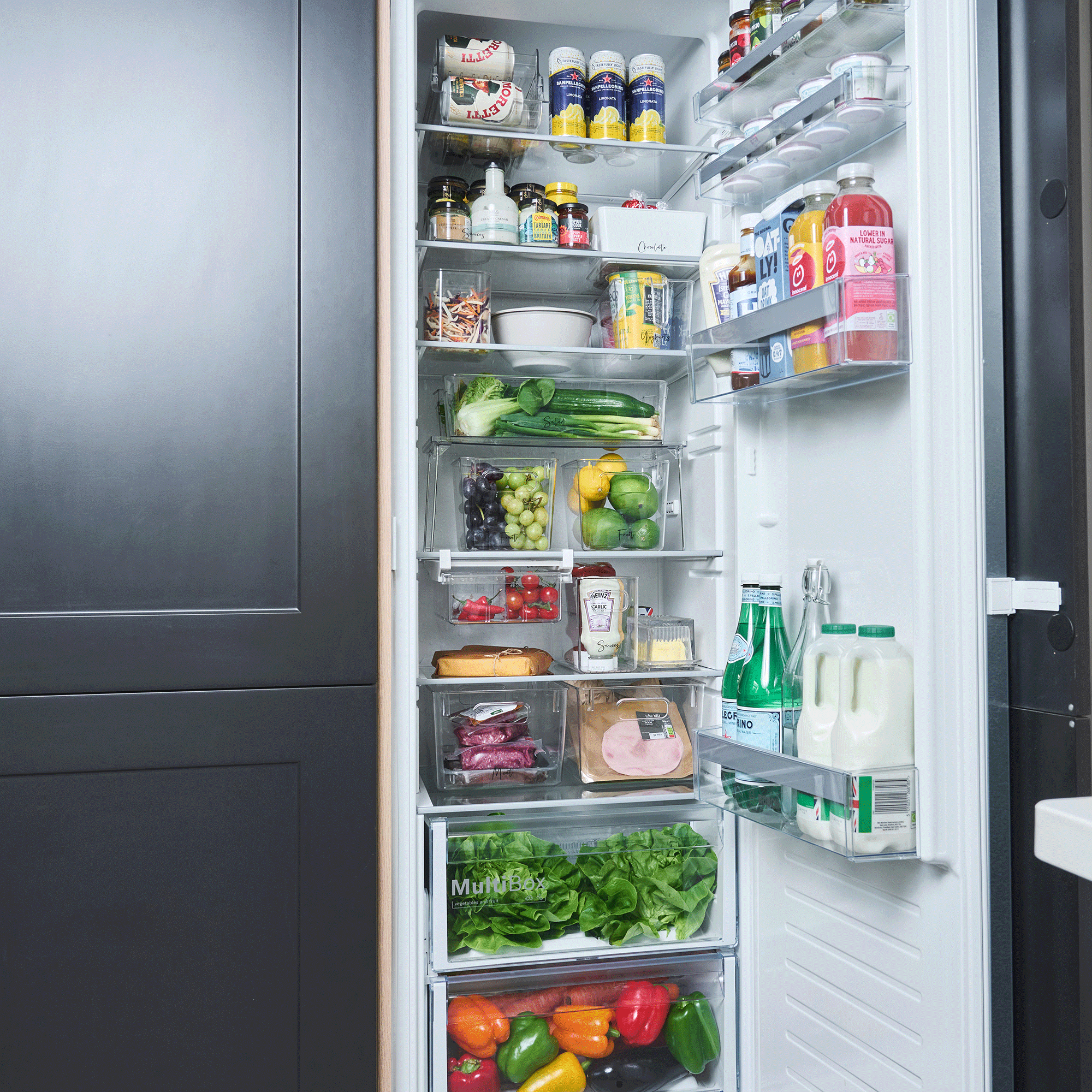
In the first instance, I’m dedicating an entire shelf to foods that need to be eaten this week. This includes egg whites in a bowl, half a block of feta, an open pot of hummus, a portion of pasta leftovers, blackberries and some on-the-turn spinach. Although these foods aren’t grouped in ‘type’, knowing they’re at eye level means I’m more likely to use them up and not waste them.
I’ve also sacked off having a wine shelf using that dimpled clear section that comes with fridges. That’s now condiments central.
I identified that one of our major problems was hunting in the fridge for mayo or (controversially in the fridge) ketchup, often pushing other foods around to grab them. Inevitably, this would mean jars, tubs and food containers that need to be used soon would migrate to the back. We also have dedicated dairy and meat shelves, so you know exactly where to look when searching for creme fraiche or bacon.
Maximising freshness for longevity
‘Using the sections of the fridge as they were designed also improves both efficiency and food longevity,’ advises Richard Davonport. ‘The colder rear shelves are suited to raw ingredients such as dairy and meat, while the salad drawers maintain higher humidity so vegetables stay fresh for longer.’

My fridge just comes with a single large crisper drawer, but if you have two small ones with a vent you can choose the humidity setting. Sort vegetables into things that rot (peppers, courgettes, aubergines) and things that wilt (fresh salad and spinach) into the open vent and closed vent, respectively.
Prioritising energy and waste efficiency
While I largely follow Richard’s advice about correct fridge usage, I do move vegetables and salads to my ‘use it now’ shelf when I’ve used half, or if they won’t last another week. The amount of spinach and salad leaves I no longer throw away is wonderful.

‘Small habits help minimise waste,’ he adds. ‘Moving older items towards the front so they are used first reduces the chance of food being overlooked, and keeping shelves clean and dry prevents moisture build-up around packaging. Planning weekly meals with what is already in the fridge often cuts down on duplicate purchases, and it keeps the internal temperature steadier because the contents remain more consistent across the week.’
'A fuller fridge would generally be considered more energy efficient,' comments Caner Duran, cooling expert at Bosch Home Appliances. 'The goods inside act like thermal sponges, holding the cold air, meaning less energy is needed to cool the air inside the cavity. However, overfilling the fridge is not advised as this would most likely negatively impact the efficiency.'
Fridge organisation essentials


