This common airflow mistake could be causing damp patches behind your furniture, experts warn
And these quick fixes will help stop damp forming behind sofas and furniture


If you've ever shifted a sofa or wardrobe and discovered a cold, damp patch hiding behind it (complete with musty smell), it's rarely down to a mystery leak.
In most homes, the hidden cause is poor air circulation, according to experts, especially when bulky furniture is pushed tight against a cold exterior wall where moisture builds up out of sight.
Once I started looking into how to get rid of damp on walls properly, rather than just wiping it away, it quickly became clear that improving airflow and controlling the humidity is key, which is where the best dehumidifiers can make a huge difference in stopping condensation from forming behind furniture in the first place.
I asked the experts for a few simple changes that usually stop damp patches from coming back for good.
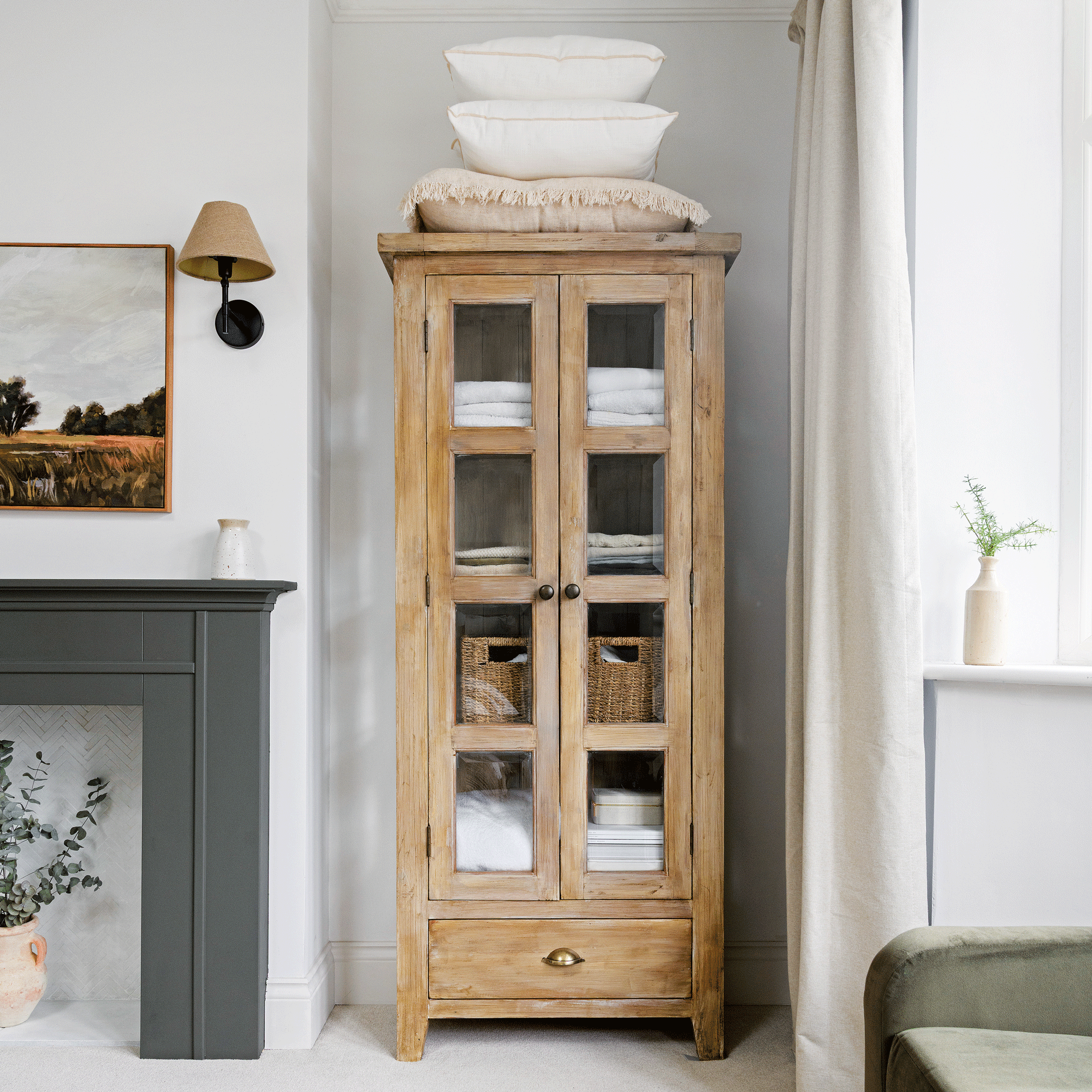
What causes damp patches behind furniture?
Jimmy Englezos, Ronseal's Senior Brand Manager, explains that unless your home has experienced a leak somewhere, damp patches are usually caused by moist, warm air hitting a colder surface and condensing into water.
'If a room lacks ventilation, any moisture from tasks like showering, cooking, or drying wet clothing cannot escape and can settle onto colder external walls,' explains Jimmy.
When furniture is pushed up against a wall, moisture is unable to evaporate and becomes trapped, he adds. If these patches are unable to dry out fully, they can result in mould growth, which not only looks ugly but, if not treated properly, can have a serious impact on your health.
'If damp is forming behind your furniture, first make sure the cause isn’t something else, such as leaky pipes, rising damp in lower-level floors, or rain entering through crevices, damaged roofs and windows,' he advises.
And if all this has been ruled out, these are the ways you can easily fix the damp patches behind furniture.

Jimmy is the senior brand manager at Ronseal. He regularly provides insights and guidance on the correct way to prepare wood for treatment, as well as handy tips and hints for general home improvement projects.
How to fix damp behind furniture

1. Move furniture away from the wall
When furniture sits flush against cold walls, warm, moist air gets trapped with nowhere to escape. Over time, that moisture condenses on the wall surface, and damp patches appear.
'Keeping furniture, like sofas and cupboards, away from walls can significantly improve the air flow in these areas, effectively removing moisture and therefore preventing damp build-up,' explains AO's small appliances expert Katie Lilywhite.
Pull sofas, wardrobes and bookcases five to ten centimetres away from walls, focusing especially on furniture on external walls and corners.
Chris Michael, Meaco's Chief Product Officer, agrees: 'always have a gap between the back of the furniture and the wall so that air can circulate between them.'
Another good idea is to choose furniture with legs rather than solid backs where possible.

AO's latest addition is Katie, a key expert at a multitude of appliances, including dehumidifiers, portable air conditioners, fans and air purifiers.

2. Use a dehumidifier to control moisture build-up
Poor circulation lets humidity rise, especially in winter. A dehumidifier will help remove excess moisture before it can settle on cold walls.
Katie recommends placing a dehumidifier in the centre of the room, 'which draws in the humid air, removing moisture and therefore preventing damp build-up behind the furniture,' she explains.
In our home, this made the biggest long-term difference in our home.

Chris founded leading dehumidifier manufacturer Meaco and has been advising on humidity solutions and dehumidifiers since 1991 and is well-known within the dehumidifier industry across the world as a leader in innovation and sustainability. With a wealth of experience in the industry, Chris is committed to helping provide low-energy and low-noise solutions appliances that improve the lives of customers.
The best dehumidifiers we've tested

From a 10L to a 25L model, Meaco's Arete Two comes in a variety of sizes to suit a typical UK three-bedroom house.

This 12L dehumidifier is great for smaller rooms. It's also affordable, quiet, portable, and has a built-in carbon filter to remove musty odours.

We rated this ProBreeze as the best high-capacity dehumidifier in our guide, extracting up to 30L of moisture from the air per day.
3. Wipe down condensation
If you can see moisture sitting on walls or windows, particularly first thing in the morning during colder months, it's already contributing to damp patches behind furniture.
If you leave it there, those tiny water droplets soak into the plaster and paint, creating the perfect conditions for damp and mould to take hold.
Katie advises that if you see condensation in these areas, wipe it off with a cloth,' she explains. 'This removes it before it turns to damp and mould.'

For rooms where moisture is inevitable, such as the kitchen or bathroom, Jimmy recommends applying an anti-condensation paint, like Ronseal's, £18.75 from Amazon, to the walls, which will add an extra layer of insulation and put a stop to condensation building up in the first place.
'Once the cause of damp has been identified and the patch has been allowed to fully dry out, any visible marks left can be covered up using a damp seal, £10.99 from Amazon. This ensures the stain is fully sealed and can be decorated over,' adds Jimmy.

4. Open windows
Ventilation is one of the simplest yet most powerful tools for preventing damp behind furniture. Fresh air allows moist indoor air to escape instead of becoming trapped against cold walls, where it turns into condensation.
Katie explains that opening the windows in the room for short periods in the day can significantly improve air flow in the affected areas, reducing moisture and damp build-up in enclosed spaces. Jimmy adds that keeping the window open a couple of centimetres can be sufficient to prevent build-up.
'Even if you’re not using a room for activities that create condensation, it’s best to allow for ventilation anyway, either by making sure the window is opened at least once a day or by keeping it on a latch and ensuring internal doors are kept open to allow airflow,' explains Jimmy.
Opening windows for even just ten minutes in the morning and evening is often enough to refresh the air without making the rooms cold. It's especially important after showers, cooking and drying laundry indoors, when moisture levels spike.
Hidden damp patches behind furniture are almost always caused by trapped moist air meeting cold walls, rather than serious leaks or structural issues.
Once you improve air circulation, control the humidity and stop condensation from settling on surfaces, it should help prevent damp patches from getting any worse.
And your secret weapon will be a dehumidifier. If you haven't got one yet, take a look at our guide to choosing a new dehumidifier to get the right one for your home.
