This popular potted plant drainage hack is doing more harm than good to your plants, experts warn
Just because it's popular, doesn't mean it's a good idea...


Garden experts are reminding gardeners not to put broken crockery, gravel or rocks in the bottom of their planters, as this popular garden hack can actually do more harm than good to your potted plants.
While you may have heard the opposite, this well-known gardening hack could be damaging your pot plants, and it is a garden mistake best avoided completely.
The hack originally started as a piece of advice to help with drainage in potted plants, but experts warn it can have the opposite effect of its intended purpose, resulting in waterlogged plants. This is everything you need to know.
The warning
Gardeners in the UK are no strangers to learning how to improve a garden’s drainage. We are famous for having plenty of rain, after all. However, not all drainage advice is helpful.

The hack consists of placing pieces of broken crockery, rocks or gravel in the base of a planter to help with drainage. However, this can actually have a detrimental effect on your pot’s drainage, as these broken pieces can create a blockage.
‘The gravel or crockery pieces can make the soil stay wetter for longer, due to the perched water table effect. Water moves well through soil, but a gravel layer below the soil can stop this. If the water cannot move, it will begin to collect and create a barrier, as the water will only move down into the gravel layer when the soil is fully saturated and cannot hold any more. This can mean that water remains near plant roots, potentially leading to root rot,’ explains Richard Barker, a horticultural expert and commercial director of LBS Horticulture.
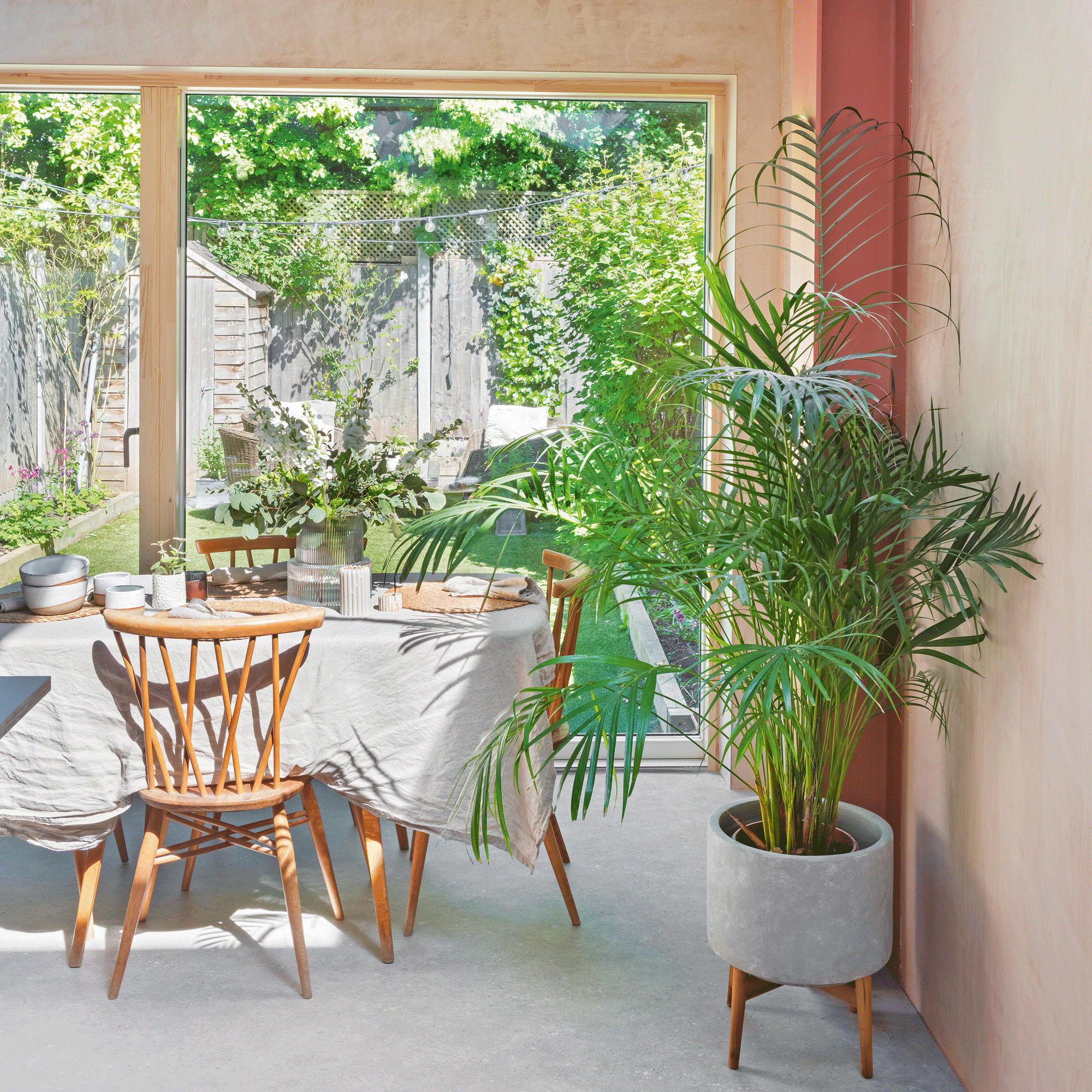
Not only does it reduce drainage in your pots, but adding extra pieces of rock, crockery and gravel can add extra weight and take up precious soil space.
'With limited compost within a plant pot, your plants already struggle to get sufficient nutrients to keep them healthy and rely on you to provide additional feed to keep them topped up with nutrients. So by adding gravel or pieces of crockery, you are actually making this situation far worse,’ says Lucie Bradley, gardening and greenhouse expert at Easy Garden Irrigation.
‘Reduced depth in a pot also means that plants have restricted space to produce the healthy root system they need to feed them with water, oxygen and nutrients. This means vigorous growers will become pot-bound sooner when the bottom section of the pot is filled with gravel, and rather than growing deep into the compost, they are forced into being shorter or spiralling around the inside of the pot. These shorter roots will result in stunted growth and will make the plants less stable. It can also mean you need to repot your plants sooner than normal.’
What to do instead
The main thing you should ensure is that you are using high-quality potting soil that has good drainage.

‘Always ensure that the compost you use when planting up pots is a good quality, peat-free multi-purpose compost, and to ensure it has good drainage, add either perlite or horticultural grit, so you have a mix of 75% compost and 25% perlite/grit,’ says Lucie.
She also recommends investing in pot feet, or even drilling more holes into the base of your pot to help with drainage.
‘When choosing a pot for your plant, it is vital that you select a pot with drainage holes. If you intend to use a container that does not have any, you can add them yourself by drilling into the bottom of the pot. If you are worried that soil will escape through drainage holes, cover them with a mesh layer or a paper coffee filter,’ Richard agrees.
‘Potting mix can become compacted over time, causing water to drain much more slowly. If you notice plants suffering from poor drainage, repot them into fresh soil.’

Plant feet elevate your pots to improve drainage, prevent waterlogging and help air circulate.

Perlite is a naturally occurring material that can be added to your potting mix to improve drainage.

It's really important to opt for high-quality potting soil is vital to give your plants the best chance at success.
This common hack is well-known and plenty recommended. But remember, there are many better ways to achieve drainage in your potted plants.
