5 things people with tidy open plan kitchens always do when designing their cooking space – expert-approved tips to discourage clutter
A tidy space starts with a clever design

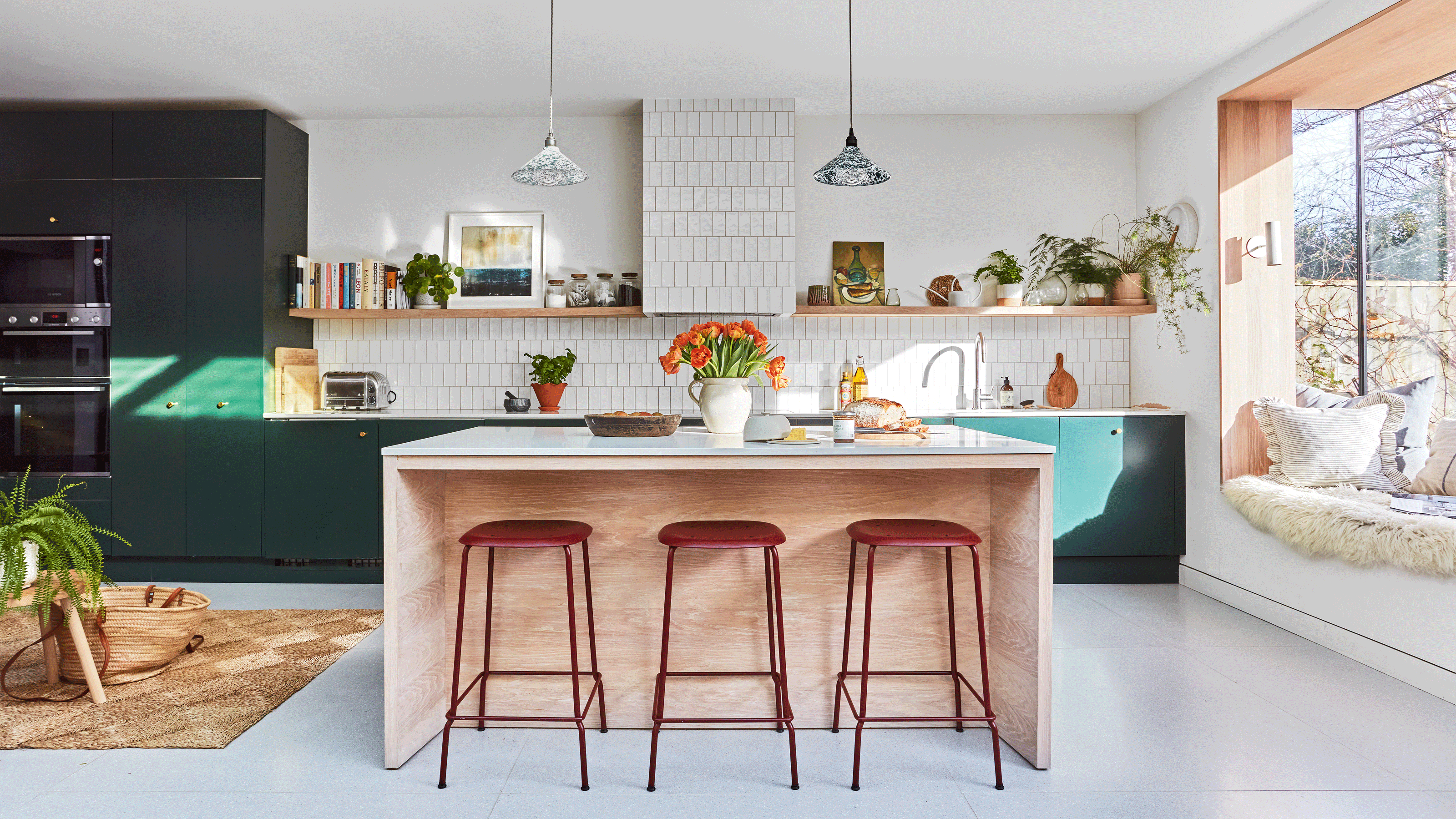
Designing an open-plan kitchen has its challenges. From figuring out where to position seating to ensuring you have enough storage, but one of the toughest aspects, long after the design is done, is keeping it tidy.
Decluttering experts have plenty of advice on how to keep an open plan kitchen tidy, and so much of it comes down to adequate, well-thought-out kitchen storage ideas, alongside good daily habits. However, I believe that an open plan kitchen that actually stays tidy comes down to the foundations of the design.
I spoke to a handful of kitchen experts to suss out exactly how to design an open plan kitchen that keeps 'tidy' at its core. This is what they had to say.
1. Conceal everything

Perhaps the easiest way to encourage tidiness in an open plan kitchen is by keeping everything hidden in drawers and cupboards. This goes for general everyday clutter (hello, junk drawer) to your small appliances - hide it all away.
'In open-plan layouts, visual order is determined by planning rather than discipline, so the cabinetry has to do the work that loose storage once handled. We approach these kitchens as pieces of fitted furniture within a living room, which means concealing preparation rather than simply organising it,' explains Richard Davonport, managing director at Davonport.
'Full-height cupboards, pocket doors and internal drawers allow everyday items to disappear completely, while appliance garages ensure frequently used equipment can be accessed and returned in one movement rather than being left out by default.'
2. Reduce visual lines

Creating a tidy open plan kitchen isn't just about tidying away clutter, it starts from the very foundation of your design. Reducing visual lines through worktop and cabinet continuity is the key to making any open plan space look neat.
'Surface continuity also matters because the eye reacts to contrast before clutter. Carrying the same material from worktop into splashback and reducing the number of junctions prevents the room fragmenting visually, so even when the kitchen is being used it still reads as composed from the seating area,' Richard continues.
'Sinks are often moved away from islands for this reason, as washing-up creates movement and visual noise, whereas the island can behave more like a table or sideboard within the room. When the architecture removes reasons for objects to accumulate, tidiness becomes the natural state rather than a daily task.'
3. Design as a living space, not a kitchen
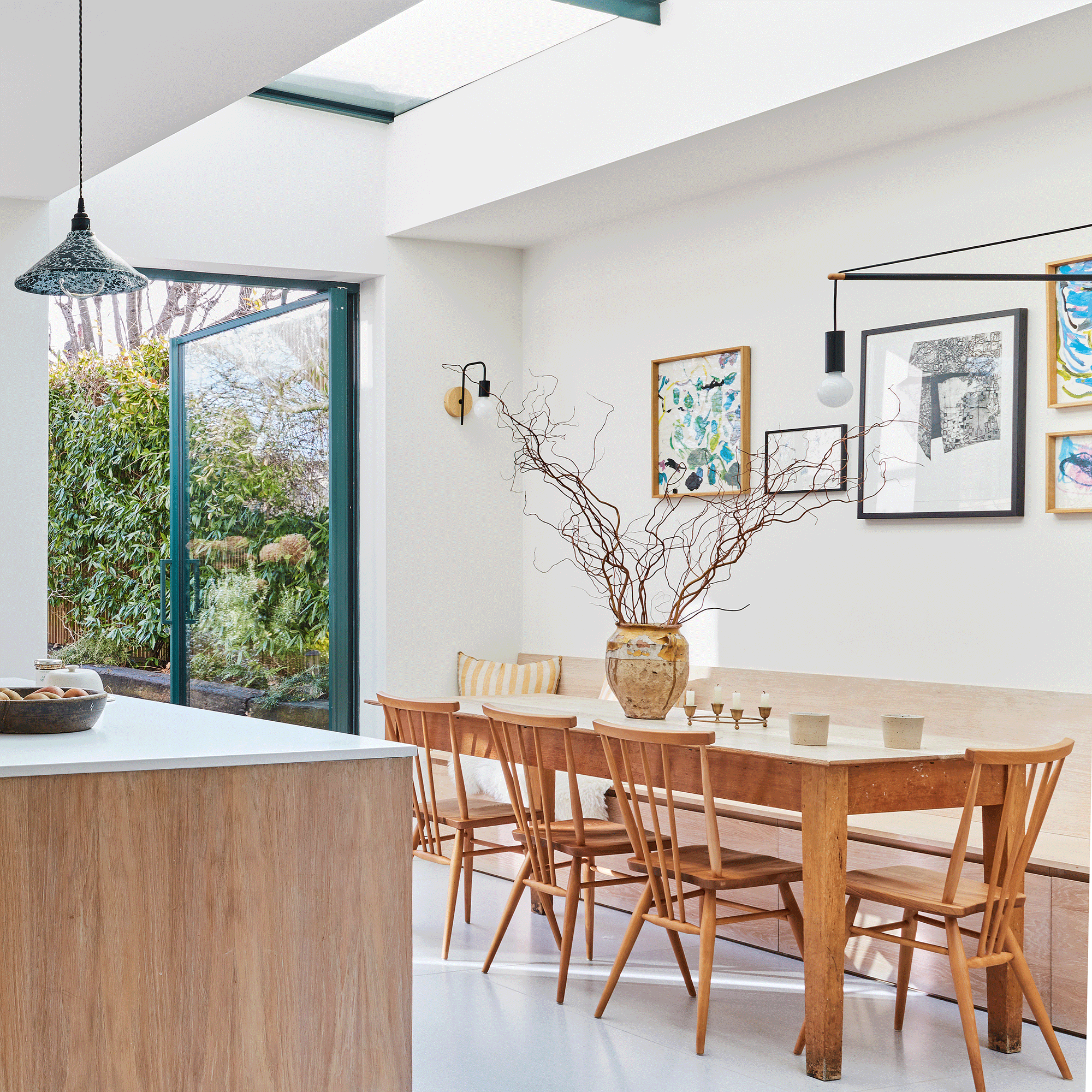
Designing with the mindset of a living space, rather than a kitchen, feels a little counterintuitive, but hear me out. An open plan kitchen is a space largely used for socialising and relaxing, so design with the aim of making the kitchen look tidy from those vantage points.
'The best examples also stop presenting themselves as kitchens at all. Islands are detailed more like furniture, appliances are integrated, and sometimes entire working runs sit behind pocket or full-height doors. Because the room forms part of a wider living environment, the planning is approached from the seating area rather than the preparation area, with functional clutter deliberately positioned outside the primary sightline so the space maintains composure while in use,' adds Charlotte Butler, kitchen design manager at BK Eleven.
4. Including freestanding furniture

Built-in storage is essential in a kitchen to ensure everything has it's dedicated home, but freestanding furniture will add even more order to an open plan space.
'By opting for standalone furniture alongside built-in cupboards, you can break up the space while injecting character into your kitchen. A locker is a particularly versatile addition. It can move and adapt as life and style change, while introducing a considered pop of colour into an open-plan scheme,' says Becca Stern, co-founder and creative director of Mustard Made.
'Beyond the design impact, it provides a practical home for everyday items that might otherwise end up cluttering worktops. For a nice addition, adding baskets into the locker can help keep things organised and easy to find,' Becca adds.

These lockers from Mustard Made add the perfect pop of colour and the frosted glass allows decorative crockery to shine through.

This utility storage cupboard is perfect if you don't have a separate utility space - it has dedicated slots for everything you need.

Want an island but don't have the room? This compact butchers block is the ultimate solution.
5. Simplify the scheme
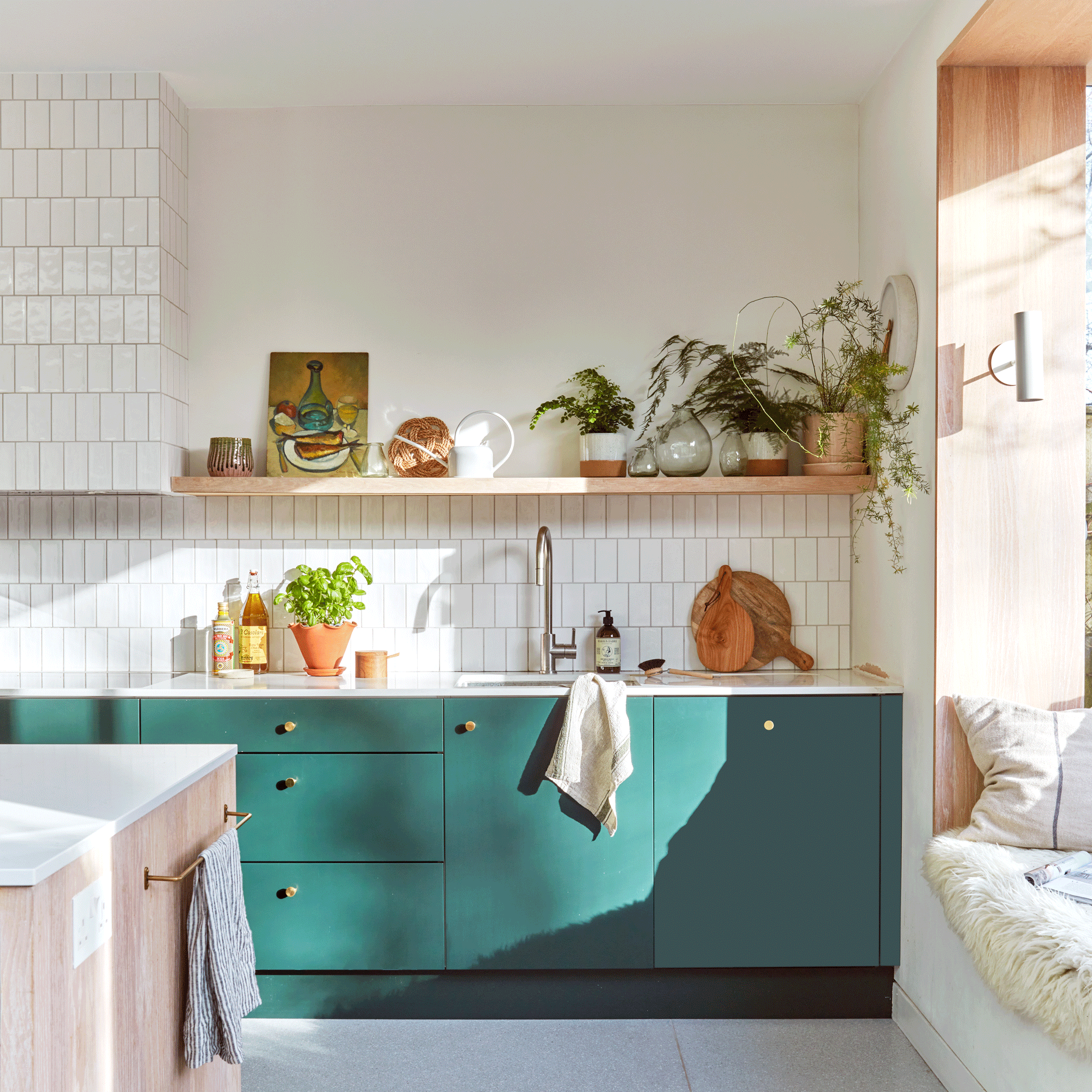
As I mentioned before, creating a tidy open plan space isn't just about your daily habits but more so, the design foundations.
'Practical choices reinforce the effect of a tidy open plan kitchen. Worktops are simplified to a single sink and a single hob, with downdraft extraction reducing overhead elements, and boiling-water taps removing the need for kettles,' Charlotte from BK Eleven adds.
Smart cooking tech like the best boiling water taps are one of the best decisions you could make for a clutter-free open plan kitchen.
'Fixed, built-in fixtures appear intentional, while portable appliances read as temporary and therefore untidy even when clean. Replacing the kettle with an integrated tap keeps the working surface clear and allows the area around the sink to remain part of the furniture composition rather than a practical corner, which helps the whole room maintain order throughout the day rather than only after it has been cleared,' adds Michael Sammon, design director at Wodar.
While everyday cleaning habits certainly make a kitchen remain tidy, this is always more difficult if the design doesn't work in your favour. Including these clutter-free design principles when planning your space will encourage a clean and neat space.
