Don’t bin your pine needles this winter – 3 ways to reuse dropped Christmas tree needles in your garden
Christmas tree shedding quicker than you can say, 'O Tannenbaum'? Here's how to put those pine needles to good use

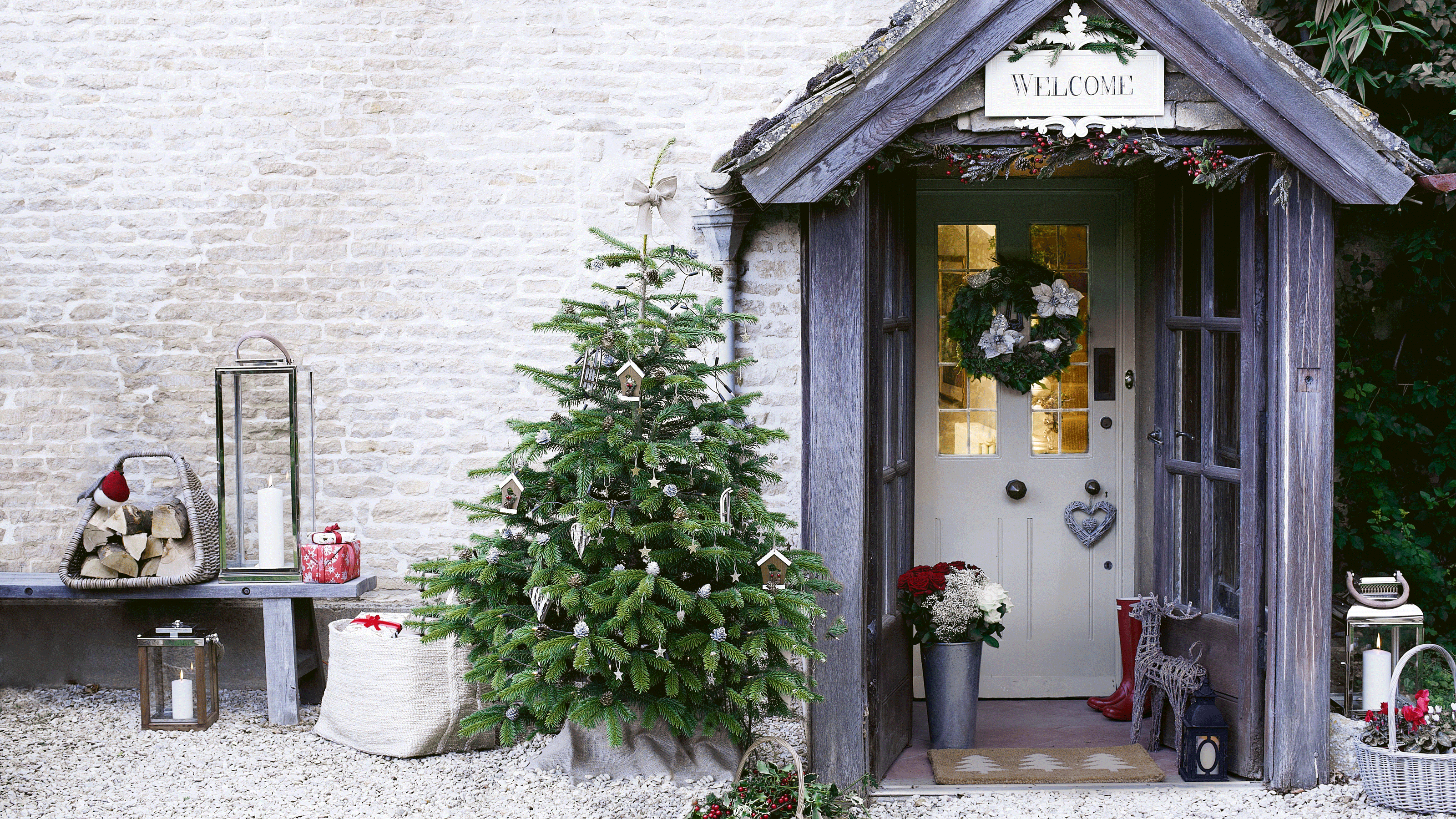
You say tomato, I say tomato. You say bin your pine needles, I say don’t you dare! Whether it’s blanketing paths and borders, or a Christmas tree dropping its needles all over your living room, that instinct? The one to pull out the broom and green waste bin? It means you’re missing out on a major garden hack.
Oh yes, I'm deadly serious. So, before you consign every last pine needle from your garden or your Christmas tree to the compost pile, consider this: all of that messy debris is actually a hidden treasure. In fact, those same needles that carpet your floor or line your borders can benefit your garden and the wildlife that calls it home.
Sure, they don’t rot down quickly like fallen leaves, and they can be slippery or stubborn underfoot. But it's actually that same slow decomposition, combined with their structure and natural acidity, which makes them so valuable.

Whether they're left in place or used strategically around your garden, pine needles – even those from your post-Christmas tree – can improve clay soil, help wildlife garden ideas, and reduce the need for purchased mulches. Win!
1. Provide a lifeline for wildlife

Don't bin your pine needles! Morris Hankinson, director of Hopes Grove Nurseries, says that 'pine needles create excellent shelter for wildlife such as hedgehogs, frogs, beetles and spiders, allowing them to hide from predators and stay warm'.

Morris Hankinson is the founder and managing director of Hopes Grove Nurseries Ltd, the UK’s only specialist grower-retailer of hedging plants. He established the thriving business in 1992, shortly after graduating with a Commercial Horticulture Degree from Writtle College, Essex.
Morris goes on to explain that, when piled loosely under shrubs, hedges, or in quiet corners, pine needles form insulating layers full of tiny air pockets. These trap warmth and protect creatures from frost and heavy rain, not to mention create habitats for beetles, spiders, frogs, and other valuable minibeasts.
Birds, too, also make use of pine needles, often collecting them in late winter and early spring for nest-building.
Leaving needles where they fall rather than stripping the garden bare, then, creates a more forgiving environment at a time of year when wildlife needs it most.
2. Turn into mulch
Beyond their wildlife benefits, pine needles are one of the most underrated mulching materials available to gardeners.
'Pine needles can continue to do a job even when they’re not on the tree,' says Morris. 'They can be spread under shrubs, trees, or along garden borders where they act as a natural mulch, helping retain moisture, suppress weeds and protect soil from erosion.'
This is especially useful in winter, when heavy rain can compact bare soil and wash nutrients away. A layer of pine needles cushions the surface, reducing splash-back onto plants and helping soil structure remain intact. Then, as they slowly break down, they add organic matter, improving drainage and soil health over time. Yet another reason not to bin your pine needles.
3. Keep plants looking neat

One of the reasons pine needles are so useful is their stability. Unlike lighter organic mulches, they interlock as they settle, meaning they don’t blow away easily in winter winds.
'Unlike some organic materials, pine needles don’t blow away easily and they decompose slowly,' says Morris. 'This makes them a long-lasting and low-maintenance option for gardeners looking for a mulch that also looks neat.'
Steven Bell, gardening enthusiast and founder of Paving Shopper, agrees wholeheartedly, even going so far as to describe pine needles as a 'garden secret weapon.'

Steven Bell is an experienced landscaper, with years of experience owning paving and gardening companies. Combining hands-on expertise with a deep appreciation for sustainable landscaping practices, Steven enjoys sharing his insights with readers to inspire their own green-thumb adventures.
Steven says that the slow breakdown of pine needles, while often seen as a downside, is actually what makes them so effective.
'Over time, they knit together into a surprisingly cohesive layer, making them ideal for informal paths, muddy patches, slopes prone to runoff, or areas under trees where grass struggles to grow,' he says.
They also lend a soft, woodland feel to a garden – natural rather than messy – especially when used deliberately rather than scattered randomly.
How to collect pine needles from Christmas tree
You shouldn't vacuum up pine needles from your Christmas tree, especially if you want to use them in the garden. Instead try one of these handy brushes.

This brush with rubber bristles is designed for pet hair, but is also super handy and gathering up all those tiny pine needles.

This clever dustpan and brush has a double-sided brush with squeegee and bristles to help you scoop up each and every pine needle, even on carpet.
FAQs
Can you compost pine needles?
Yes, pine needles can be composted, but they need a lot of patience.
'Because they’re high in carbon, they work best when mixed with plenty of green material like grass clippings or vegetable peelings,' explains Steven Bell from Paving Shopper.
'Shredding them first helps, but even whole needles will break down eventually. Think of them as the slow-cooked stew of the compost world: worth the wait.'
Should you clean up pine needles?
A lot of people think you should clean up pine needles, but nothing could be further from the truth. 'By leaving pine needles where they fall, or moving them to where they’re useful, garden waste is reduced which is one way to support biodiversity and sustainability at home,' says Morris Hankinson of Hopes Grove Nurseries.
Don't bin your pine needles this winter, then. Instead, resist the urge to sweep your garden spotless. By leaving plenty of needles under shrubs, in a quiet corner, or across borders and paths, your soil will stay healthier, your garden will feel more natural, and local wildlife will move in almost immediately.
Not bad for something you were about to throw away, eh?
