
At a glance
Solar panels are a long-term investment allowing homeowners to generate their own electricity, reducing dependence on the National Grid and lowering energy bills. You can buy solar panels from an installer or an energy supplier; costs typically start at £4,995 to install and are suitable for most homes.
Across the UK, there are now more than 1.6 million homes with solar panels. Increasingly, homeowners are turning to them as a way to take control of their energy bills and reduce energy costs.
However, solar panels are a long-term investment that can take around 10 years to break even, according to the Energy Saving Trust, and not every home is right for them. These are all the factors you need to consider before installing solar panels, from understanding how much energy they can actually save you, to whether your roof is suitable, and the best way to go about buying them.
Will solar panels help save on your energy bills?
Yes, solar panels will save on your electricity bills from Day 1. Solar panels allow homes to generate their own electricity, so not only will you be using less of it, but you’ll be reducing your reliance on the National Grid and will be less susceptible to market price swings.
According to the Energy Saving Trust, a typical household in London that is home all day can save between £590 and £650 annually. However, how much you can save will depend on several factors, including:
- How much solar electricity are you able to use yourself
- How much you get paid for selling any electricity you don’t use back to the grid
- How big your roof is, which direction it faces, and how much it’s shaded.
You can also decide to include a battery when installing solar panels. While this comes with a higher upfront cost, it allows households to store their self-generated energy and can help bring down bills even further.

Is my roof suitable for solar panels?
Your roof should be suitable for solar panels if it faces south, east or west and the pitch is between 20 and 50 degrees. An unshaded south-facing roof is best for maximum performance. Unfortunately, north-facing roofs are less suited to solar panels as they don’t receive as much sunlight and won’t be as efficient.
You will also need to consider the available space on your roof and your household's electricity usage to determine whether solar panels are suitable for your home. The more energy your home uses, the bigger your potential savings. As a guideline from the Energy Saving Trust the average solar panel system in the UK is around 3.5 kilowatt peak, and this typically covers between 10 to 15m2 of roof area using about 8 modern panels.
However, you don’t need to worry about working out for yourself how many solar panels you need. If you choose to buy your solar panels via an energy provider like E.ON Next, they will handle the professional assessment and installation, ensuring the system is correctly sized and set up for your home.
How do you buy solar panels - and does E.ON Next make things easier?
There are two ways to go about buying and installing solar panels: you can use an installer or go through your energy supplier. If you go with an installer, you will need to do your research on the installer’s credibility, register your panels once installed for an MCS certificate and then sign up for Smart Expert Guarantee payments with an energy supplier.
If that sounds overwhelming, you might be better suited to going via your energy supplier, who will usually handle everything from the design to setting up the scaffolding needed for the installation, and they will look after registering everything, including your all-important MCS certificate. E.ON Next also offers a fully trained solar and battery support team to help with any queries after the installation. It is a turnkey process if you’d rather not manage contractors yourself.

How much does it cost to install solar panels from E.ON Next?
The costs to install a 6 solar panel system start from £4,995, and for a 12 solar panel system from £6,495, according to E.ON Next. However, prices will vary depending on your system, installer and location. Batteries can be added for a relatively small additional cost to further increase your potential bill savings.
You can get a more specific quote for solar panels and batteries online with E.ON Next. As part of this quote, they will then recommend the number of solar panels, as well as the battery and tariff to help make the most of your system, and will handle the design and installation.
Currently, there are no dedicated solar grants from the UK government. But you might be able to get some funding help for your solar panels via another government scheme, such as the Warm Homes: Local Grant in England. It is also worth checking what support your energy provider can offer. For example, E.ON Next offers a £200 solar and battery discount to existing customers using code SOLAR200. They also offer flexible payment options, including paying in full, in three instalments, or spreading the payments out over three years.

Bottom line - are solar panels a good long-term investment?
The Energy Saving Trust estimates that it will take a decade for the initial investment in solar panels to pay off, depending on how much energy you use and sell back to the grid. They are a long-term investment, but they are a good one. Solar panels are low-maintenance pieces of kit that are built to last. If you buy your solar panels through E.ON Next, they come with a 25-year product warranty.
Typically, within 10 years, not only will your solar panels have paid for themselves, but your home will be energy independent and less susceptible to any changes in future energy prices. Bringing you more confidence that you’re in control of your energy bills.
-
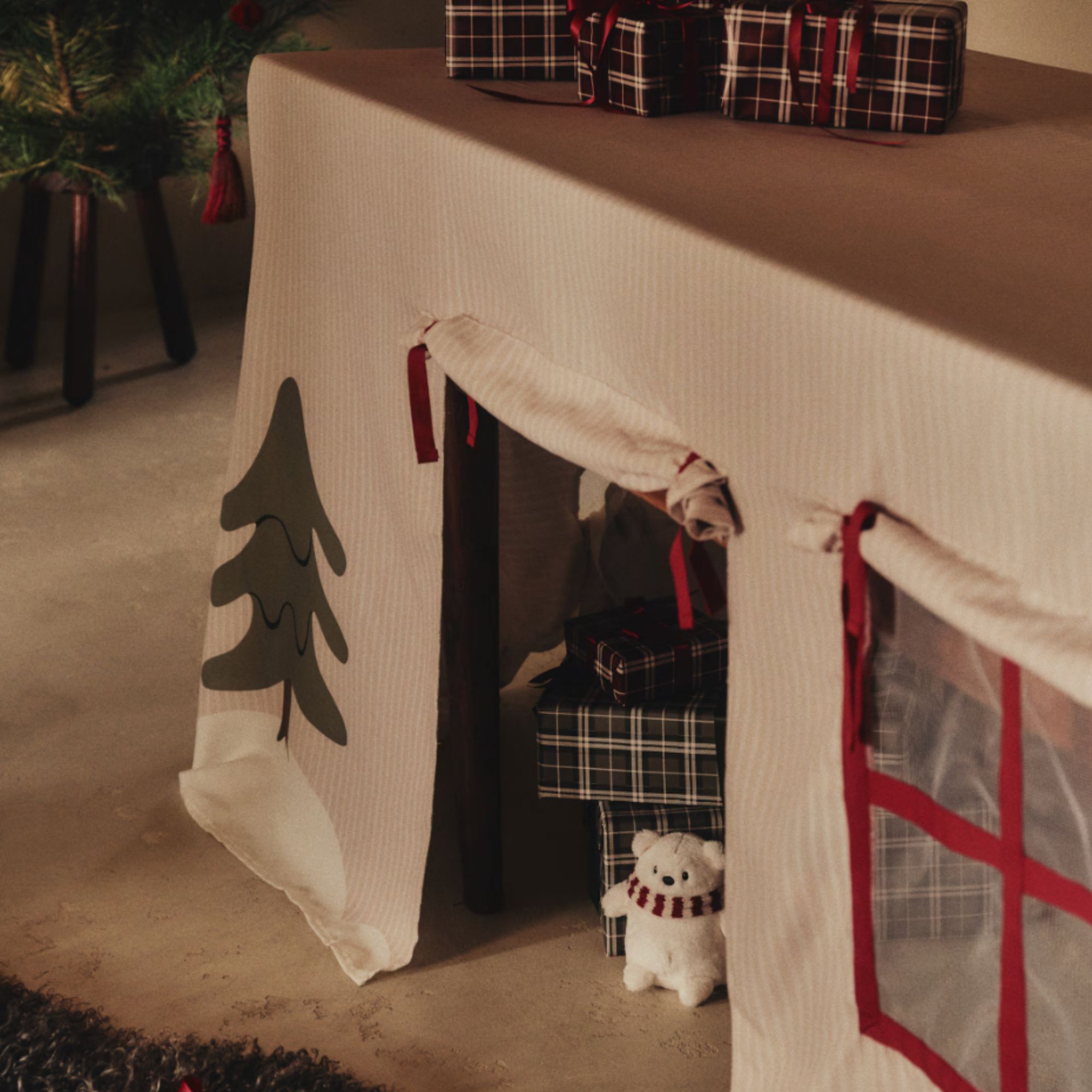 This £30 H&M Christmas kids play tent turns any dining table into a festive hideaway – the Halloween version has already sold out
It's by far the cheapest AND cutest one we've found online
-
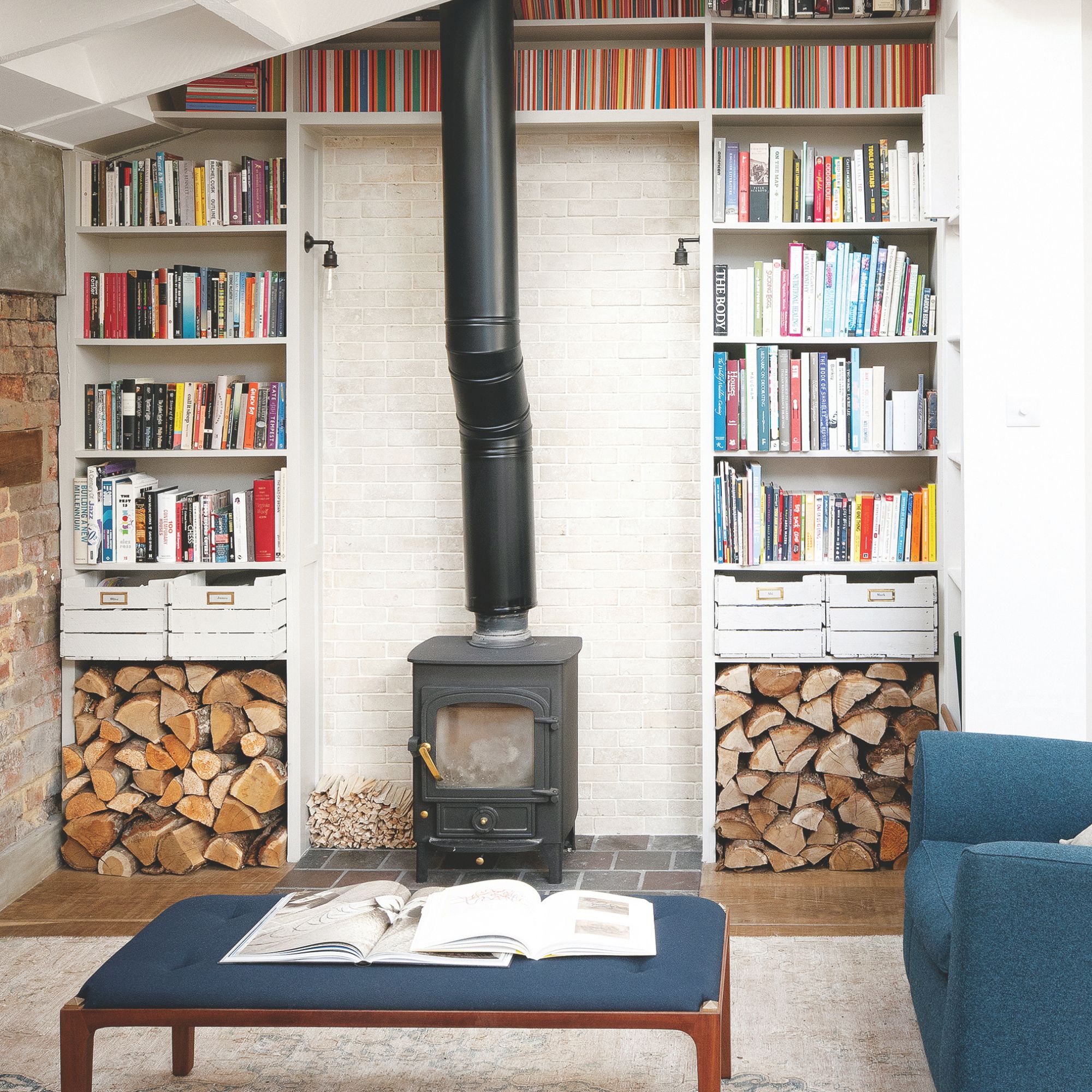 Love the idea of a log burner, but don’t have a chimney? All may not be lost
Here’s how you can still have a log burner in your home, plus the alternatives that may suit you better
-
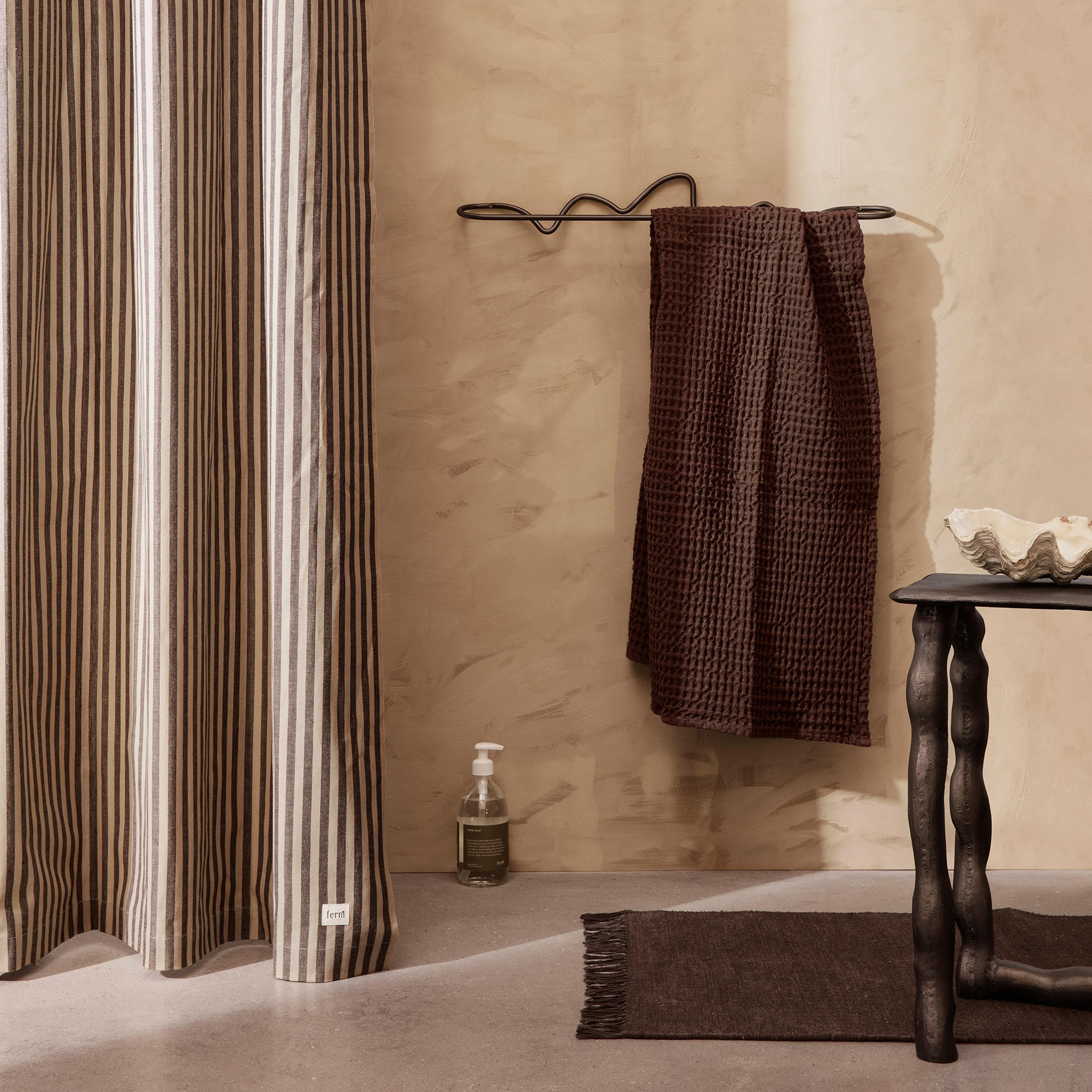 This shower curtain upgrade is the easiest way to make your bathroom look more expensive – here's how these fabrics add luxury for less
It's the perfect tweak to make for the winter months


