Interior designers say this micro-trend will transform our bedrooms in 2026 – 'it taps into the desire for calm and slow living'
The 'reading nook' is set to be one of 2026's biggest bedroom trends, and I'm all for it


Although we’re only a few weeks into the new year, as Ideal Home’s Sleep Editor, I’ve spent the last few months looking ahead to the biggest interior trends of 2026, and what’s becoming increasingly clear is that this is going to be the year that the bedroom is reimagined.
Instead of simply looking pretty, this year's bedroom trends are all about the way our bedroom makes us *feel*, and there’s one micro trend in particular that, for me, sums up everything 2026 is all about.
Yep, I think the ‘reading nook’ is set to take our sleeping spaces by storm in 2026, and whilst this trend might not sound overly bold or excitingly dramatic, that’s actually exactly the point.
In 2026, the reading nook is an act of quiet revolution, and as interior designers and trend experts alike explain, it’s leading the way in a big shift in how we design our sleeping spaces.

The reading nook is set to be one of 2026's biggest bedroom trends
Whether it's bedding trends or headboard trends, the key themes of 2026 all show that the bedroom is becoming a place of retreat. A sanctuary or safe space away from the increasingly turbulent and uncertain world outside of our four walls, and a place where we can feel calm, grounded, and cocooned.
'The bedroom is increasingly being designed as a 'sensory refuge',' agrees Shelley Bou Chrouch, brand strategist at trend forecasting agency Scarlet Opus, in research conducted by bed retailer Land of Beds.
'We’re seeing a clear shift towards spaces that support emotional decompression. In a period defined by cognitive load and emotional fatigue, the bedroom is becoming one of the few places designed to reduce demand on the individual.'
In practice, that looks like bedrooms 'that feel quiet, contained, and restorative,' explains Shelley. 'People are becoming more intentional about reducing overstimulation and sensory noise, and building rituals that support a gradual unwinding.' The reading nook is the perfect example of this.
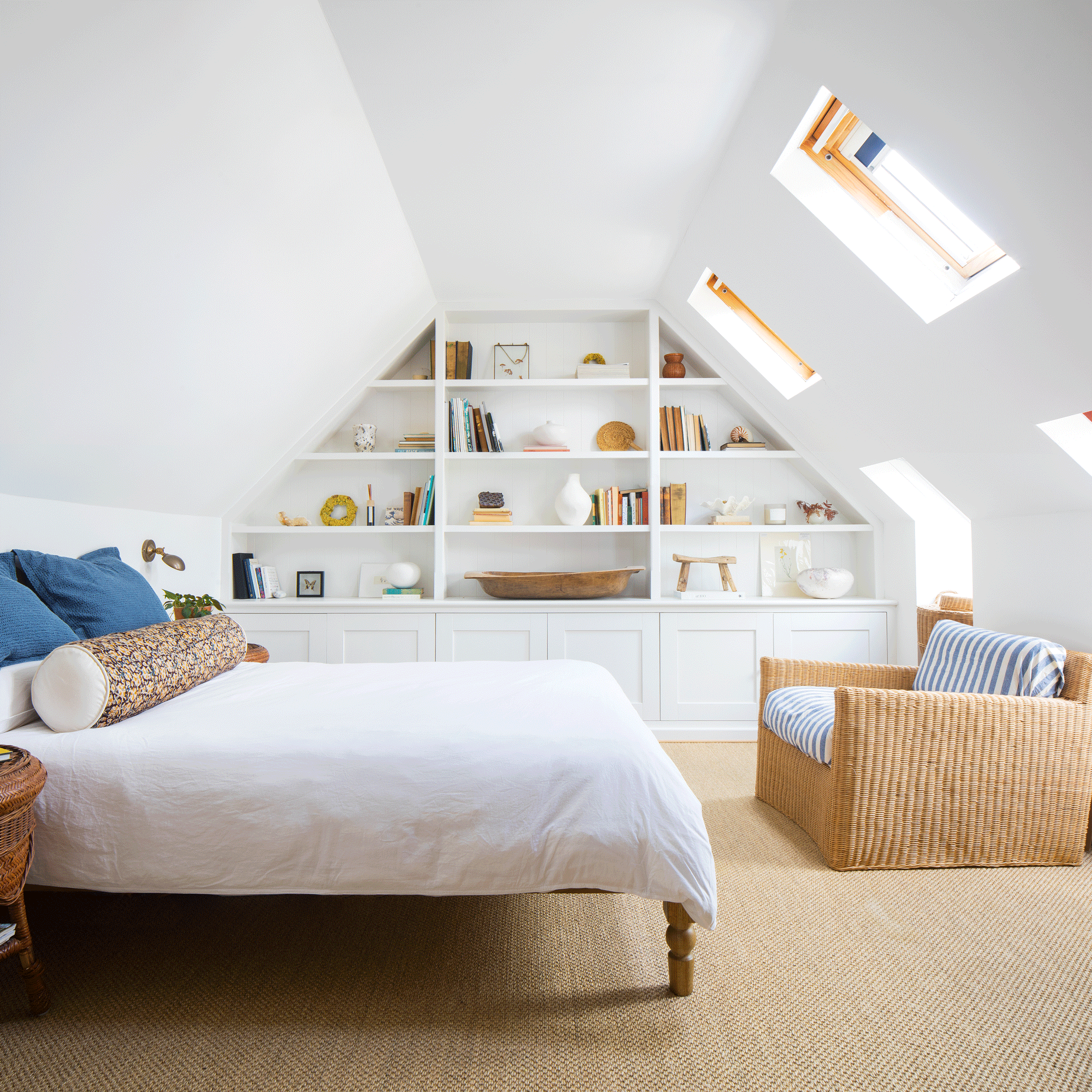
What is a bedroom reading nook?
So what exactly is a reading nook? It’s a dedicated space in the bedroom where we can slow down, relax, and unwind. That might mean curling up in a comfortable armchair and reading a good book, or it could just mean an area to sit and decompress from the stresses of the day and take a mindful pause or meditate before getting into bed.
Likewise, it could be a place to sit in the morning and gather yourself, savouring a slow coffee before the demands of the day begin.
Most importantly, it's about taking a digital detox, and embracing what Magdalena Gierasinska, head of product and displays at homeware retailer Barker and Stonehouse has dubbed 'analogue living'.
'Analogue living at home is about creating spaces where the digital world can step aside,' says Magdalena. 'It’s the quiet corner with a favourite armchair... the deliberate pause to read a book rather than scroll.'

Yep, the bedroom reading nook might not sound that revolutionary at first, but in an increasingly fast-paced world that's becoming defined by digital doomscrolling and nervous system dysregulation, incorporating a reading nook into the bedroom is like pressing pause and taking a deep, slow, mindful breath.
'We’re definitely seeing a growing appetite for reading nooks within bedrooms,' shares interior designer Lucy Van der Gucht. 'There’s been a broader shift towards creating more intimate, multi-functional spaces, and the bedroom is no longer just somewhere to sleep. A reading nook taps into a desire for calm and slow living – particularly as people look for ways to switch off from screens.'
'From a design perspective, a reading nook also adds depth and character,' says Lucy, 'a bedroom instantly feels more layered and considered when it includes a secondary zone rather than being centred solely around the bed.'
How to create a reading nook in the bedroom
So, how exactly do you create a reading nook in the bedroom? Well, you only really need three things. First, a comfortable armchair. Second, a reading light. And third, a good book!

'Comfort is key, so start with generous seating,' advises interior designer Lucy. If you have the space and the budget, then opt for the largest and most snuggly reading chair you can find. Ideally, you want as much space to curl up and get comfortable as possible. This super-generous velvet upholstered loveseat from Darlings of Chelsea is the goal.

Alternatively, a wingback chair is another great option for a reading nook as it gives your head somewhere to rest so you can kick back and relax. The bonus is the upright design will take up less floorspace. Pair it with a padded ottoman or footstool and you can also put your feet up.

Alternatively, a tub chair is another great option if you're incorporating a reading nook into a smaller bedroom, as they don't take up too much floor space and they tend to be a little lower, so they're not as visually imposing as a full-size armchair.

If you have the floor space, then placing an arcing or arched floor lamp, such as Habitat's Over Arc Floor Lamp, over your reading chair is a great option as it provides targeted reading light. However, if you need a more compact option, an upright floor lamp, like this rattan option from M&S, can also work well.

Alternatively, opt for a table lamp. If your bedroom reading nook is positioned by a plug socket, that's ideal, but if not, there are now plenty of rechargeable options on the market. Plus, a rechargeable lamp means no unsightly cables.

Or if you don't have room for a table or floor lamp, this rechargeable wall light is a great space-saving option. It has an adjustable head so you can angle the light, and a dimmer function that's great for creating restful ambiance.
Lastly, think about comfort and cosiness. 'Texture plays an important role too,' says Lucy. 'Cushions, upholstery, and a throw will make the nook feel inviting rather than styled for show.'
All this said, if you don't have space for a dedicated armchair in your bedroom, then you can simply keep a stash of books by your bedside and set the intention of some analogue reading rather than digital scrolling at night.

And you don't *have* to read. You could listen to a guided meditation on an app like Calm or Headspace, or sit back and enjoy an audiobook.
As Magdalena sums up, the most important thing is that 'by designing rooms that encourage reflection and stillness, we reclaim our homes as sanctuaries of calm.' The reading nook is a great example of creating a space in our home where, as Magdalena says, 'every action is savoured rather than rushed.'
