Experts say these 5 living mulch plants will help you water your garden less – and suppress weeds, too
They have *so* many benefits in the garden


Mulching is a crucial garden task all year round, especially during a heatwave – but there’s an underrated way to mulch that we don’t talk about enough.
Enter living mulch plants. Generally, they’re flowering groundcover plants or nitrogen-fixing annuals that provide cover around the base of other plants, protecting the soil and suppressing weeds in the process. Plus, several mulch plants are terrific at enriching the soil with nutrients.
‘The most practical options are the low, spreading ground cover plants that are already well stocked in garden centres over summer,’ says Julian Palphramand, head of plants at British Garden Centres. ‘These plants do the work of a traditional mulch, as they reduce weeds, lock in moisture and help keep roots cooler in summer, without the need for bags of bark or compost.’
These are the best living mulch plants that experts recommend for a healthier, drought-protected garden.
1. Aubrieta

Aubrieta is one of the first living mulch plants that Julian recommended to me, and it’s certainly among the prettiest.
This popular perennial flowers in spring, and its dense foliage throughout the rest of the year makes it the perfect groundcover plant for suppressing weeds and conserving soil moisture. Personally, I’ve got my eye on Aubrieta ‘Purple Cascade’ F1, which you can buy from Thompson & Morgan, because the blooms are so vividly purple.
‘For sunny borders, aubrieta is widely available and spreads quickly to form a dense, weed-suppressing mat,’ says Julian. ‘It’s low-maintenance, usually evergreen or semi-evergreen, and many will flower heavily, so they add colour while protecting the soil.’
Where to buy aubrieta:
- Crocus: Aubrieta F1 ‘Purple Cascade’ produces masses of pretty purple flowers for dense ground cover.
- YouGarden: Grow Aubrieta ‘Kate’ Mix for larger flowers that grow in mound shapes.
2. Clover
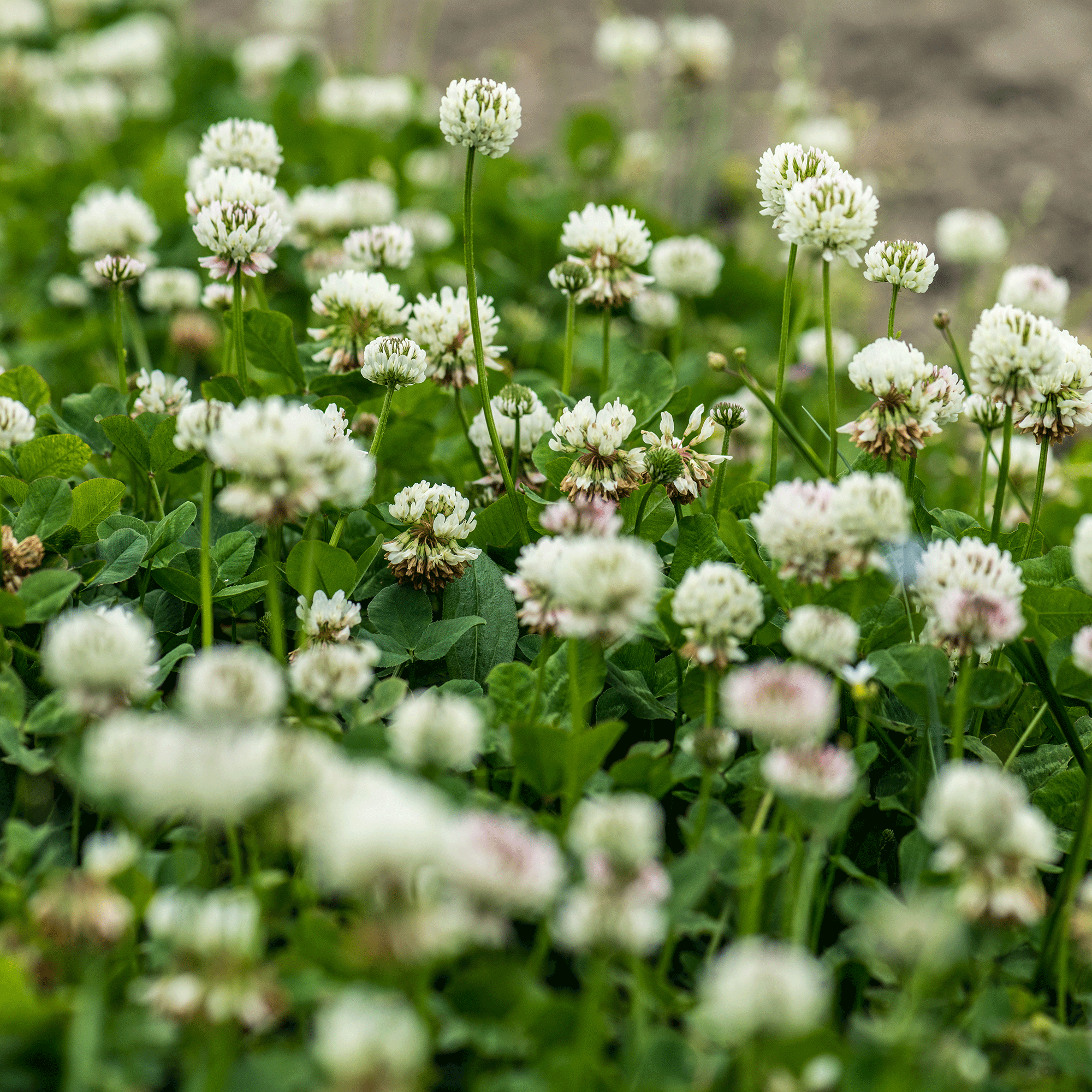
There are so many benefits to leaving clover in your lawn, but according to garden designer Zoe Claymore, it works wonders as a living mulch plant, too.
‘Clover is good for nitrogen fixing,’ says Zoe. ‘Wait until after the heatwave, and we’ve had some rain before sowing anything.’
It’s actually a popular green manure plant, which is why many gardeners sow it in spring or autumn before digging in the mature plants to give the soil a nutrient boost. In fact, many gardeners choose green manures over bags of mulch if they’re looking to prepare it for the next growing season.
Where to buy clover seeds:
- Amazon: Order a pack of white clover seeds.
- Thompson & Morgan: More green manure seeds to give your soil a nutrient boost.
3. Creeping thyme

Creeping thyme is by far one of the best groundcover plants for a sea of pretty blooms, and it’s a fantastic living mulch plant in other ways, too.
‘For a more natural look in sunny, dry spots, creeping thyme is easy to source and creates a low, walk-on carpet that holds moisture and keeps the soil cool,’ says Julian.
You could even take that walk-on carpet idea to the next level and grow a creeping thyme lawn, which requires a lot less watering than traditional grass.
Where to buy creeping thyme:
- Crocus: Creeping thyme 'Pink Chintz' produces flowers that release a light fragrance when brushed.
- B&Q: Grow Thyme pulegioides 'Archers Gold' for golden foliage.
4. Nasturtiums

When I first grew my own nasturtiums from seed, I quickly learned that the popular flowering annuals grow really fast. They gain height and spread at speed – but they also have a huge selection of benefits as living mulch plants.
'Nasturtiums make great living mulch plants as they have trailing stems and large leaves that can function as a weed-suppressing canopy,' explains Richard Barker, horticultural expert at LBS Horticulture. 'The leaves will also shade the soil to help it retain moisture, and keep roots cool in hot weather.'
Richard recommends planting nasturtiums around plants with deep root systems, so that their shallow roots won't compete with them for nutrients.
Where to buy nasturtiums:
- Amazon: Order a pack of Fothergill's Oh Sow Simple 'Nasturtium Mix' seeds.
- Thompson & Morgan: Grow Nasturtium 'Purple Emperor' for pink flowers.
5. Periwinkle

Periwinkle is one of those fast-growing groundcover plants that can blanket an area with dense foliage in no time at all, so it’s among the best living mulch plants out there. Lesser periwinkle (Vinca minor, which you can buy from Crocus) is generally the best choice for gardens, since it’s easier to manage than its greater periwinkle counterpart.
‘In shade or under trees, periwinkle is an excellent choice,’ says Julian. ‘These are common in garden centre shade‑plant sections, establish quickly, and are great at filling gaps and keeping bare soil covered through the year.’
Where to buy periwinkle:
- Crocus: Order 9cm or 2-litre pots of Vinca minor 'Bowles's Variety'.
- Gardening Express: Vinca minor 'Illumination' produces striking golden foliage.
Who knew living mulch plants could be so good at nurturing and protecting our plants?
