5 ways to support robins in July and keep these bold, cheerful birds returning to your garden
How to help the UK's favourite bird this month


While mainly associated with the winter months, robins can easily be forgotten about in summer, but there are a number of things you can be doing in June to help support them, according to wildlife experts.
I’ll bet anyone who has attracted robins to their garden is a staunch admirer of them. These cheerful, red-breasted birds are known for their bold personalities, making them a delight for any birdwatcher and a welcome addition to many wildlife gardens.
But in the hot summer months, birds can benefit from an extra helping hand. So, I asked wildlife experts for the best ways to support robins (and other birds) in July, and this is what they said.
1. Replenish water daily
One of the most important things you can do to support robins and other wildlife this month is to provide a fresh water source. Ideally, you’d do this with a bird bath (£30, B&Q) so birds can drink, bathe and cool off, but leaving out a dish of water is a good alternative if you don’t have one.
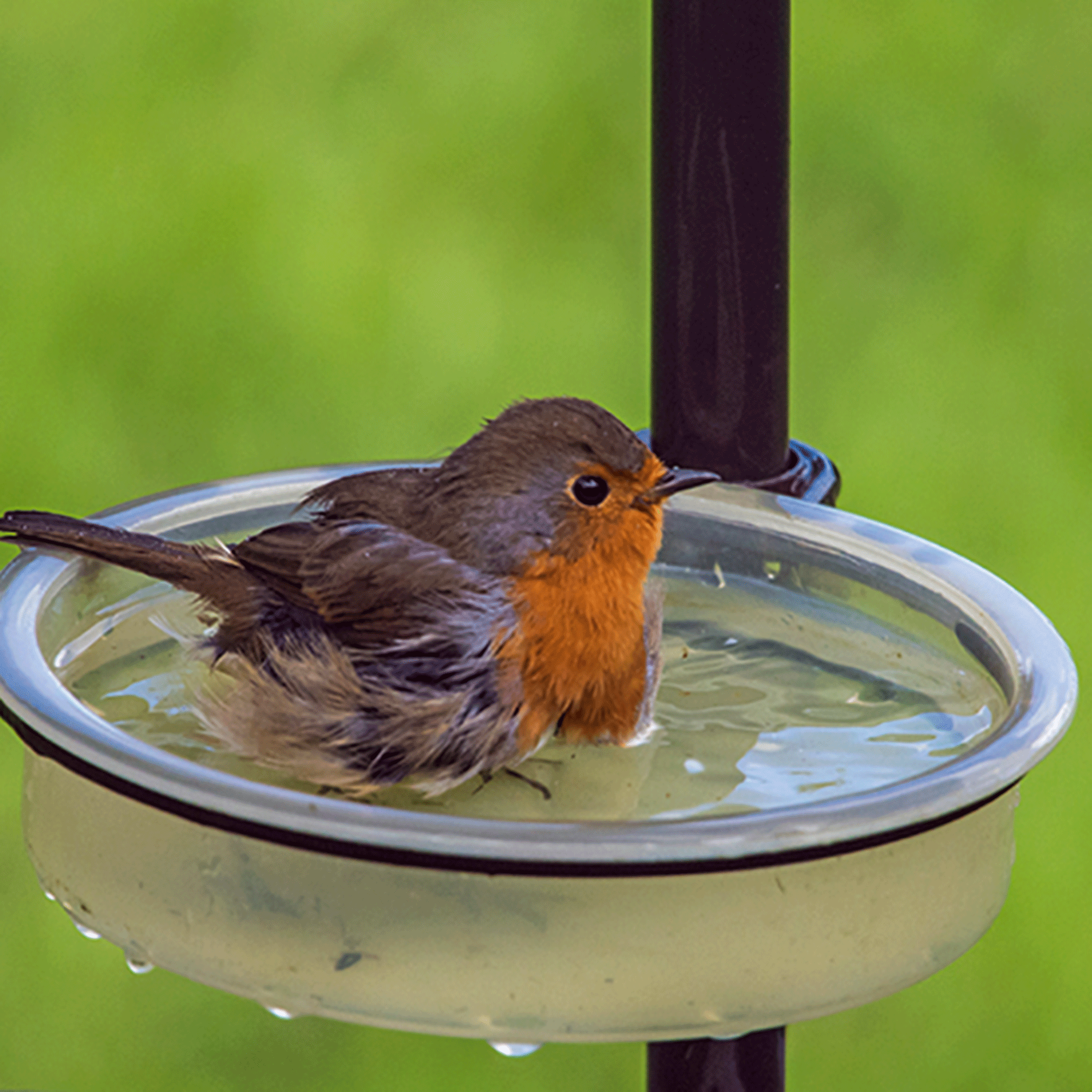
‘Robins need water to hydrate and bathe, making their feathers more pliable, and the water supply can be scarce in hot weather. Keep a shallow bird bath topped up and replenished, or position a small dish near shrubbery. Clean and refill it daily, particularly during hot spells, to prevent the build-up of bacteria. It’s crucial to give your bird bath a good scrub (without chemicals) to ensure it’s clean and algae-free,’ says James Ewens, wildlife expert at Green Feathers.


2. Stop using pesticides in your garden
Another consideration to make is to stop the use of pesticides in your garden. Instead of opting for chemicals, try companion planting and other natural methods such as nematodes (£9.40, Amazon) to get rid of pests, whilst making your garden more environmentally friendly.

‘Although you may consider certain insects pests, they can be a crucial food source for robins visiting your garden, as they need large amounts of protein to sustain themselves and their chicks. Avoid using any chemical pesticides so that insects remain in your garden, and birds will keep their population under control,’ says Lucy Taylor, a wildlife expert from Vine House Farm.
3. Let your garden grow wilder
While you may love the look of a beautifully manicured garden, robins are less than impressed (cue Shania Twain). Instead, embrace naturalistic planting and let your garden grow a little wilder - it reminds robins of their natural habitat.

‘Robins rely heavily on insects in summer, particularly while feeding hungry fledglings. That’s why it’s a great idea to let your garden grow a little wilder. Leave a patch of longer grass and allow borders to become slightly less neat and tidy, and keep a small pile of leaves or logs to create habitats for the insects robins love to hunt,’ says James.
4. Offer shelter
You’ll also want to offer shelter to your garden birds. Robins can be fussy about their bird box’s placement, so you'll want to ensure it is 1.5 meters off the ground and tucked away near shrubs or vegetation. Robins also prefer open-fronted boxes (such as this £12.79 C.J Wildlife Birch Box from B&Q) and won’t go near a standard round-holed bird box.

‘Robins prefer to roost in dense vegetation, such as hedges or brambles, and they can also use these areas to stay cool in a heatwave. Avoid cutting back hedges where possible until at least late August, when nesting season has ended. Adult robins will also undergo moulting and shed their feathers in late summer and are less capable of flying quickly at this time, so they need a safe place to hide from predators,’ says Lucy.


5. Offer food
The RSPB is warning against leaving out peanuts and seeds during summer due to the risk of the spread of disease. Instead, they’re asking gardeners to leave out small amounts of mealworms (£4.99, Amazon) and fat balls (£15, Amazon). Luckily, robins love eating mealworms.

‘It can be controversial whether to feed robins in summer, but they actually need food more than ever as daylight hours are longer and they’re feeding recently fledged young in July. The feeding just needs to be done responsibly. Robins love live food; if you provide mealworms and earthworms, robins will love you forever,’ says James.
‘Apples, pears, and dried fruit can be a great source of fibre and vitamins A, E and C for robins - supporting digestion, healthy feathers and eyes, and immunity. Robins prefer to forage closer to the ground, so scatter some food on a low table or directly onto soil to mimic their natural feeding habits.’


If you love robins, ensure your garden offers these five things this month.
