What to do with peonies in June – 4 tasks that will preserve this year's flowers and start preparing next year's
Keep the fluffy blooms alive for longer

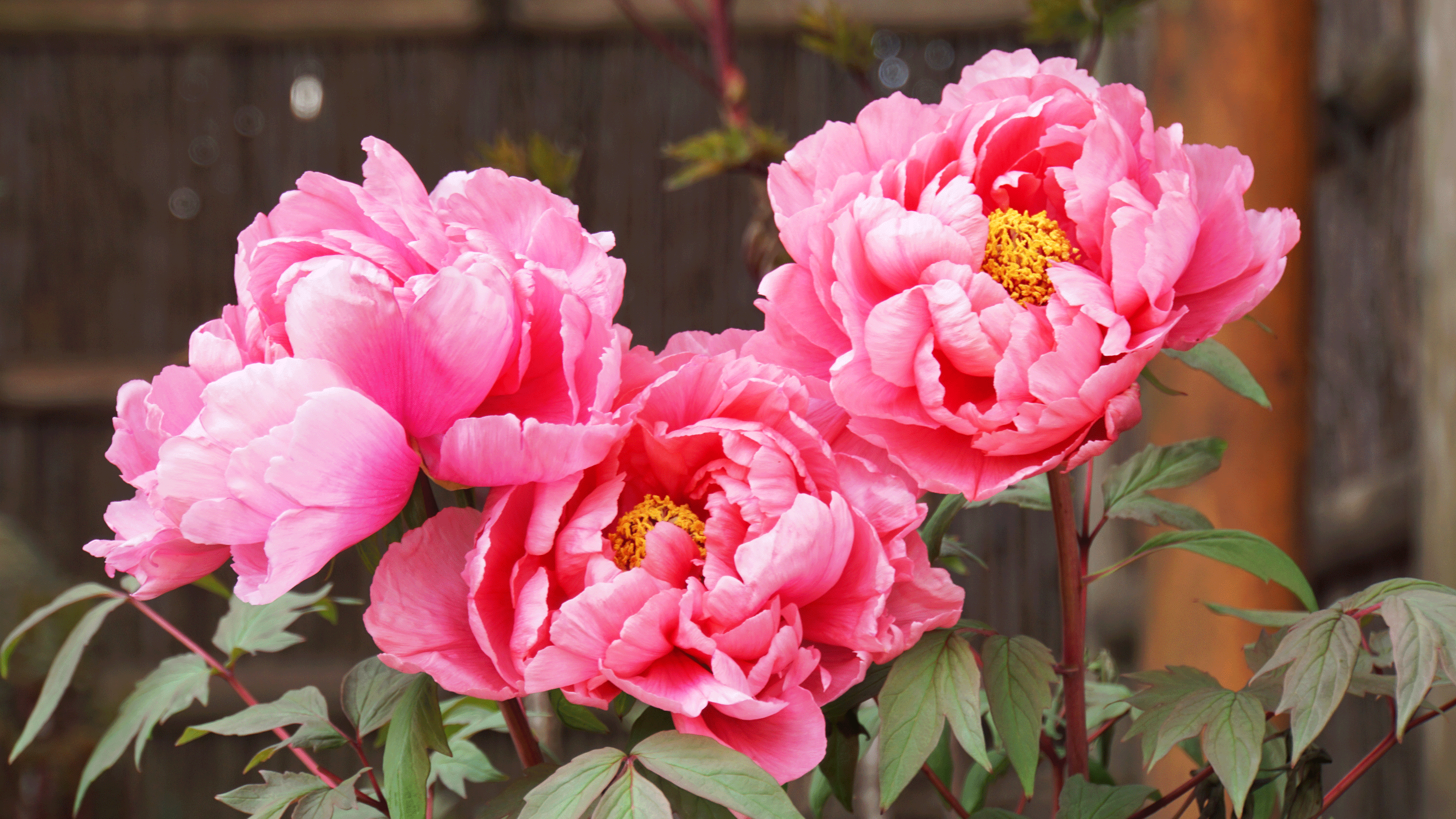
Peonies are among my favourite flowers in the vase and the garden. If you want to get the best out of the blooms outdoors, it’s worth knowing what to do with peonies in June.
Learning how to grow peonies is so rewarding for the fleeting time they’re in bloom, and by June, most varieties will be at their peak. To enjoy the flowers for as long as possible, though, you’ll need to know what to do with peonies in June.
Here are a few key peony tasks to add to your list of June garden jobs.
What you'll need

Brilliantly rated and ideal for supporting peony plants.

Handy deadheading snips with a locking mechanism.

A pack of four ring cage plant supports to support heavy bloomers.
1. Support the blooms

One of the most important things to do with peonies in June is support them, because by now, many will be laden with heavy flowers. According to Elonor Tivey (The Peony Farmer), support is especially important when rain is forecast (like it is this week!).
‘Peonies have huge showy blooms, but if they fill up with rain in a shower, then the stems cannot support them,’ Elonor explains. ‘A peony cage or canes and string help them to stay upright!’
There are plenty of brilliant plant supports out there that will offer your peonies the assistance they need until they finish flowering. You can buy simple peony cages like this Garden Gear peony and herbaceous plant frame from Thompson & Morgan, or go for something more ornate, like this rust ball top plant support from Crocus.
2. Water consistently

Watering seems like an obvious June peony care task, but it's more about how you water the plants.
'In warm or dry weather, it’s best to water deeply once or twice a week rather than little and often,' explains Julian Palphramand, head of plants at British Garden Centres. 'This encourages stronger root growth and helps the plant cope better in dry spells.
'Always aim water at the base rather than over the foliage to reduce the risk of disease.'
Julian recommends using a watering can with a rose for a gentler approach, like this 10L watering can with a removable rose from Robert Dyas.
It's also worth keeping in mind that newly planted peonies or peonies grown in pots will need more water, so make sure you regularly monitor the soil.
3. Deadhead spent flowers

Deadheading is an invaluable skill in any gardener’s set, and if you’re wondering whether you should deadhead peonies, the answer is yes. If your plant is producing enough flowers, anyway.
‘If your peonies have more than one flower bud on the stem, remove the main flower once it has faded to help the side buds open for a second flush of blooms!’ Elonor advises.
These RHS Burgon and Ball ergo deadheader snips from Crocus are designed to reduce hand strain and come with an impressive 10-year guarantee.
4. Cut them back after flowering

You’ll also need to know when to cut back peonies - and if your plant finishes flowering this month, it’s time to get started.
‘Once your peony has finished flowering, nip the faded blooms off at the first leaf node below the flower to leave the foliage to feed the crown for next year's flowers,’ says Elonor.
Just make sure you avoid making any peony pruning mistakes along the way (they’re easily made!).
‘If you notice any disease on your peony, then this should be removed and disposed of in the household waste, not the compost heap, as spores can overwinter,’ Elonor warns.
If you're keen to keep your peonies blooming for longer, the tasks above should help you get the most out of this year's flowers.

If you enjoyed reading this, sign up for the Ideal Home newsletter for all the latest home decor trends and inspiration delivered straight to your inbox
