The most relaxing living room always includes these 5 features, according to interior designers
The simple updates that can transform your living room into a calm, cosy retreat


The best relaxing living room features don't just make your space look stylish - they create somewhere you can switch off at the end of a busy day, too. From the furniture you choose to the way you light the room, a few thoughtful touches can make all the difference to how cosy, calm and inviting your living room feels.
I spoke to interior design professionals to find out which relaxing living room features they always include in their projects. Whether it's choosing calming colours for a living room, investing in comfortable seating or layering lighting, these are the design elements they recommend prioritising.
But before you start designing your ideal relaxing living room space, it's worth thinking about exactly how you want the space to work, says John Law, Creative Director at Woodhouse & Law Interior Design. 'Is it somewhere to unwind with a book at the end of the day, entertain friends, or simply switch off from a busy household? Once you understand how the room needs to work, the design decisions become much easier.'
1. Deep, comfortable sofas
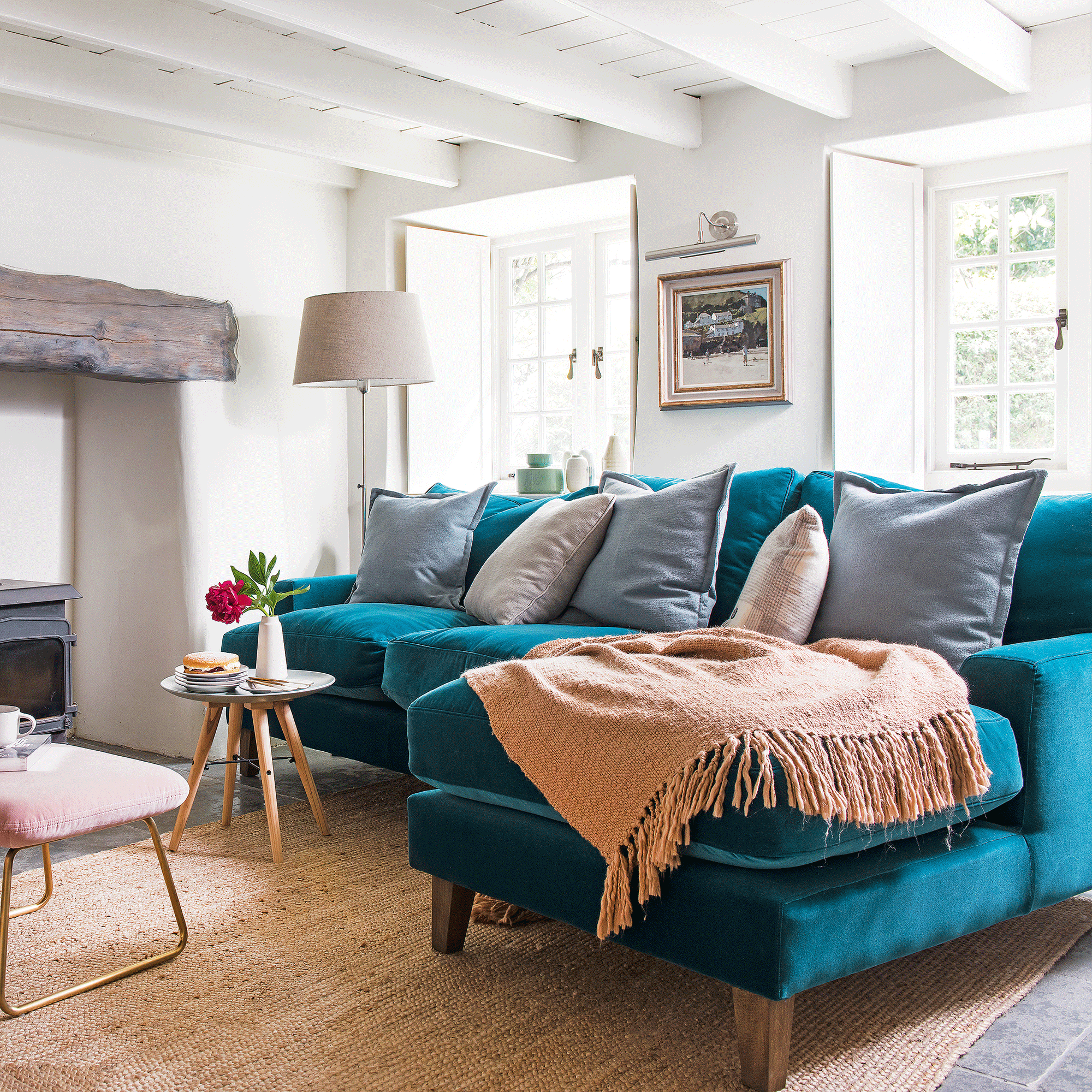
A relaxing living room should invite you to put your feet up, so it's not surprising that living room seating - in particular a comfortable sofa - topped every expert's list.
'Comfort always comes first,' believes John. 'We always encourage clients to choose a sofa that feels as good as it looks, with generous proportions and layouts that encourage conversation rather than simply pointing everything at the television. A relaxing room should invite you to settle in, not perch.'
Victoria Robinson, trend expert at Hillarys, adds that deep sofas, oversized cushions and upholstered furniture all contribute to a feeling of comfort and ease. 'If a space is designed around relaxation, seating should be every bit as practical as it is attractive.'
2. Layered lighting

Living room lighting can completely transform not only how your space looks but how it feels. Rather than relying on one overhead fitting, Ally Dowsing-Reynolds, interiors expert and co-founder of Dowsing & Reynolds, recommends layering different light sources to create a softer, more relaxing atmosphere.
'Opt for warm LED bulbs for a cosy glow and a dimmer switch to allow you to control the light easily,' she says. 'A dimmer switch offers flexibility with lighting, allowing you to adjust the intensity to soften the room's edges and create a more visually spacious and relaxed feel.'
John adds that where single ceiling light can make a space feel quite harsh, combining table lamps, floor lamps and discreet wall lights creates a softer atmosphere that changes with the time of day. 'It gives the room a warmth that instantly makes you want to stay in it.'
3. A calming colour palette

When it comes to creating a relaxing living room, living room colours matter as much as comfort.
'Relaxing living rooms tend to draw inspiration from nature,' says Victoria. 'Muted greens, warm neutrals, soft blues and earthy tones create a sense of balance and calm without feeling cold or clinical. These colours are easy to live with and help establish a backdrop that feels restful rather than overstimulating.'
While painting the walls is one option, if you're not ready to redecorate, introducing calming colours through accessories is a much quicker update. 'Opt for warm, colourful shades such as ambers, terracottas through soft furnishings, such as cushions and throws,' suggests Ally.
4. Soft textures and natural materials

The most relaxing living rooms not only look cosy - they feel cosy too. Layering tactile materials throughout the room helps soften the overall look while making the space feel warmer and more inviting.
'A room doesn't always need lots of bold colours or patterns to feel interesting, it's often the mix of natural materials that makes it feel calm and inviting,' says John. 'Linen, wool, wood, stone and beautifully woven fabrics all bring depth in a much quieter way, helping a room feel lived in rather than overly designed.'
Victoria also recommends layering tactile textures throughout the room as a cosy living room idea. 'Textured curtains, woven rugs, wooden furniture, linen cushions and soft throws all add depth and warmth without creating visual clutter,' she says. 'The most calming living rooms aren't necessarily the most trend-led, they're the spaces that feel comfortable, balanced and personal.'
5. Personal touches

A relaxing living room doesn't have to be minimalist, but it should feel intentional.
'Finally, we think the most peaceful interiors are the ones that have been carefully edited,' explains John. 'Giving favourite objects, artwork and books room to breathe creates a sense of order, but it's equally important to surround yourself with pieces that genuinely mean something to you.'
Whether it's artwork collected on your travels, treasured family photographs or a favourite chair you've owned for years, those personal touches create an emotional connection with your home.
As John puts it: 'The most relaxing interiors don't just look beautiful – they feel like a warm embrace, wrapping you in the things you love every time you walk through the door.'
Create a relaxing living room

A table lamp is an easy way to make your living room feel cosier without using the main ceiling light. This Habitat lamp adds character with its retro rounded shape.

A textured bouclé throw is a simple way to add warmth or softness to your sofa or armchair. This one from Dunelm comes in a range of different colours.

These sheer curtains from M&S come highly-rated, and they're ideal for creating the light, calm feeling Victoria recommends.
Creating a calming living room doesn't have to mean completely redesigning your space. Whether you start with a softer lighting scheme, introduce more texture or simply edit your décor, incorporating a few relaxing living room features can make your space calmer, cosier and somewhere you'll genuinely enjoy spending time.
