4 ways to reuse grass clippings in your garden – they are a powerhouse of nutrients and the secret to healthier plants and a more verdant lawn
Grass clippings are so much more than just garden waste


Did you know you can reuse grass clippings in your garden? Not only does this save you from trips to the tip to dispose of them, but reusing grass clippings in your garden can also bring excellent benefits to your plants and lawn.
Grass clippings are high in nitrogen. When you reuse grass clippings on your lawn or in your garden, they decompose and release nutrients into the soil, where it is absorbed by the plants. Nitrogen encourages leaf growth and supports healthier plants and a more verdant lawn. It is a key component in many commercial plant feeds, so reusing this natural source rather than purchasing it will also save you money – a great budget gardening idea.
Here are four way syou can reuse clippings around your garden to help your plants and greenery flourish.
1. Add to compost

The most common way to reuse grass clippings is to add them to the compost bin or heap. Compost is made from a mix of nitrogen-rich green waste – grass clippings, uncooked vegetables, peelings and fruits – and carbon-rich brown waste – wood, dry leaves, twigs and cardboard. Together, these decompose to create healthy, rich soil that will encourage stronger and healthier plants.
Compost bins are readily available, and designs like this Outsunny 160L Tumbling Compost Bin from Amazon remove the need for manual turning, making the task of creating your own compost even easier.
2. Use as mulch in borders

Grass clippings can be used as an effective mulch across garden borders, vegetable beds and pots. The benefits are instant, but to reuse grass clippings in this way can also have a long-term impact on your soil health.
When you first reuse grass clippings as mulch, it helps lock moisture in the soil – ideal for keeping plants cool during heatwaves. Then, as the grass breaks down, it releases nitrogen into the soil in much the same way as a slow-release fertiliser – like this Lawn Feeder from Amazon. This is what makes it one of the best mulches for vegetable gardens, as plants like cabbage, broccoli and kale particularly benefit from the nitrogen that is released as the grass decays.
It has the added benefit of being a free weed suppressant.
3. Leave on the lawn

One of our favourite lawn care tips – leaving grass clippings on your lawn can actually make your grass look greener. In fact, leaving grass clippings on the lawn is a great way to protect your grass during a heatwave.
'It may be tempting to collect up the grass clippings after mowing, but it can actually be very useful to leave them on the grass. Sprinkling a light layer of cuttings onto your lawn after mowing acts as a mulch that locks in any moisture and nutrients, helping to grow thick, healthy grass!' says experts from garden machinery specialist, Cobra. 'Mulching mowers – like this Cobra model from Amazon – are a fantastic way to do this as they not only mow the lawn, but instead of collecting up the cuttings, automatically return the cuttings to the grass so that it can work its magic!'
To reuse grass clippings, cut the grass using one of the best lawnmowers, then use a rake or broom – like this 10" Yard Broom, currently £12.99 at Amazon – to evenly spread the clippings over the lawn. Avoid mulching when it's wet, as damp clipping won't break down as easily as dry ones. 'Late spring through to late summer is the best period to mulch with grass clippings,' adds lawn expert Jonathan Hill.
4. Use to fill a raised bed
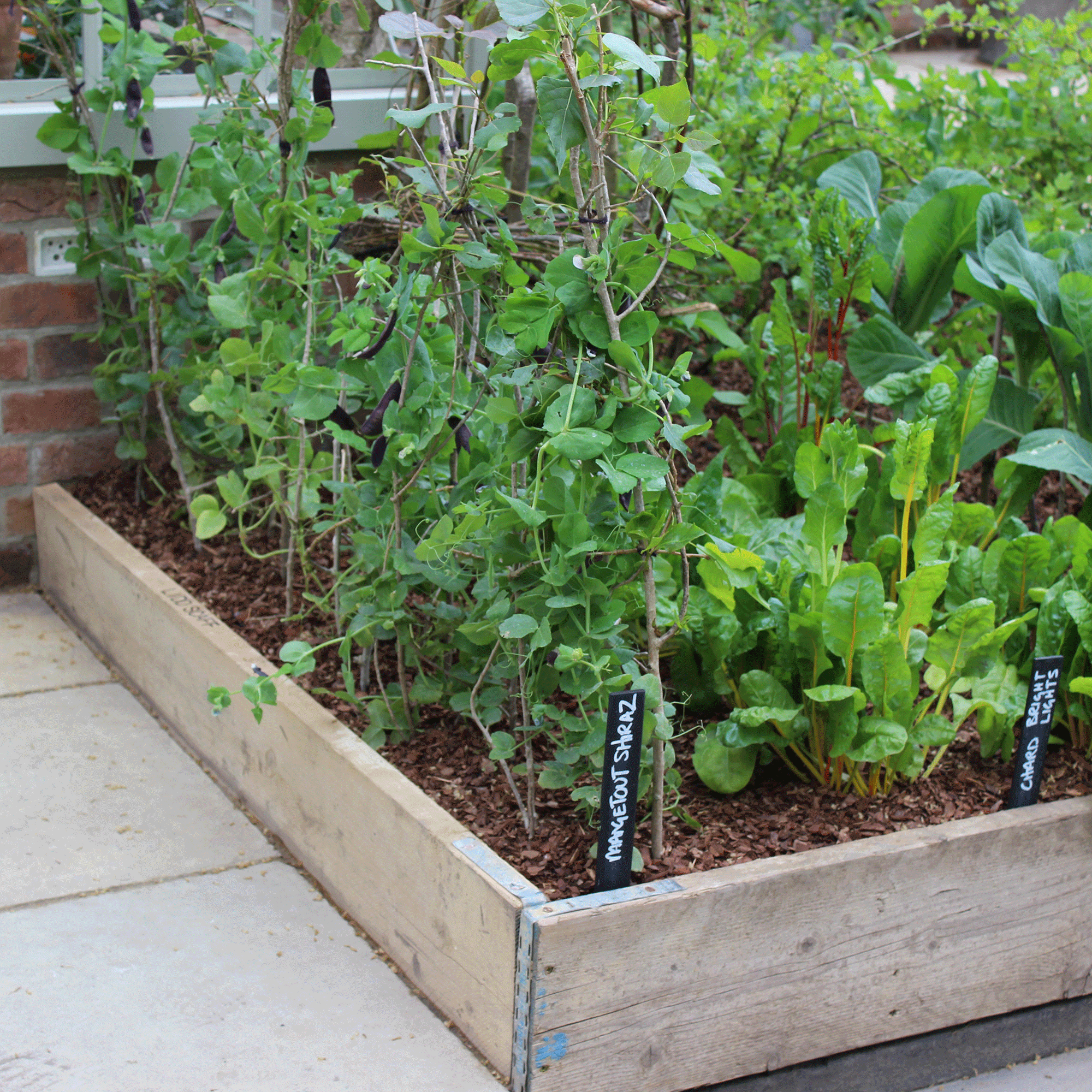
Large raised beds can be daunting (and potentially very costly) to fill. However, if you reuse grass clippings alongside cardboard, shredded newspaper and twigs, you can easily fill a raised bed for free.
‘Green waste is high in nitrogen, such as grass clippings or used coffee grounds, while brown waste is high in carbon, like sawdust, wood shavings, shredded newspaper, or cardboard,' says Darren Stephens, Head Chef and Kitchen Gardener at Bishopstrow Hotel. ‘Layering the two in a raised bed creates heat and breaks down all the matter, turning it into compost.'
You can then top your raised bed with a thick layer of compost – like this Peat-free Westland compost from B&Q – for immediate planting.
So before you chuck those grass clippings in your garden waste bin or bundle them up for a trip to the tip, think of all the ways you could be using them to help your garden to thrive.
