5 things that are making your living room look dated – but don't worry, they're easy to fix
Interior experts share the living room trends that belong in the past


We all want our living rooms to feel stylish, welcoming and reflective of our personal taste. It's a space that needs to work hard, both practically and aesthetically, and keep up with our ever-changing needs and tastes.
Aside from having the top 2026 living room trends on your radar, it's just as helpful to be aware of the things making your living room look dated. You'd be surprised to know how even small design missteps can stop a room from reaching its full potential.
With that in mind, I've rounded up five things that could be making your living room look outdated and asked interior experts how to fix them asap.
1. Matchy-matchy furniture
If your living room furniture all comes from the same range, in the same fabric and finish, it could be one of the biggest things making the space look dated. Buying everything as a set was once the easy option, but interiors have since moved on, and overly coordinated rooms can now feel flat and lacking personality.
As Sarah Ross, Founder and Creative Director of Addison Ross puts it, 'when everything matches too perfectly, a living room can start to feel flat and dated. Today’s interiors are much more about layering and personality.'
A matching sofa, armchairs, coffee table and side tables might feel ‘safe’, but it can make your living room feel more showroom than relaxed - a far cry from the lived-in feel most of us want from cosy living room ideas.
What to try instead: Mix up materials

Instead of replacing everything at once, look to mix furniture styles, shapes and materials going forward.
Helen Ashmore, Head of Design at Laura Ashley, suggests: 'Mixing upholstery shapes and styles, layering in different materials and introducing patterns as an accent will create a more personal feel. Think found, gathered and curated as opposed to perfectly coordinated and designed within an inch of its life.'

Helen Ashmore is the Head of Design for iconic British lifestyle brand, Laura Ashley. Along with her design team, Helen leads the way forward for Laura Ashley's home, fashion and lifestyle collections, setting the key prints, design stories and designs each season.
Even changing up cushions and throws can help break up a uniform look. Whether you're embracing hygee living room ideas or trying a more modern look, let your personality shine through.

I added this armchair to my living room and it completely changed the dynamic of the space. The design is subtle enough to suit a range of tastes, but it adds just the right amount of visual interest.
2. All-grey walls and furniture
Grey living room ideas will always have their place, and if you're still a firm believer in them, that's OK - living room colour schemes are ultimately down to personal preference after all.
But, as Helen emphasises, it's the cool, darker tones of grey that are one of the living room colours going out of style. 'They once felt like the safest option, but they can really leave a living room feeling flat and unwelcoming,' she notes.
Following on from the point about matchy-matchy furniture, an all-grey suite combined with all-grey walls is much more likely to create a hollow, empty-shell feel - definitely not what most of us want in our living spaces.
What to try instead: Warmer tones

These days, interior designers prefer to lean into warmer hues to open up living spaces and make them feel more welcoming.
'Whether you opt for a subtle accent on accessories, or choose something bolder on the walls or a statement sofa, it's about creating a balanced and harmonious design that's reflective of your personality, rather than sticking to one single safe colour,' Helen says.
And if you do want the grey, then keep it - just try to balance it out with warmer hues in the rest of the space.
3. Poor lighting
It's no secret that living room lighting ideas are a key player in how the space looks and feels overall, yet they're still overlooked by many. Relying on a single overhead ceiling light is a sure-fire way to make a space feel flat, uninviting and, ultimately, outdated.
'Bad lighting instantly ages a space,' John Law, Creative Director of Interiors at Woodhouse & Law says. 'With today’s wealth of portable and rechargeable options, from table lamps to wall lights, there’s no excuse for relying on a single ceiling light or the location of a socket.'
Harsh, central lighting can cast unflattering shadows and drain warmth from the room, making even beautifully styled spaces feel lifeless - especially in the evenings, when the living room should feel at its cosiest.
What to try instead: A layered approach

A more modern approach is layered lighting, which combines multiple light sources at different heights. Floor lamps, table lamps and wall lights all work together to add depth, warmth and flexibility.
If rewiring isn’t an option, rechargeable and plug-in lamps are an easy upgrade that can instantly make your living room feel more current. Always opt for warm bulbs as well - labatory-style blue lighting should be on a permanent if you want to create a comforting home, especially in the living room.

These rechargeable lamps from Addison Ross have been my best friend this winter. They instantly create a relaxed, inviting atmosphere in the living room, and the battery life is surprisingly long. The shade and base are sold separaretly, but in my opinion, they're worth it.
4. Tech-heavy layouts
It’s easy for the TV and media unit to become the main focus of a living room, but designing the entire space around them is a living room faux-pas, and a commonly-made mistake when deciding where to put a TV.
When the layout revolves solely around the television, the room can feel more like a viewing space than somewhere to relax, entertain or unwind - which is why many designers are now encouraging a more balanced approach. 'Your living room shouldn’t be designed around technology alone,' Helen confirms.
Be it oversized black screens, bulky units or visible wires - these are the elements that dominate a room and leave little space for personality to shine through.
What to try instead: An alternative focal point
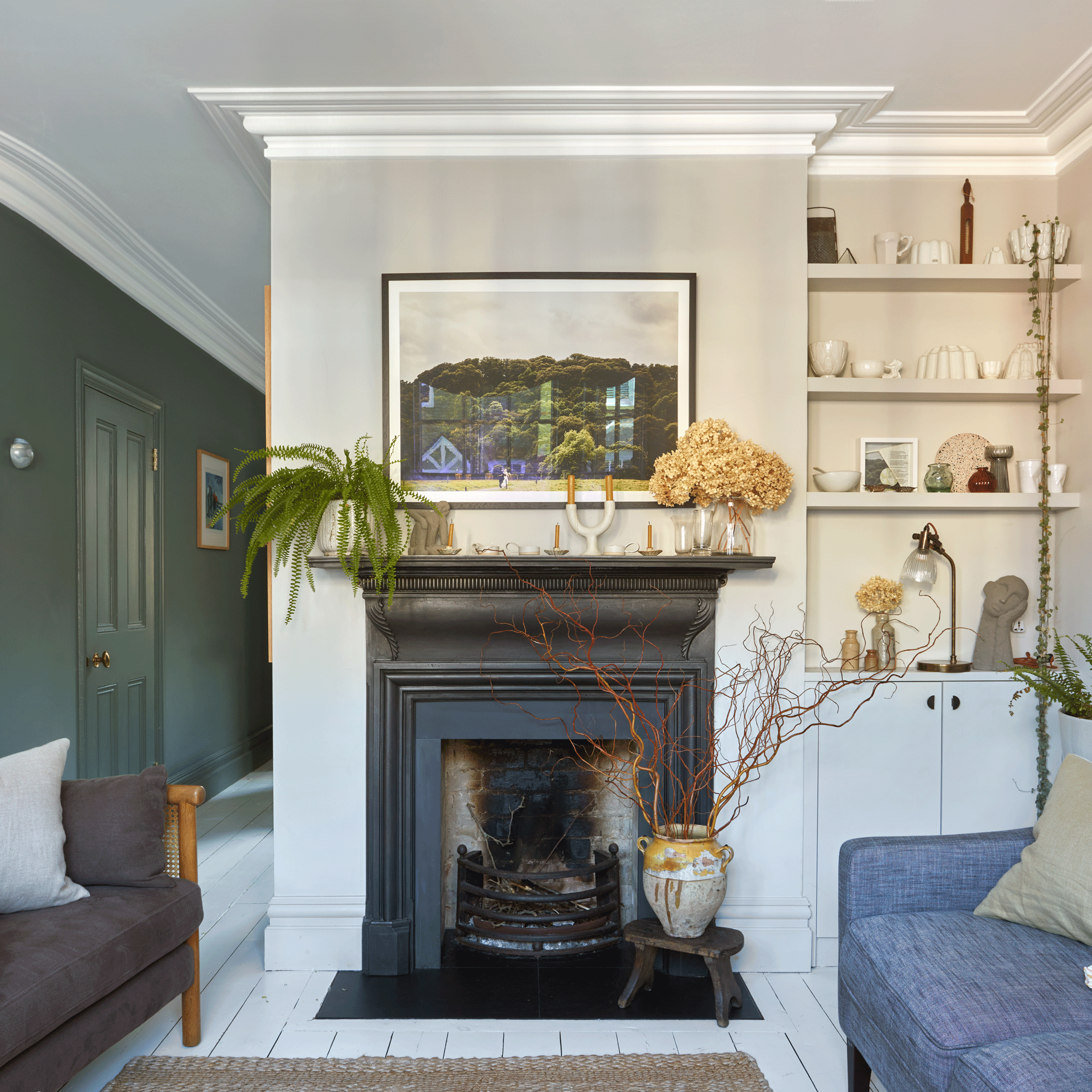
Rather than letting the TV dictate the entire layout, try introducing other focal points that draw the eye.
Danielle Le Vaillant, Head of Photography & Film at Cox & Cox, suggests, 'if you can’t hide the television inside a cupboard or better still banish it to another room, ensure you have an alternative focal point by making the most of a fireplace, or introduce a beautifully styled console table to draw the eye.'
Styling shelves, adding artwork, or incorporating softer materials like wood and textiles can help shift the focus away from screens and create a living room that feels more inviting and less tech-led.
5. Hard lines at the windows
While sleek shutters and sharp, minimal blinds have dominated living room design for years, there's been a shift in recent years back to the fabric window dressings "of old". The clean lines of shutters and blinds still have their place for many, but some designers are moving towards softer finishes that add warmth and movement.
It's true that there are no "wrong" window treatment ideas - just like the colour scheme, it comes down to personal preference. But if you are conscious of your living room looking outdated, and you've opted for blinds or shutters, be mindful that this might be what's throwing the room off-balance.
What to try instead: Softer window dressings

Bringing in softer window dressings is one of the easiest ways to update your living room without a full redesign.
'Curtains and blinds with gentle movement or in beautiful prints, sheer layers, braids or decorative tiebacks all help to create a more inviting, lived-in feel,' Helen notes. 'They work beautifully in the living room, where a relaxed feel is paramount.'
You don't need to splurge out on a fancy pair of curtains either. Pro tips to make living room curtains look more expensive include adding a lining to sheer drapes, and upgrading the small details, be it the tiebacks or curtain pole.

We're spoilt for choice when it comes to these popular curtains from M&S. Choose from eyelet, pencil pleat, and ultra thermal designs, plus a range of pretty colours. They could be the perfect upgrade your living room needs.
So which changes will you be making to bring your living room into the here and now?
