Clover is key to a low-maintenance garden – here’s why experts say you should keep the ‘weed’ in your lawn for No Mow May
Wildlife *loves* it


Spotted clover in your grass? Don’t panic, especially at this time of the year – because there are plenty of reasons you should keep clover in your lawn for No Mow May.
If you were wondering whether or not you should get rid of clover in your lawn, hold your horses – I’ve spoken to the experts, and every single one of them has raved about the benefits of clover for biodiversity in the garden. No Mow May is all about boosting biodiversity – so hanging onto clover is a no-brainer.
Here’s why you should leave clover in your lawn for No Mow May this year.
1. It’s a brilliant nectar source
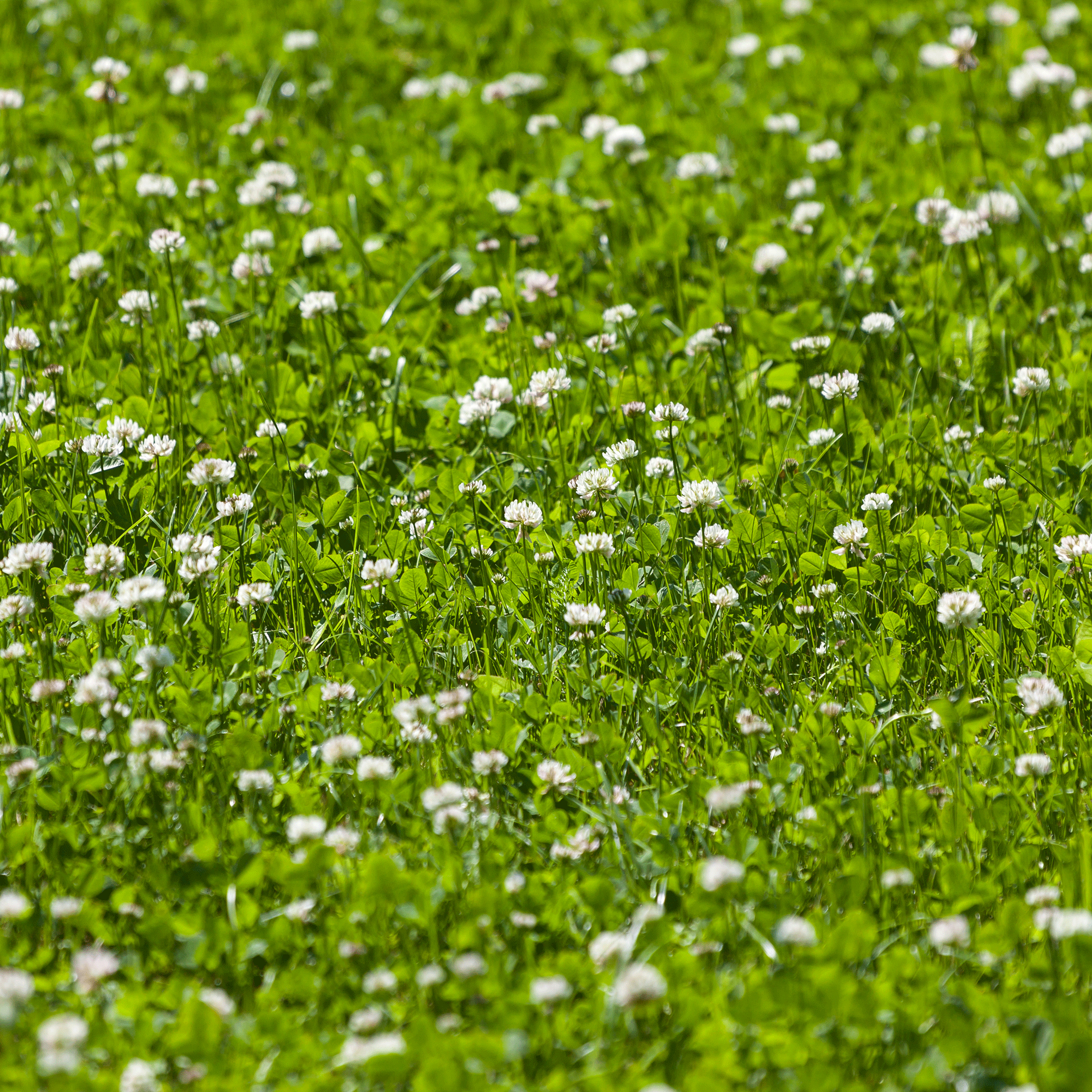
Clover is one of those weeds you should leave in your garden for the pollinators, because when it’s in flower, it’s a fantastic source of nectar for the likes of bees and butterflies.
‘Clover flowers provide an important food source for pollinators such as bees and butterflies, helping to boost garden biodiversity at a critical time of year,’ says Guy Jenkins, consumer manager at Johnsons Lawn Seed. ‘It establishes relatively quickly, works well alongside most grass species, and begins delivering benefits such as improved soil structure and reduced reliance on fertilisers.’
If you don’t already have clover in your lawn, you can actually buy clover lawn seed like this Gardeners Dream micro clover lawn seed from Amazon.
2. It’s low-maintenance
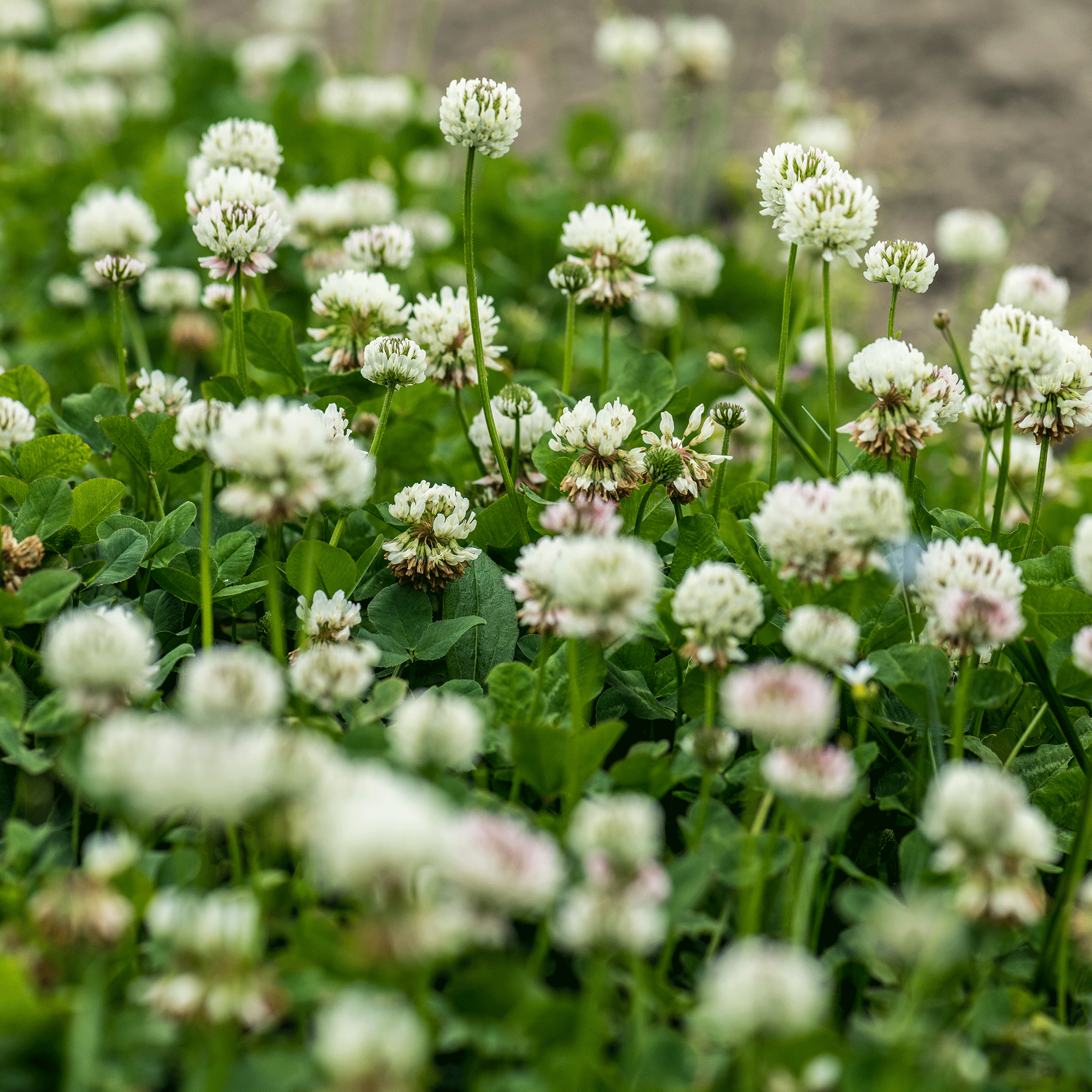
If you’re looking for low-maintenance lawn alternatives to grass, clover is one of the best options you could go for. Plus, it’s slow-growing, which makes it ideal for No Mow May.
'Clover is perfect for No Mow May as it grows slower than other grasses, so your lawn won’t be unruly if you leave clover growing for a few weeks,’ explains Chris McIlroy, lawn expert at The Grass People.
‘It also has a deeper root system, which means it can stay greener throughout dry spells, saving you both time and resources by requiring less watering.’
For an even lower-maintenance and more wildlife-friendly lawn, Johnsons Lawn Seed Nature's Lawn (available at Crocus) includes wildflowers that can be mown.
3. It’s good for the grass

Ever heard of green manures? In a nutshell, they’re sown into garden beds to enrich the soil with nitrogen.
As luck would have it, clover is a popular green manure – so it only makes sense that sowing a clover lawn has similar benefits.
‘It can act as a natural fertiliser by levelling out the nitrogen in the soil,’ explains Chris. ‘This means it self-feeds and improves soil without extra fertiliser.’
Can I add clover to my lawn?

If clover doesn’t reside in your lawn already, you can absolutely add it in. First, you’ll need to work out the best time to sow a clover lawn.
‘Timing-wise, spring and early autumn are ideal for sowing, ensuring good soil contact and consistent moisture for germination,’ says Guy from Johnsons Lawn Seed.
Then, it’s a similar process to overseeding a lawn with regular grass seed.
‘Clover is relatively easy to add into an existing lawn,’ says Chris from The Grass People. ‘You can overseed areas with clover seeds to create a more balanced and resilient lawn.
‘Just loosen off surface soil in areas you want to add clover seed to, sow, and then cover again to ensure good seed-to-soil contact.’
What you'll need


There are a number of benefits of keeping dandelions in your lawn for No Mow May, too.
