I transformed the darkest corner of my garden into a leafy oasis with these beautiful shade-loving plants
My permanently shady border used to feel like wasted space, but these easy plants have transformed it


It feels deeply ungrateful to say so, especially as I spent so many years living in a flat with zero outdoor space, but I have a very annoying garden... particularly when it comes to the permanently shady spots.
A large swathe of it sits in bright sunshine all day long, which sounds ideal until one of our increasingly hot summers rolls around and everything starts looking a little scorched. Then there's a section pressed right up against the neighbouring fence that never sees the sun at all (it is very much that type of garden shade), plus a huge magnolia tree at the back that creates a patchwork of dappled shade beneath its sprawling canopy.
It could easily be a planting nightmare, but luckily, I live with a professional gardener. While this has its downsides (our garden often feels like a busman's holiday), it does mean I have access to expert advice on exactly what will thrive where, from shade-loving perennials to slightly more... well, call them unique options. And, as a result, our shady spots have become some of my favourite parts of the garden.
1. Ferns

If there's one plant I associate with a permanently shady garden, it's lovely low-maintenance ferns. We have them dotted throughout the darkest part of the garden, where they seem perfectly happy despite receiving very little direct sunlight.
I love the texture they bring to a border. Their feathery fronds soften hard edges and create a lush, woodland feel that makes even the most awkward corner feel intentional. Better still, they require very little fuss once established.
Shop Ferns:

This large, evergreen fern is a native of Britain, making it an easy win for planting schemes.

This curated collection pairs striking foxglove cultivars with silvery foliage and delicate, textured ferns.

With its graceful, dark green fronds, this evergreen fern offers year-round interest in shady, damp areas.
2. Wild garlic
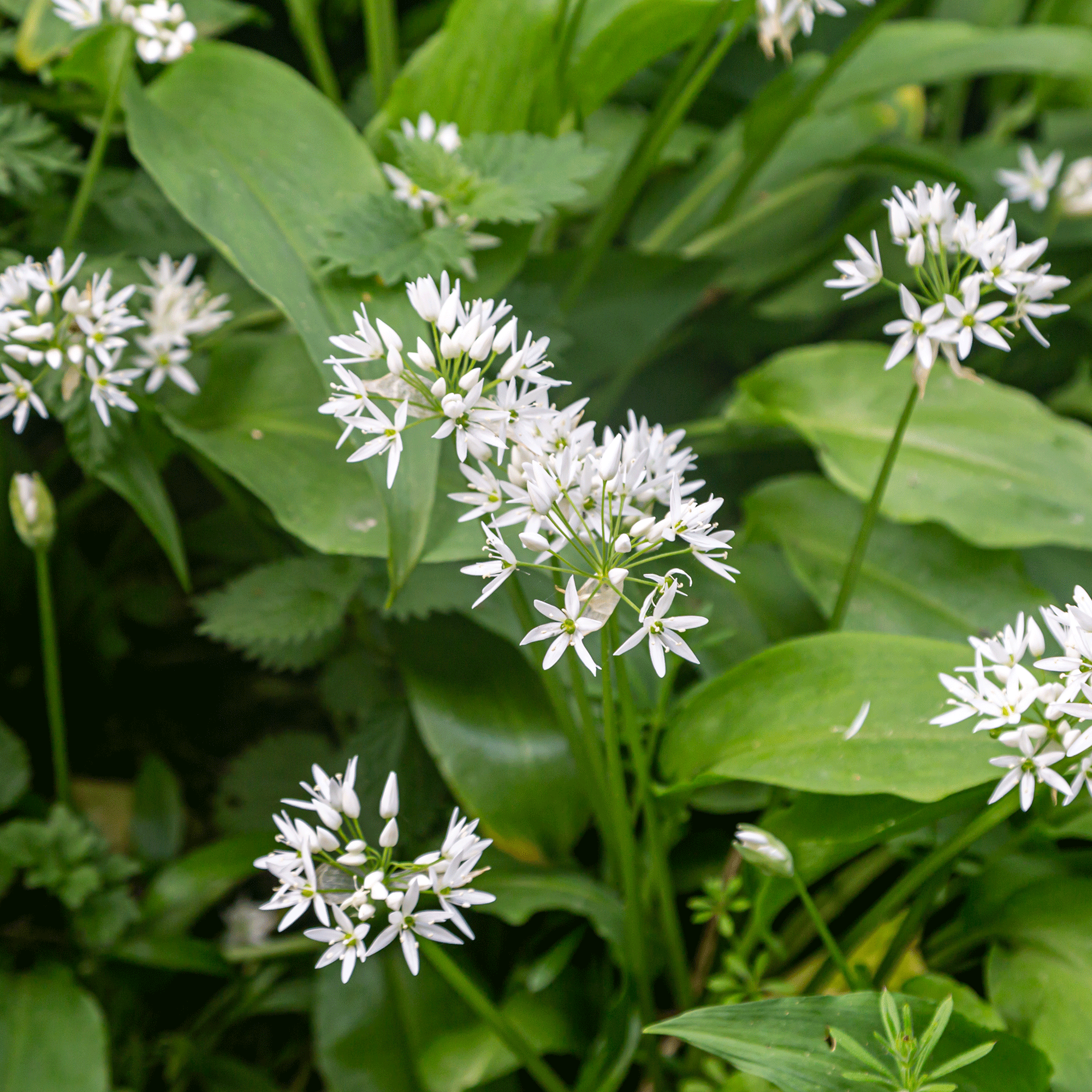
My husband recently planted wild garlic in the permanently shady spots of our garden (with two small children, we have to be mindful of the fact that they can and often absolutely will try to eat most of the things we've planted). While many gardeners know it as a woodland plant, I'd never realised quite how well it would perform in a shady garden until we planted it ourselves.
In spring, it produces a carpet of fresh green leaves and delicate white flowers that brighten up an otherwise gloomy area. It's also edible, which feels like a bonus when space in the garden is limited. You can buy chives 'garlic' from Crocus.
Warning: take care not to mistake the invasive three-cornered garlic for the real deal.
3. Spring bulbs

As mentioned already, the area beneath our magnolia sits in dappled shade for much of the year, making it the perfect home for spring bulbs.
Before the magnolia fully leafs out, bulbs such as snowdrops, crocuses and daffodils can take advantage of the extra light available. They provide a welcome burst of colour at the end of winter and make excellent use of a space that would otherwise feel rather empty.
Personally, I love the deep jewel-like tones of the crocuses best (don't tell the others), so I recommend buying something like this bumper bag of crocus bulbs from Amazon.
4. Ivy

Perhaps the most controversial planting choice in our permanently shady garden spots is ivy. At the very back of the garden, where enormous trees beyond our fence cast deep shade, we've allowed this useful evergreen to scramble across some of the less attractive areas.
Now, I know it isn't universally loved, but I think it's unfairly maligned; not only is it great for wildlife, but it covers ugly spots beautifully, provides year-round greenery and creates the sort of romantic, secret-garden atmosphere that would be difficult to achieve with many other plants. In the right place, I think ivy can be a real asset.
Try something like Hedera helix 'Glacier' from Crocus if you're keen to give it a go for yourself.
More plants that thrive in shade

If you're looking for additional ideas, Morris Hankinson, Managing Director of Hopes Grove Nurseries, says there are plenty of plants that will happily grow in shady conditions.
'A shady area in the garden can feel like a challenge, but it doesn't have to be a problem because there are so many plants that will thrive in shade,' he says. 'With the right plants, a shady border can become one of the most beautiful parts of your garden.'

Morris Hankinson is the founder and managing director of Hopes Grove Nurseries Ltd, the UK’s only specialist grower-retailer of hedging plants. He established the thriving business in 1992, shortly after graduating with a Commercial Horticulture Degree from Writtle College, Essex.
'For foliage with textures, colours and various shades of green, consider planting hostas and ferns. These are shade-loving and reliable and will provide interest throughout much of the year,' continues Morris (personally, I tend to stick to ferns as slugs come in force for hostas whenever I dare plant them).
'For plants with colourful flowers, try planting foxgloves which you can pick up one litre of Excelsior Hybrids at Gardening Express, astilbes, like this deep rose pink variety 'Astary Rose' from Thompson & Morgan, and hardy geraniums, like the strikingly violet-blue 'Rozanne' variety, from £9.99 at Thompson & Morgan, which all grow well in partial to full shade and will provide plenty of colour. And year-round structure can be achieved by planting shade-loving evergreen shrubs such as skimmia and sarcococca. Sarcococca, often called sweet box, is particularly valued for its highly fragrant winter flowers, which are joyful at a time of year when there is little else in the garden.'
Morris adds that you should 'not forget to add plenty of organic matter to the soil to help plants establish successfully'.
FAQs
What plants like permanent shade?
Many plants are well adapted to permanent shade and can thrive in areas that receive little to no direct sunlight. According to RHS guidance, woodland-style plants are often the best choice, including ferns, hostas, hellebores, epimediums and wild garlic.
Why? Well, these plants have evolved to grow beneath tree canopies, so they're comfortable with lower light levels and often appreciate the cooler, moisture-retentive conditions that shady spots provide.
Evergreen shrubs such as sarcococca (sweet box) and skimmia can also perform well, adding year-round structure and, in the case of sarcococca, highly fragrant winter flowers.
What will grow in 100% shade?
While very few plants thrive in complete darkness, plenty will grow successfully in areas of deep shade that receive no direct sun. RHS recommendations include ferns, ivy, vinca (periwinkle), Japanese forest grass, wild garlic and shade-tolerant ground cover plants that naturally grow on woodland floors.
Hellebores are another reliable option, producing flowers even in surprisingly low-light conditions. In deep shade, foliage tends to be more successful than flowering plants, so focusing on interesting leaf shapes, textures and shades of green can help create a lush, attractive planting scheme where sun-loving plants would struggle.
For all my complaints about our awkward garden, the permanently shady areas have ended up being some of my favourites. The ferns look lush for months, the ivy keeps songbirds flocking, and the bulbs beneath the magnolia never fail to lift my spirits after winter.
Throw in the promise of wild garlic still to come, and it just goes to show that a lack of sunshine doesn't have to mean a lack of interest!
