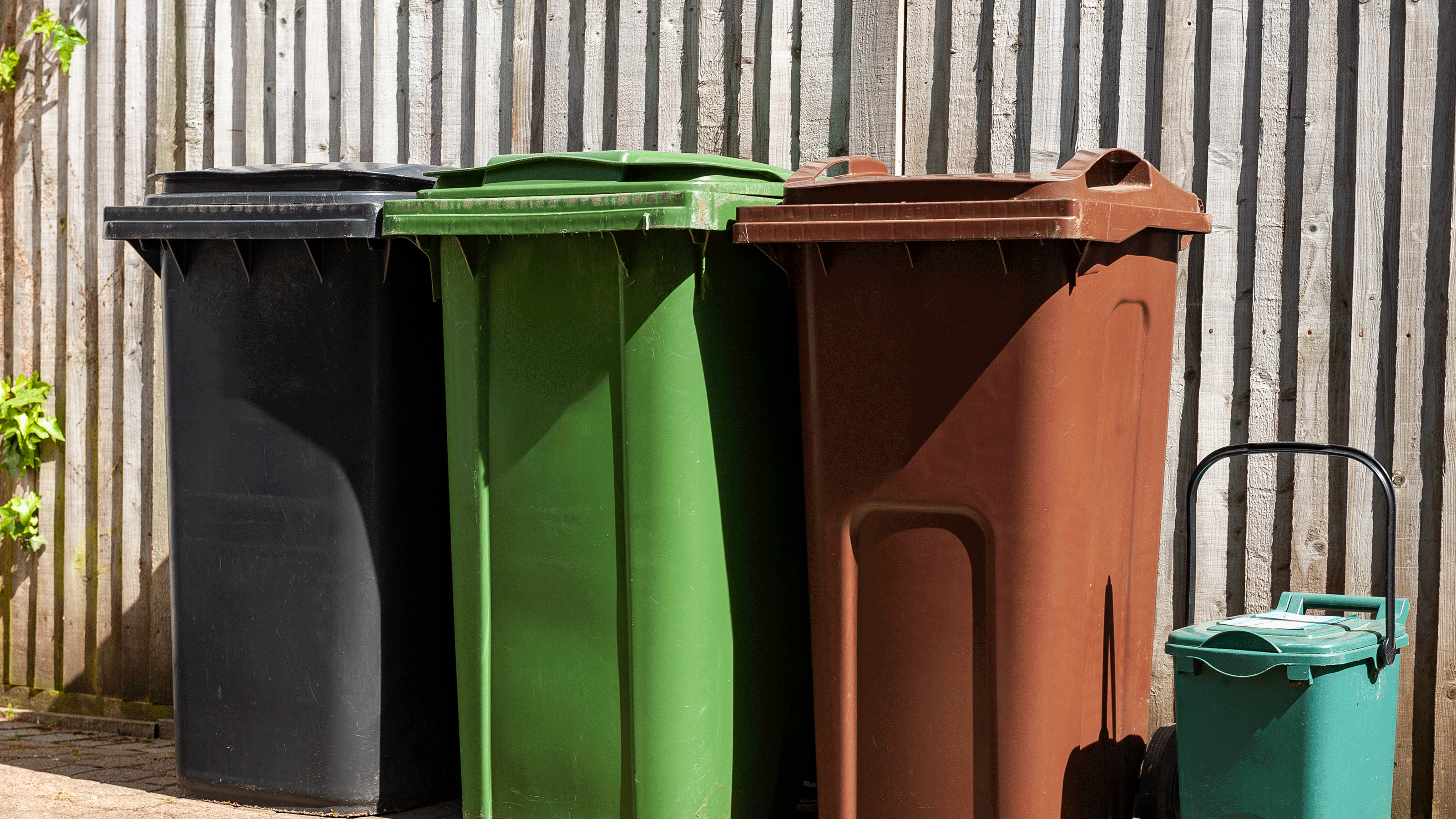
New recycling rules came into effect earlier this week in England to simplify what you can and can’t put in your recycling bins at home. The new, simpler recycling rules that came into force on the 31st March mean all councils are now required to accept the same items and categorise them in the same way across the country.
While this means there are some everyday household items you can no longer recycle at home, there are also many other items your council should collect that they might not have accepted in the past.
Previously, councils were free to set their own rules around recycling collection, but the shift should put an end to the recycling postcode lottery. According to the Department for Environment, Food and Rural Affairs, waste collectors will now be required to collect the following types of waste separately:
- food and garden waste
- paper and card
- all other dry recyclable materials (glass, metal and plastic, including cartons)
- residual waste (non-recyclable waste)
In some circumstances councils can collect paper, card and dry recyclables together, so please check your councils website. Under the new rules this is what you can recycle in each category.
Paper and card
Clean paper and card can be added into one recycling bin and collected together. This includes:
- Newspapers and magazines
- Envelopes (with any plastic windows removed)
- Flattened cardboard packaging e.g., cereal boxes or toilet roll holders
- Office paper
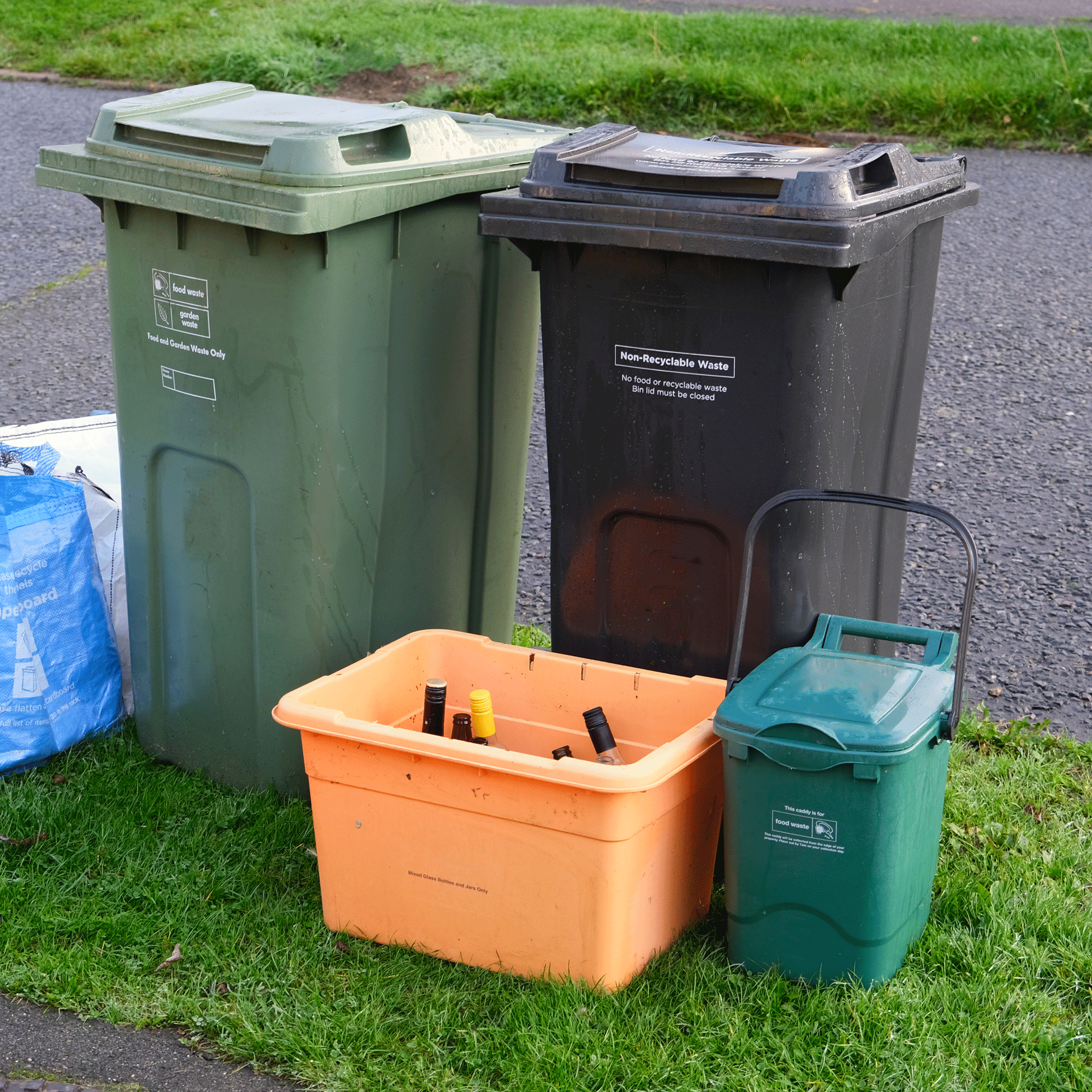
Other dry recyclables
Jars, plastic and metal can all be combined in one bin to be collected. You may choose to separate them from each other, but any combination of the three can be recycled together. This includes:
- Bottles, jars and cans used for food and drink packaging (if they are clean and dry to avoid contamination)
- Foil packaging
- Shampoo and conditioner bottles
- Empty aerosol cans
- Rinsed food tins e.g., soup cans or pet food tins
Food and garden waste
Food waste collection is one of the biggest changes that has come in as part of the new rules. Every council is now required to collect food waste on a weekly basis from households. Households in England will be given a large outdoor bin and a kitchen caddy, in which they should dispose of any food waste. This includes:
- All uneaten food and plate scrapings
- Baked goods such as bread, cakes and pastries
- Dairy products, eggs and eggshells
- Fruit and vegetables including raw and cooked vegetables and peelings
- Out-of-date or mouldy food
- Pet food
- Raw and cooked meat or fish, including bones
- Tea bags and coffee grounds
Councils are not required to collect garden waste under the new rules, but they can choose to collect it with food waste. If your council collects garden waste, make sure you check what can't go in your garden waste under the new guidelines.
While the new recycling rules may take a little getting used to, they’re designed to create a more efficient and environmentally friendly system in the long run.
Claire Shrewsbury, Director Insights and Innovation at climate action NGO WRAP (Waste and Resources Action Programme), a global environmental action company, said: ’We’re a nation of recyclers, but most households put two or more items in the rubbish each week that could be recycled – because of confusion. Making recycling simpler will help end this and if we all recycled one more trigger spray each week, we’d save enough energy to power every home in Birmingham for a year.’
With a bit of awareness – and a quick check of your local council’s guidelines – you can stay on top of the changes and continue recycling confidently at home.

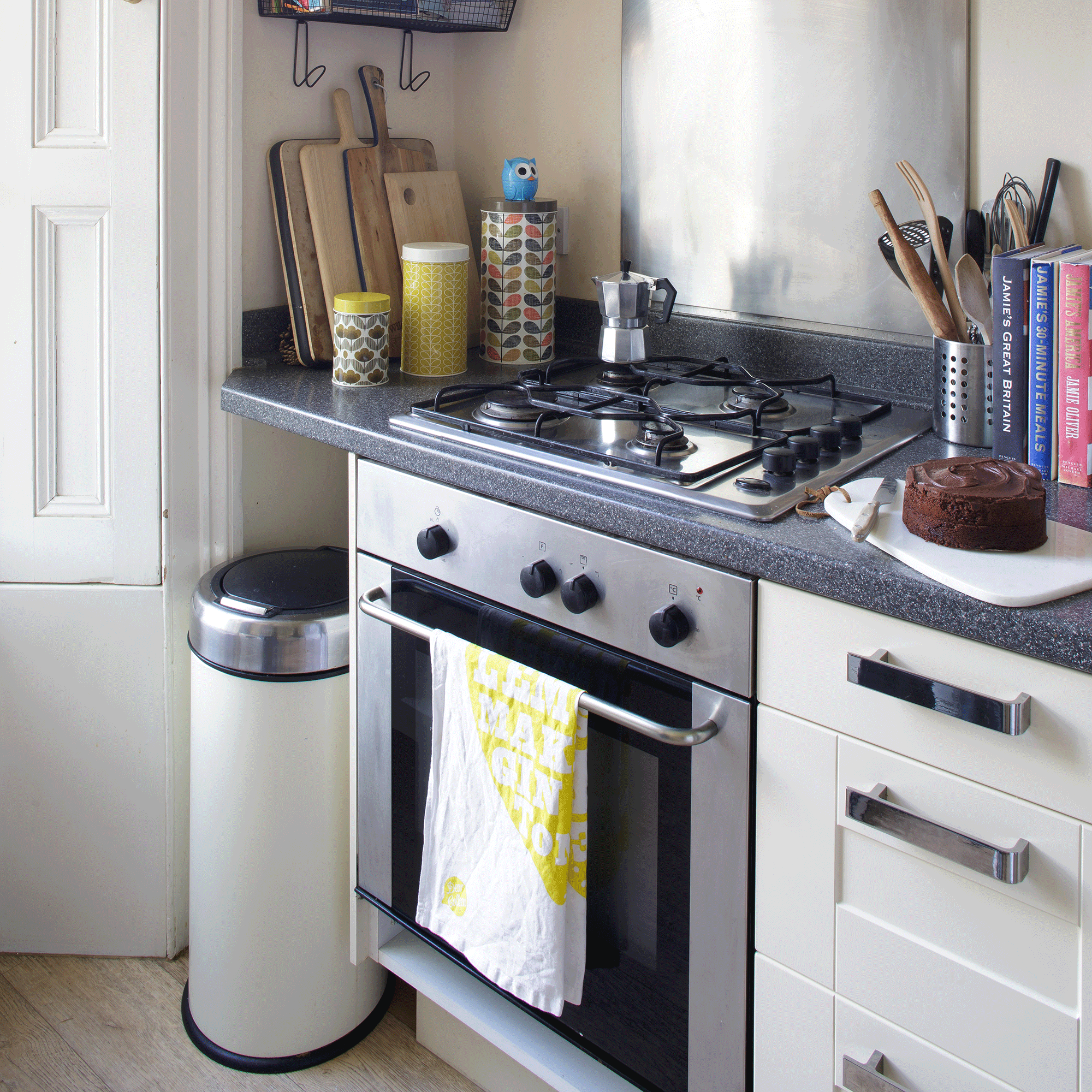
If you're new to food waste collection, instead of the council-issued kitchen caddy, you can opt to use a prettier food waste bin like this Joseph Joseph one, which has rave reviews.

If separating waste into four categories is new to your household, a separating bin like this one can make the job so much easier.

This bin might be pricey, but it's extremely clever. It has a compartment for recycling and for food waste, if you household needs reminders before putting everything in the bin this will do the trick.