Councils may not take your food waste bin if you use the wrong liner – everything you need to know
What you're required to do to dispose of food waste in England

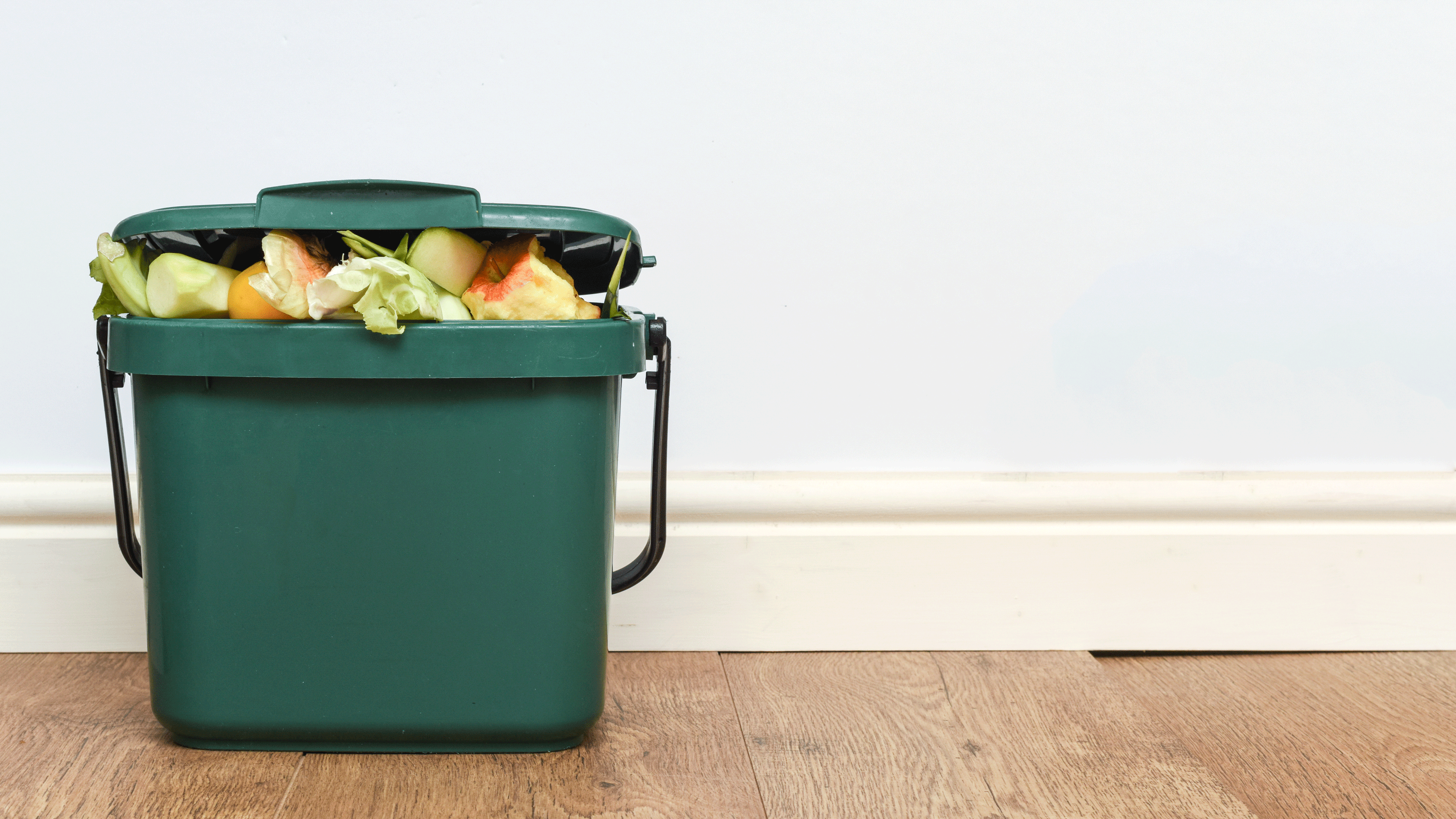
Last week, new rules came into effect designed to make recycling in England simpler and easier, to ensure smooth waste collection. If you’re still looking to get your head around the new recycling rules - in particular, food waste bins - we’re here to help.
Under new rules, every household is entitled to and responsible for a food waste bin. While it’s not the most glamorous of kitchen bin ideas, and arguably the most stinky, there are some new rules surrounding food waste bins you need to follow.
So, we’ve broken down the latest rules and guidelines surrounding food waste, which include the specific liner you need to use, to help you adjust to the new rules effectively.
What you can put in your food waste bin
First of all, it's important to understand what you can/ can't put in your food waste bin.
As part of the government’s Simpler Recycling scheme (which came into effect on 31 March 2026), all households are required to separate food waste from general waste. This food waste must be put in your food waste bin (which you can get from your local council) and should be collected once a week.
Under the new rules, this is what you are allowed to put in your food waste bin:
- Bread, pasta, cereal and rice
- Cooked and uncooked food
- Dairy products and egg shells
- Fruit and vegetable peelings or waste
- Leftover food and plate scrapings
- Meat, fish and bones
- Tea bags, tea leaves and coffee grounds
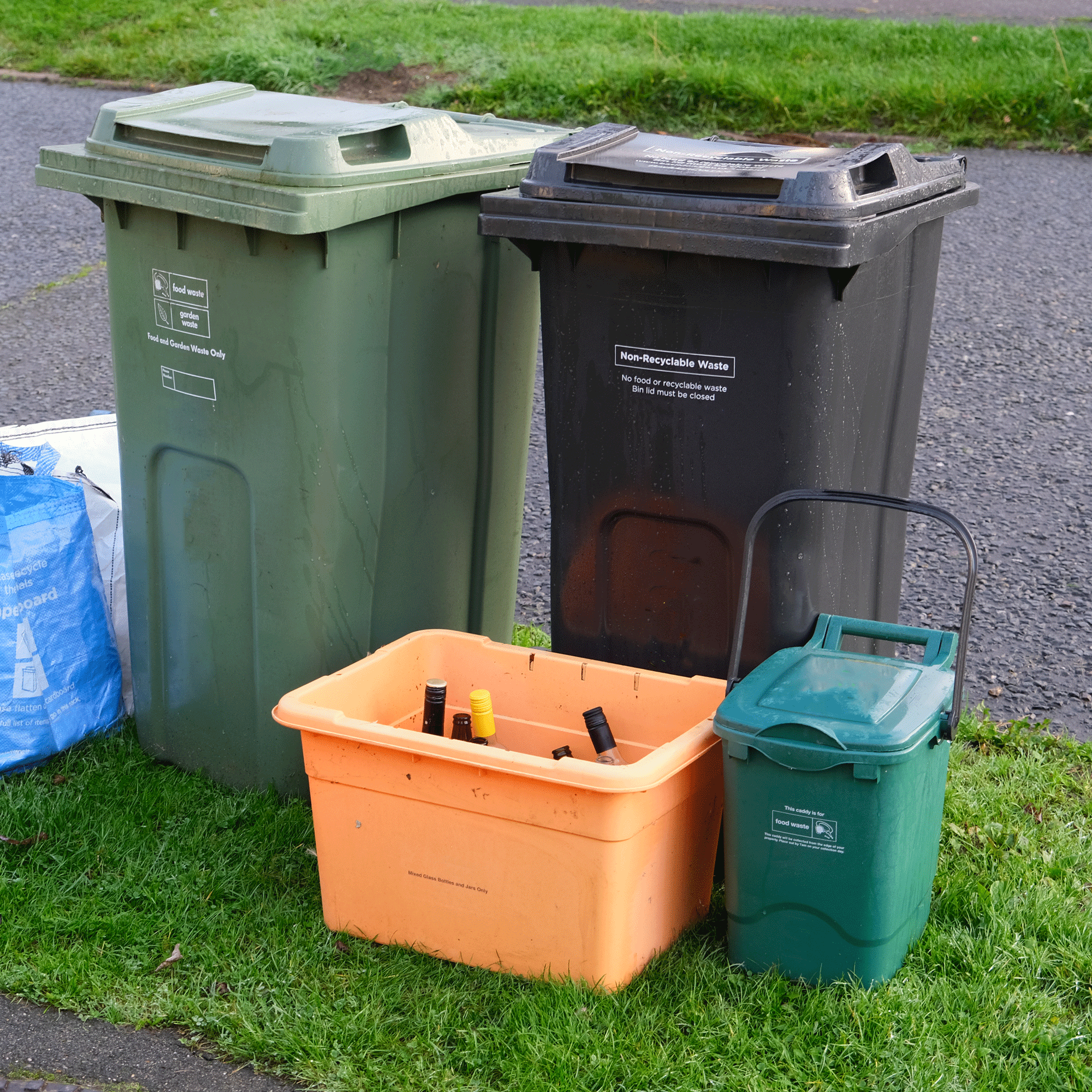
Under the new rules, each household will be allocated two bins: a small bin suitable for the kitchen (a caddy) and a larger bin for outside (for collection). However, we also recommend adding some food scraps (like fruit and vegetables) to your compost bin so you can feed your garden for free.
For your kitchen caddy, you don't always have to use your council-assigned bin. In fact, it can be worth investing in a smell-proof caddy such as the Joseph Joseph Intelligent Waste Bin (£34 at Amazon), which is well-ventilated to reduce moisture and odour. Alternatively, Minky's £12 food waste bin has a handy removable bag retention ring so you don't have to worry about the liners slipping.
What you can't put in your food waste bin
You guessed it, there are some things you should not put in your food waste bin. This includes:
- Liquid food waste such as milk or oils
- Plastic packaging (except compostable caddy liners)
- Any material that isn’t food waste
What food bin liners should you use?
The new rules also apply to the liners you use in your food waste caddy. According to the government, there is ‘no requirement for caddy liners to be provided to households or for them to be used.’ If you do choose to use liners, use environmentally-friendly options like the Green Walker waste bin liners available on Amazon, which are made from fully compostable polymers, and have 1000s of five-star reviews.
When choosing liners, any of the following are ok to use:
- bio-based biodegradable plastic
- bio-based compostable plastic
- bio-based non-compostable plastic
- fossil-based non-compostable plastic (for example, polyethylene)
- bio or fossil-based recyclable plastic
- paper
- repurposed plastic bags (originally intended for purposes other than food waste collection)
- reused newspaper
The government does not recommend using:
- fossil-based biodegradable plastic
- fossil-based compostable plastic
These bags are all well-reviewed and in line with the new rules.


It's always worth reading up on the guidance on your local council’s website, too, as sometimes rules can differentiate between council to council.

If you enjoyed reading this, sign up for the Ideal Home newsletter for all the latest home decor trends and inspiration delivered straight to your inbox
