
I put reflectors behind my radiators 4 years ago — these are the 5 lessons I learned that changed how I heat my home in winter
This £40 upgrade has kept my home warmer for the last four years


With the energy price cap set to rise by 26% on 1 January 2027, the steepest increase in four years, it's never been more important to use less energy at home, while still maintaining a cosy environment that will keep it toasty throughout winter.
I've tried loads of ways over the last few years to save energy at home, from avoiding using my most energy-guzzling appliances to replacing my conservatory roof for an insulated alternative, but there is one method I've tried that I rate the highest out of all those that I've tried. And that's installing radiator reflectors. Having had them for four years now, this is what I've learned.
1. You don't need reflectors behind every radiator

Back in November 2022, I installed Radflek radiator reflectors behind most of my radiators that were fixed to external walls of my home. The only exceptions were the towel rail in the bathroom and a designer radiator on the ground floor, as the reflector would have been too visible.
There's little point in putting foil behind radiators on internal walls as any heat that escapes will stay in your home, but it is worth putting it behind a radiator that shares a wall with, say, an attached garage.

This radiator foil has a thin insulation layer and is easily cut to size with kitchen scissors. It attaches to the wall behind the radiator with strong sticky pads.

If you don't want to stick things to the walls, these Radflek reflectors come with plastic clips that allow you to attach directly to the radiator. Ideal for renters.

With its super low-emissivity outer layer, this radiator reflector from Dunelm claims to reflect over 95% of radiant energy back into your home.
2. You need to pay attention to your thermostat settings

Before I added radiator reflectors, my thermostat would regularly be set at 21°C to keep the house cosy. But after I fitted the radiator reflectors, I found that I didn't need it that high. Each winter since I installed the reflectors, I was comfortable with the thermostat set at 18-19°C. And when you consider that British Gas says you can shave 10% off your energy bill by turning your thermostat down by a single degree, this more than makes the investment worth it in my eyes.
And as never adjusting the temperature is a common thermostat mistake, you could be missing out on savings the reflectors can offer.
While it's hard to attribute a cosier home to one method in particular, especially if, like me, you try multiple methods at once. However, I can feel the impact of the radiator reflectors more directly when I slot my hand (very carefully) down the back of the radiator and between the reflector and the wall. The wall behind the reflector is cold to the touch. So I know it's playing it's part.
3. Radiator reflectors won't be as impactful in every home
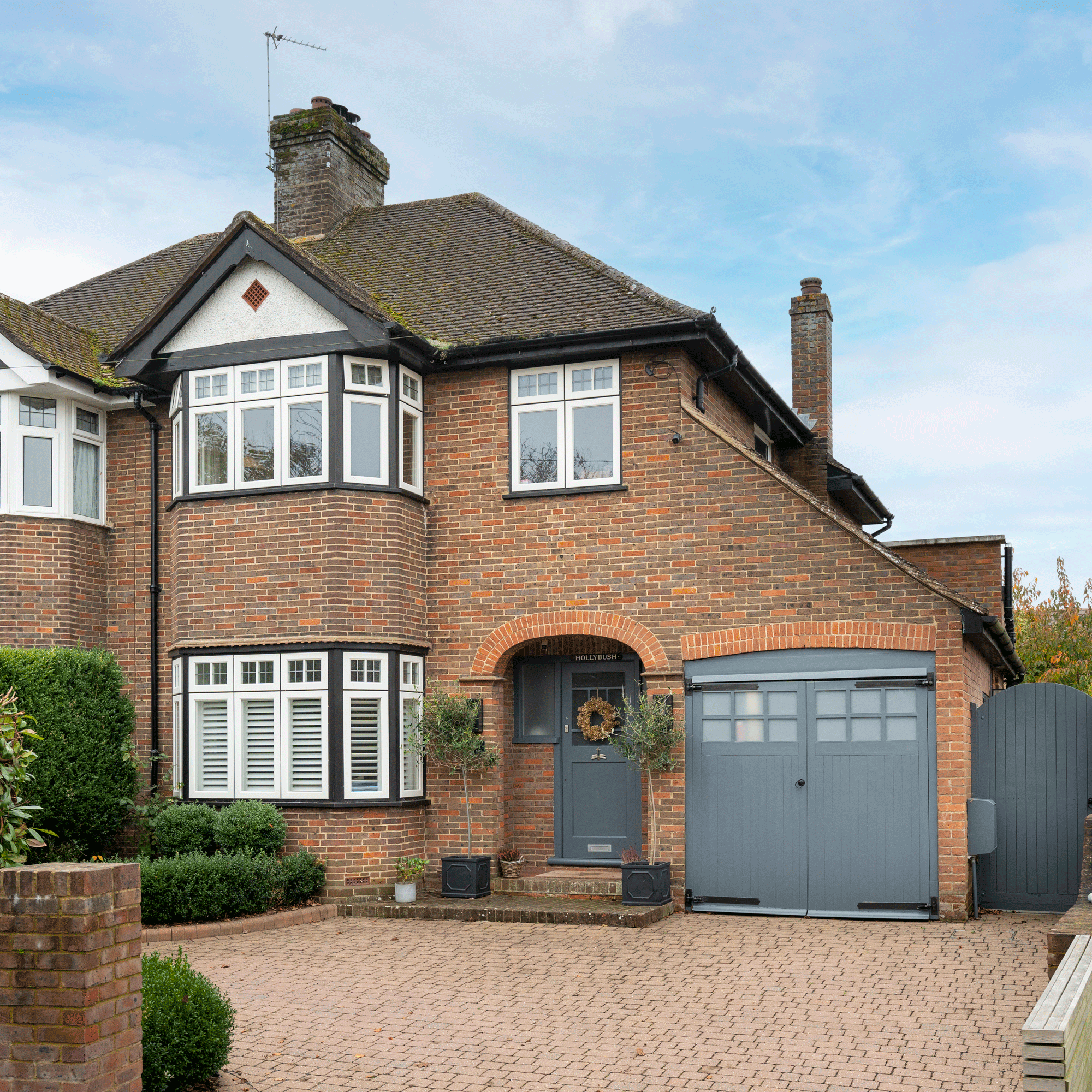
My house is also almost 60 years old, so while it doesn't leak as much heat as some older houses, it's not as well-insulated as some new builds. This also impacts how much of a benefit I feel from the radiator reflectors I installed.
The reflectors have made a noticeable difference in my home, and will definitely be a worthwhile buy for those with radiators on uninsulated walls.
However, those in a well insulated newer house may find that they're hardly losing any heat through the walls behind their radiators, and so the impact on their energy bills and overall comfort levels from radiator reflectors might not be as significant as mine.
4. You need to pair them with regular radiator maintenance

For the best results from your radiator reflectors, you need your radiator to be in good working order. After all, if your radiator has cold spots, there will be much less heat output for the reflectors to encourage back into the room.
That's why I make sure to bleed my radiators every autumn, and check them regularly to make sure they are evenly warm. I also give them a regular dust to keep them working most efficiently.
Moreover, I've made sure I'm developed good habits around draught proofing, I avoid leaving windows open for longer than necessary, and I use Martin Lewis' tactical 4pm rule to help keep heat in my home when the sun goes down. I also pay attention to any hot or cold spots around my home as that's a sure fire sign of an issue that needs addressing.
5. Tin foil will not achieve the same result
Finally, I'd definitely recommend buying proper radiator reflectors rather than using tin foil.
Although it's more affordable, tin foil is thinner and tears more easily, and could easily crumble as you try and slot it behind your radiator, making it harder to install and less effective.
It also doesn't have the same insulating properties as a specifically-designed radiator reflector, according to the Energy Saving Trust, which means you'll be left with sub-par results.

If you enjoyed reading this, sign up for the Ideal Home newsletter for all the latest home decor trends and inspiration delivered straight to your inbox
