If you want your lawn to bounce back quickly from the heatwave, make sure you do these three things before it rains
Help the rain restore your lawn to its former glory


Despite appearances, your lawn probably isn't dead, just very dehydrated.
Grass is extremely hardy, and with some consistent rainfall, your lawn should start to bounce back and prove that your grass isn't dead; however, making the most of every inch of rain is essential.
'Most lawns will show signs of green regrowth within 10 to 14 days of consistent rainfall or watering,' says Jonathan Davis, a grass expert at Lawnsmith. 'When moisture is low, grass focuses its energy on protecting its root system, so this is why its colour drains. Once the lawn has had significant hydration, the turf will quickly regain its flourishing green appearance.'
Rainfall is finally forecast for most parts of the UK over the next week. But if you want to make the most of the wet weather, this is what you need to do.
1. Move your furniture

'Grass will typically begin to recover within one to three weeks after drought conditions ease, although more severe drought can mean recovery takes four to eight weeks,' says Michael Dumanski, landscaping expert at North Hill Gardens.
However, even with heavy rainfall, the grass will only start to recover if the soil is absorbing the water. Your garden furniture is one of the main culprits in stopping this.
Garden furniture is heavy, which compacts the soil and stops it from absorbing rainwater efficiently – not ideal when the grass is parched.
To make matters worse, garden furniture can also divert water – leaving some patches of grass bone-dry, and others flooded – or can block water from reaching the ground altogether.
To ensure your lawn can absorb as much water as possible and give it the best chance of recovery, you must move garden furniture. This exposes all the grass to the rain (and sunlight) and will prevent further soil compaction – which is worse after rainfall.
The same applies to large children's toys and paddling pools, which will also kill the grass beneath.
Even if we've already had a few days of rain, still move your garden furniture off the lawn. It will limit the damage and help encourage the grass beneath to bounce back – those patches might be just a little behind the rest of the lawn.
2. Do not walk on the grass
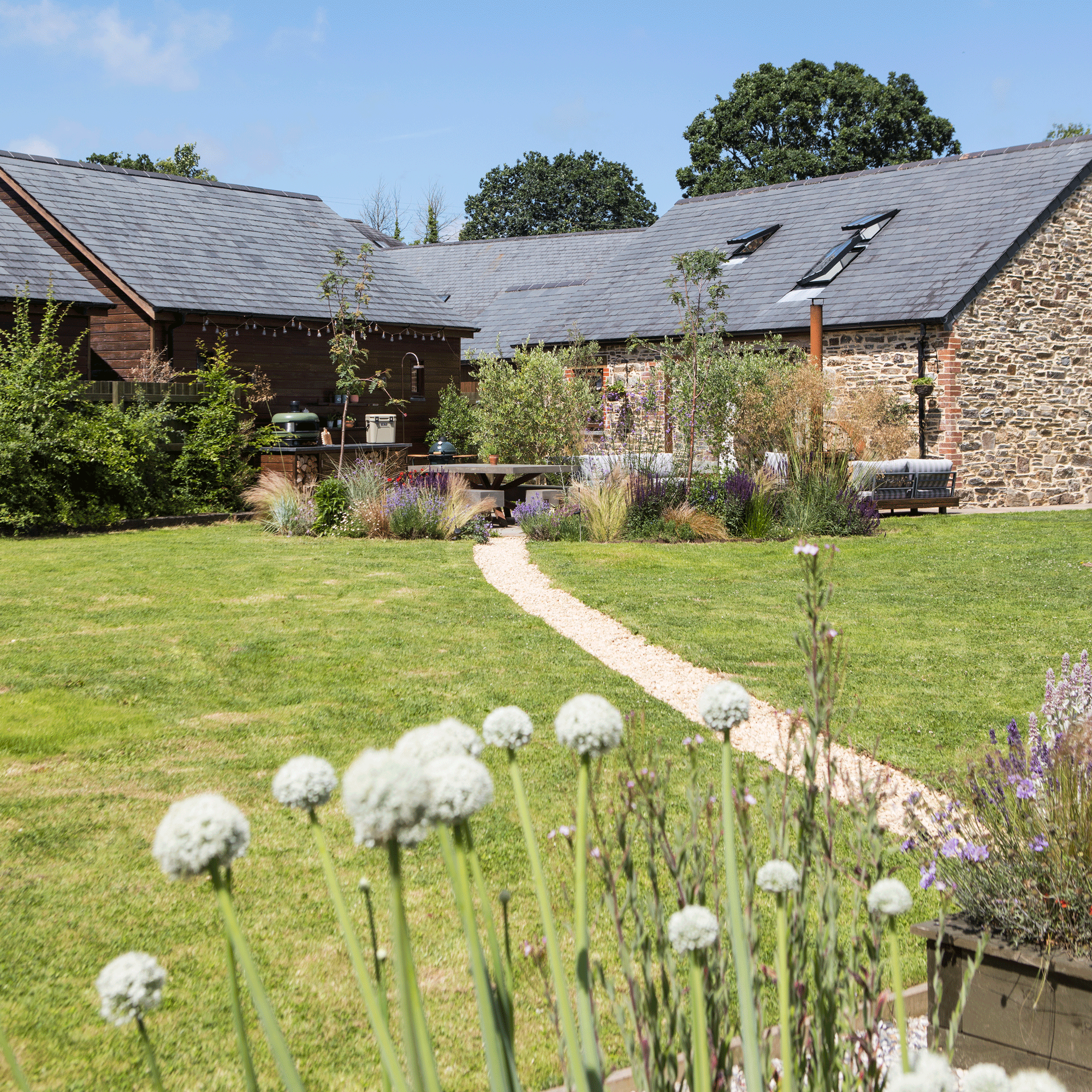
Just as garden furniture causes the ground to compact and reduces the amount of water the soil can absorb, walking on damp ground has the same effect.
'When soil is wet, walking across it can cause compaction, pressing soil particles closer together and reducing the air spaces between them. This can restrict water infiltration, meaning water is more likely to sit on the surface rather than penetrate the soil,' says Michael Dumanski, landscaping expert at North Hill Gardens.
'Compacted soil also makes it harder for new roots to grow, so recovery takes longer. If you can, leave the lawn alone until you've had some cooler weather and it's started actively growing again,' advises Matt J Adams, founder and lead gardener at The Relentless Gardener
If you must walk on the grass, follow the same path – you could even make it an official walkway with one of these path ideas – and Matt advises hollow tine aeration using a tool like this from Amazon. 'Hollow tine aeration helps air and water get down to the roots and aid a much faster recovery after drought.'
3. Use a wetting agent

With so little rain over the last few months, making the most of every millilitre is essential. Using a wetting agent (£17.99 on Amazon) ensures that the water is absorbed into the soil and reaches the grass's roots, rather than just running off the surface.
'A wetting agent is a chemical that reduces the surface tension of water. When applied to soil, it helps rain and water penetrate the turf and spread more efficiently,' says Jonathan Davis, a grass expert at Lawnsmith. 'Water can sometimes just run off soil, especially when the ground is dry and hard. By disrupting the water’s surface tension, a wetting agent immediately allows it to filter down through the soil, right to the roots where it’s most needed.'
This is different from fertilising your lawn, which is one of the garden jobs you should never do in a heatwave.
Also consider other ways to help the soil to retain moisture. When you're back mowing – 'wait until the grass reaches a height of more than 30-40mm,' says Matt J Adams of The Relentless Gardener – be sure to reuse the grass clippings by leaving them on the grass. This method of using grass clippings as lawn mulch helps retain soil moisture and will make your grass look greener.
After a summer of hose pipes and drought conditions, it's worth making the most of every drop of rain to get your lawn back in peak condition.
