Can my neighbours complain about my front door colour? Legal experts explain when they can (and can't) make you repaint
These are the rules to check before you paint


Painting your front door can transform how your home looks from across the street, but because it's on show to everyone, it's also the DIY job your neighbours are likely to have an opinion on. So, before you pick up a paintbrush, it's worth finding out: Can my neighbours complain about my front door colour?
With no shortage of front door colours to choose from, it's natural to want to put your own stamp on it. As Lucy Steele, senior brand manager and resident colour expert at Valspar Paint puts it: 'Your front door is one of the first things people notice about your home, so choosing a shade that complements the exterior while reflecting your personal style is key.'
But if neighbours take a dislike to it, can they complain and even make you repaint it? The short answer is yes, they can complain, but simply disliking a colour isn't enough to force a change, whether you've gone for a classic navy or a bold bubblegum pink.
I asked legal professionals and a paint expert to explain in more detail. Here's what they had to say.
When can a neighbour complain about a front door colour?
'Your neighbour can raise a concern with you or contact the council if they think a planning or listed building rule has been breached,' explains Martin Edwards, Director at HCB Widdows Mason. 'But disliking the colour doesn’t give them the right to make you repaint it.'
There are four situations when a complaint may stick:
- Your home is a listed building: 'If your home is listed, you may need listed building consent if the change would affect its special architectural or historic character,' warns Martin. Skipping it can be a criminal offence.
- You live in a conservation area: Martin explains that in some conservation areas, the council has what's known as an Article 4 direction, which can mean you need planning permission for external painting. 'It’s worth checking exactly what the direction covers, as the rules can vary from one street to the next,' he says.
- You own a leasehold property: 'Leasehold properties can contain covenants that require homeowners to obtain written consent before making certain changes, particularly where the front door forms part of the wider building or development’s aesthetic,' explains Aron Heywood, managing associate at Orwins Law.
- Your deeds have rules about how your home looks: 'On some estates, a restrictive covenant in the deeds can control changes to the appearance of a home,' says Martin.
- Your door could be considered a nuisance: If your front door change goes beyond aesthetics, complaints may arise. 'For example, there could be a potential legal complaint or scrutiny about a door displaying offensive messaging, provocative imagery or something capable of distracting drivers on nearby roads,' says Aron.

What should you do to avoid this when painting a front door?
'Start with your council’s planning website,' advises Martin. 'Look for the conservation area map, any Article 4 directions that apply to your address and any relevant conditions on the property’s planning permission.' If you're unsure, ask the council’s planning or conservation team before you paint.
Next, dig out your paperwork. Leaseholders should check for clauses about external decoration, while freeholders should look for restrictive covenants. 'If you no longer have the paperwork, you can get a copy of the register from HM Land Registry and request any relevant deeds it holds.' Martin explains.
What are the best colours to avoid when painting a front door?

'While there aren't necessarily any colours homeowners should avoid altogether, I'd recommend being cautious with cooler, dark greys and stark black tones,' says Lucy. 'They can sometimes feel quite harsh and industrial, particularly against warmer brickwork or traditional properties.' It's one of several front door colour mistakes worth avoiding.
So, which colours are more likely to ruffle a few feathers among neighbours? Lucy says bold, statement colours such as bright reds, vibrant yellows and primary blues, are the shades that tend to divide opinion. And some front door colours can even devalue your home.
'While these shades can be a great way to inject personality into your home's exterior, they can also feel overpowering, particularly when paired with traditional brickwork or more neutral exterior schemes,' Lucy explains.
Lucy recommends considering softer, more muted colours if you're looking for something with lasting appeal. 'We're seeing a growing preference for warmer, earthier tones and nature-inspired shades that add character without overwhelming the exterior,' she says.
More welcoming front door colours to consider include deep-greens, mossy sage and French mustard tones.
What should you do if a neighbour complains about your front door colour?
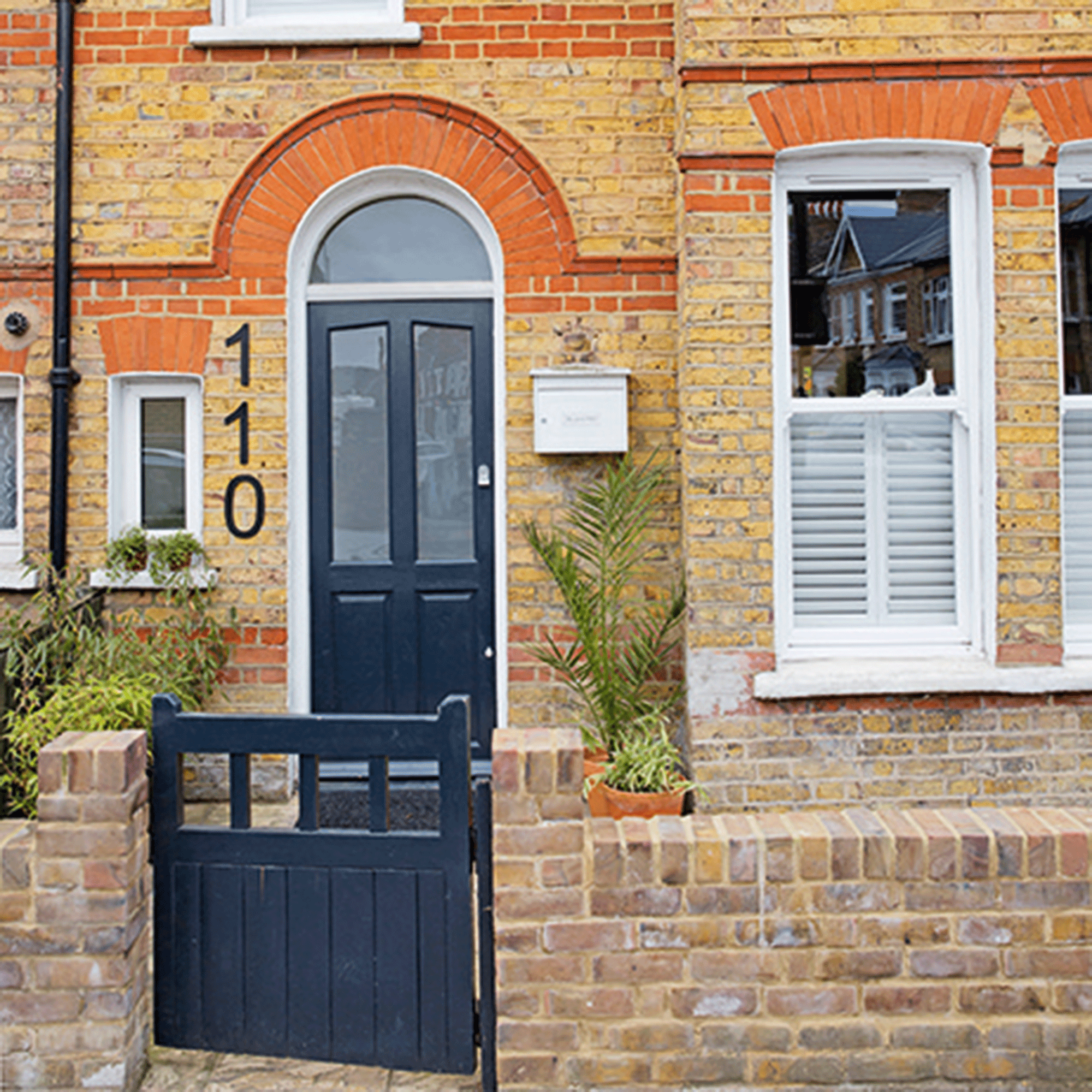
The best place to start is with a friendly conversation. 'Ask what’s worrying them,' advises Martin. 'If they think there’s a rule about the colour, ask them to show you where it’s set out.'
This gives you something concrete to check before you decide what to do. 'If it’s a planning issue, speak to the council. If it’s about the lease or deeds, check the wording and speak to the freeholder or your conveyancing solicitor as appropriate,' adds Martin.
Ultimately if a neighbour's complaint comes down to personal taste, Martin's advice is to acknowledge their view and explain that you’re happy with the colour you’ve chosen. 'A calm conversation early on can help keep a disagreement over a front door from turning into a wider dispute.'
Front door paint colours (that won't offend your neighbours)


If you've been asking yourself, 'Can my neighbours complain about my front door colour' the good news is, that in most cases, a complaint is usually as far as it goes. As long as you've done your checks, you're free to enjoy your front door shade, whether the neighbours approve or not.
