Has the summer heatwave damaged your home? These are the 7 areas where extreme heat can wreak havoc, and how to fix it
The heatwave may have waned, but our homes could still be suffering its effects – here's how to rectify any damage yourself


The seemingly endless heatwave may have finally broken, but that doesn't mean it's affect on our homes has gone too.
Extreme heat can cause damage to certain elements of a house, some of which can be expensive to put right if not dealt with quickly – thankfully, once you know which areas are most susceptible to heat damage, undertaking a few easy DIY projects is all that is required to resolve any issues.
Here, I reveal the exact spots around the home where heatwaves can cause problems, the symptoms to be on the lookout for and, of course, how to put things right.
1. Timber flooring

Our flooring has to deal with so much and take the brunt of all our daily activities, having to withstand footfall, spills and dirt to name but a few. We often take them from granted but they can be one of the first areas of a house to suffer in a heatwave.
All different types of flooring can be affected but wooden flooring in particular is something to keep an eye on, as Costel Radescu, founder and CEO of CR Group, explains. 'Prolonged heat and dry air can cause solid wood flooring to shrink, leaving gaps between boards.'
Martin Aleksandrov, director of Floor Sanding Enterprise, points out the other issues heat can cause. 'Excessive heat will cause wood to dry out rapidly, which may result in shrinkage of the individual planks and a widening of the space between them. Plus, in some cases, the edges of the plank may start to lift or even warp.'
The solution:
There are several steps you can take to prevent and remedy this – your main focus should be how to keep a room cool in the first place.
'Keep indoor temperatures as stable as possible by closing blinds or curtains during the hottest part of the day and avoid overusing fans directly on timber floors,' advises Costel Radescu. 'If you have air conditioning, don't set it excessively low – gradual cooling helps minimise movement in the wood.'
'After any period of extreme heat, check your flooring for new gaps, lifting, creaking or movement,' suggests Martin Aleksandrov. 'While they don’t necessarily mean your flooring needs replacing they should still be evaluated before the problem spreads.'

Costel is a highly experienced construction professional and entrepreneur, with nearly two decades of hands-on and strategic experience in the UK property and building industry.

Martin Aleksandrov is the director of Floor Sanding Enterprise, a family-run floor sanding company who restore wooden floors in residential and commercial buildings.
2. Windows and doors

Windows and both external and interior doors are often one of the first areas of a house to respond to fluctuations in temperature.
'Doors are arguably the most important part of the interiors to protect. Timber doors and window frames can swell during periods of intense heat, making them difficult to open or close,' explains Costel Radescu.
It isn't just timber doors and windows that can be affected by heat though – aluminium systems can also suffer, as Edward Stobart, technical sales manager at IDSystems, points out. 'During heatwaves, aluminium-framed doors and windows, particularly those with darker coloured frames, face the impact of the heat. Because aluminium is a metal (with high thermal conductivity and expansion properties), extreme heat can affect both the operation of the doors and the performance of the glazing.
'One of the first thing homeowners may notice is that the doors seem heavier to operate, or they may experience issues fully closing the doors – particularly where doors have been opened in the morning when temperatures are cooler and then closed in the afternoon when the temperatures are much higher,' adds Edward.
The solution:
Costel Radescu is keen to point out that a gentle approach is best when it comes to dealing with windows and doors that stick in their frames. 'Resist the urge to force them, as this can damage hinges, locks and paint finishes. Instead, keep hinges and locking mechanisms lightly lubricated, and check that drainage channels around windows are free from debris so trapped moisture doesn't make swelling worse.'
And how should owners of aluminium windows and doors react? 'When they cool down they will return to their normal operation, but during hot summer days and nights this may not happen,' says Edward Stobart. 'In these instances you can use a hosepipe on the profiles to cool them down which will make it easier to open or close the products.'

A long serving member of the IDSystems team, for the past 20 years Edward has advised and supported self-builders and renovators to identify the most suitable glazing options for their project. He has recently finished a complete renovation and remodel of his own home, transforming a tired 1960s house into a stylish modern family home.
3. Exterior paintwork

While most people are aware that carrying out any kind of exterior painting on a very hot day is a bad idea, did you know that existing paintwork can also suffer as a result of extreme temperatures?
'South and west-facing walls take the brunt of the sun, and extreme heat can accelerate fading, blistering and cracking in older paint,' warns Costel Radescu.
'When exterior walls heat up, they expand. As temperatures drop, they contract. Over time, that constant movement can lead to cracks forming and paint starting to peel,' further explains Jack Reading, marketing manager from Emperor Paint.
The solution:
As with so many things, prevention is better than cure when it comes to exterior paintwork.
'One of the simplest ways to protect your home is to reduce how much heat your walls take on in the first place,' says Jack Reading. 'Most masonry and exterior paints will reflect a bit of sunlight, but higher-quality paints, especially in lighter colours such as white, reflect far more. Look out for paints with higher levels of titanium dioxide, such as Emperor Masonry Paint, which help reflect more of the sun’s energy away from the surface and keep wall temperatures lower in hot weather.'
If you do notice damaged areas there are still steps you can take to make things a little better, as Costel Radescu explains. 'Inspect exterior woodwork for small cracks or peeling areas and touch them up promptly before the next spell of hot weather. Keeping exposed timber properly sealed prevents UV damage and reduces the risk of moisture getting in when temperatures eventually drop.'
Shop exterior paints

This exterior eggshell comes in a range of beautiful shades and is perfect for both exterior woodwork as well as metal. The finish is flexible so can withstand all kinds of temperature changes, is breathable and, being resin rich, resists fading for up to six years.

Perfect for masonry, pebbledash and render, not only is this exterior paint UV resistant, but it also has a mould and algae resistant film and is rainproof too. This hardwearing paint also promises 15-years of protection against the elements.

This satin paint can be used for all kinds of things, from interior metalwork and woodwork, such as radiators and skirting boards, to exterior woodwork such as your front door. It is crack and peel resistant for up to six years.

Jack Reading has worked with the team at Emperor Paint for over 5 years, helping shape Emperor’s drive to empower homeowners to transform and protect their homes.
4. Driveways and patios

Being on the lookout for signs of summer driveway damage is so important during a heatwave as it can mean you won't make the problem any worse.
In particular, be alert to melting tarmac driveways, as using them can cause all kinds of issues – look for any shiny patches on the surface.
When it comes to patios and paving, heat can also have some unwanted effects according to Costel Radescu. 'Paving may expand and existing cracks can widen.'
The solution:
'Avoid leaving heavy vehicles or skips in the same spot during the hottest part of the day, as they can leave permanent indentations in softened surfaces,' says Costel. 'Check for loose pointing or widening joints after a heatwave and repair them early to stop further deterioration.'
5. Roofs and loft spaces

Being out of sight means it is easy to overlook roof damage or any issues lurking in your loft, but during a heatwave, both of these elements of a house can suffer – and roof replacement can be pricey so is something to be avoided where possible.
Property maintenance specialist Alex Morrisey, MD of Best Roofers, explains why it is so important to keep an eye on your roof during a heatwave. 'Roofs can be incredibly susceptible to damage during extreme temperatures. This is because roofing materials can expand and contract during hot weather, which places the structure under significant stress. This may result in cracked roof tiles, warping of roofing materials, and softened or blistered flat-roof membranes.
'Poor ventilation in the home during extreme temperatures can also cause an excess of heat to build up in loft spaces, which later results in a significant moisture build-up,' continues Alex. 'This build-up of moisture can quickly result in loft condensation, mould growth and increased stress on insulation, damaging the internal structure of the roof.'
The solution:
'Homeowners should replace ageing membranes and secure loose tiles as soon as possible to prevent damage during hot weather,' advises Alex. 'Also, check that vents are unobstructed and aren’t being blocked by any loft storage during extreme temperatures. Restricted airflow can quickly result in mould and mildew build-up, so homeowners need to ensure that lofts are correctly ventilated this summer.'
Alex is Managing Director of Best Roofers and a property maintenance specialist.
6. Bathrooms
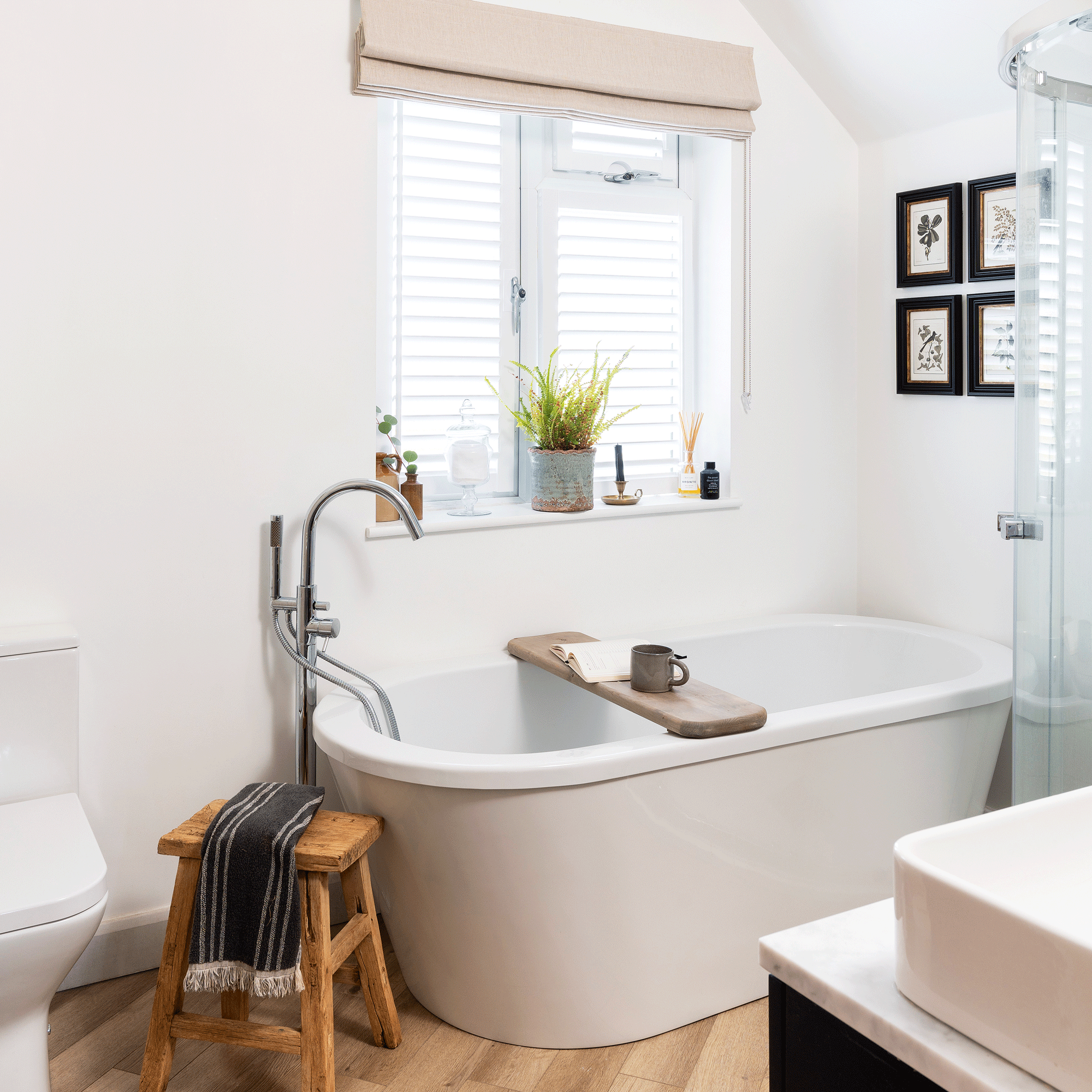
Presumably your bathroom ideas were based around creating a tranquil haven in which to both unwind and restore – so the last thing you want is for the space to be damaged by the heat.
One of the worst problems that can rear its ugly head during a heatwave is mould, according to Alex Morissey. 'Bathrooms are very vulnerable to damage during extreme weather, particularly when it comes to accelerating mould growth.
'Thanks to an excess of heat, humidity and moisture, mould growth can be prevalent during the summer, especially where humid air is likely to become trapped in poorly ventilated conditions,' continues Alex. 'One of the main places where mould thrives in the bathroom is on silicone sealant, which lines bathtubs, showers, windows, toilets and sinks.'
The solution:
'Open bathroom windows regularly, use a good extractor fan, and consider using a dehumidifier to remove any excess moisture and prevent mould growth,' says Alex.
Quick note here, before using a dehumidifier in the bathroom, do check the model is suitable and make yourself aware of any electrical safety requirements.
The good news is that if mould has already set in, there are lots of really effective ways to remove mould from silicone sealant in the bathroom out there too.
Shop bathroom heatwave saviours

Once dry, this sealant, is flexible and mould resistant, so even during extreme weather it should remain unaffected by hot, humid air.

A good extractor fan is your secret weapon against bathroom mould and this model is one of the most powerful of its size – plus it is super quiet to run.

Ideal for tackling condensation, damp and mould in smaller spaces, this low-noise dehumidifier can be controlled using the Meaco app and takes up minimal space.
7. Soft furnishings

Last, but not least, even your decorative flourishes and soft furnishings can be negatively impacted by hot weather.
'Direct sunlight can bleach fabrics, warp wooden furniture and even crack leather upholstery,' explains Costel Radescu.
The solution:
Again, preventative measures are best here and Costel has some really handy tips. 'Move valuable furniture a short distance away from sunny windows where possible, and use lined curtains, blackout blinds or UV-filtering window film to reduce solar gain. Rotate cushions and rugs regularly too so any fading happens evenly rather than in obvious patches.'
'UV linings on curtains can also help protect furniture from becoming damaged and discoloured by the sun,' adds Alex Morissey.
FAQs
Can a heatwave damage your plumbing?
It isn't just freezing temperatures that can wreak havoc on your plumbing, causing pipes to ice up and even burst – high temperatures can be damaging too.
'Hot weather can put additional stress on pipes as materials expand in high temperatures, leading to issues with external plumbing or reductions in water pressure,' explains Kara Gammell, home insurance expert at MoneySuperMarket.
'To help protect pipes during heatwaves, consider installing insulation or tap covers to shield them from direct sunlight or apply reflective, water-based acrylic paint to any exposed metal or PVC pipes.
'If plumbing issues do occur, contact a professional immediately and let your insurance provider know of any damages,' adds Kara. 'If flooding has occurred, move valuable items away from affected areas and take photographs of the damage to support any potential claim.'

Kara is Brand Spokesperson at MoneySuperMarket, where she provides expert commentary on issues including insurance, savings, the cost of living and everyday money decisions.
It isn't just your house that can be damaged by hot weather – your garden is likely to be suffering too. Make sure you know how to protect your lawn during a heatwave in order to keep your grass lush and healthy.

If you enjoyed reading this, sign up for the Ideal Home newsletter for all the latest home decor trends and inspiration delivered straight to your inbox
