The secret 'rug rules' interior designers use to create the most elegant bedrooms – how to get sizing and placement right
According to the experts, these rug styling tricks will make our bedrooms look more 'balanced and luxurious'


A rug is the perfect finishing touch for any bedroom. However, I speak from experience when I say that finding the *right* rug for your bedroom can be easier said than done.
And it isn't just about finding the right colour, pattern, and texture to bring your bedroom rug ideas to life. No, both the size of the rug and its placement in the bedroom matter too.
Get your proportions wrong, and your underfoot investment could actually ruin the aesthetic of your otherwise carefully thought-out bedroom design ideas.
Luckily, there is help on hand. I've asked a roster of interior experts for their top tips on bedroom rug placement, as well as their go-to bedroom rug size guidelines.
These are the bedroom rug rules to follow for a perfectly proportioned floor covering.
Bedroom rug placement rules: how to get rug layout and positioning right
First up, bedroom rug placement. As interior designer Lucy Van der Gucht explains 'there are no strict rules for positioning a rug in a bedroom, but there are a few things worth considering.'
'Ideally, a rug should feel intentional and connected to the rest of the space,' says Lucy, 'rather than placed in the centre of an open area without a clear relationship to the furniture. When chosen and positioned thoughtfully, a rug can add warmth, softness, and cohesion, quietly bringing the whole room together.'
'Rugs are a fantastic way to zone a space,' agrees Katerina Tchevytchalova, director of interior design studio K’Arte Design. 'In a bedroom, a well-chosen rug can help define the sleeping area and create a more intentional layout.'

And as our design experts explain, successfully positioning a bedroom rug can have a lot to do with the size of your bedroom. Here's what you need to know.
Rug placement in large bedrooms
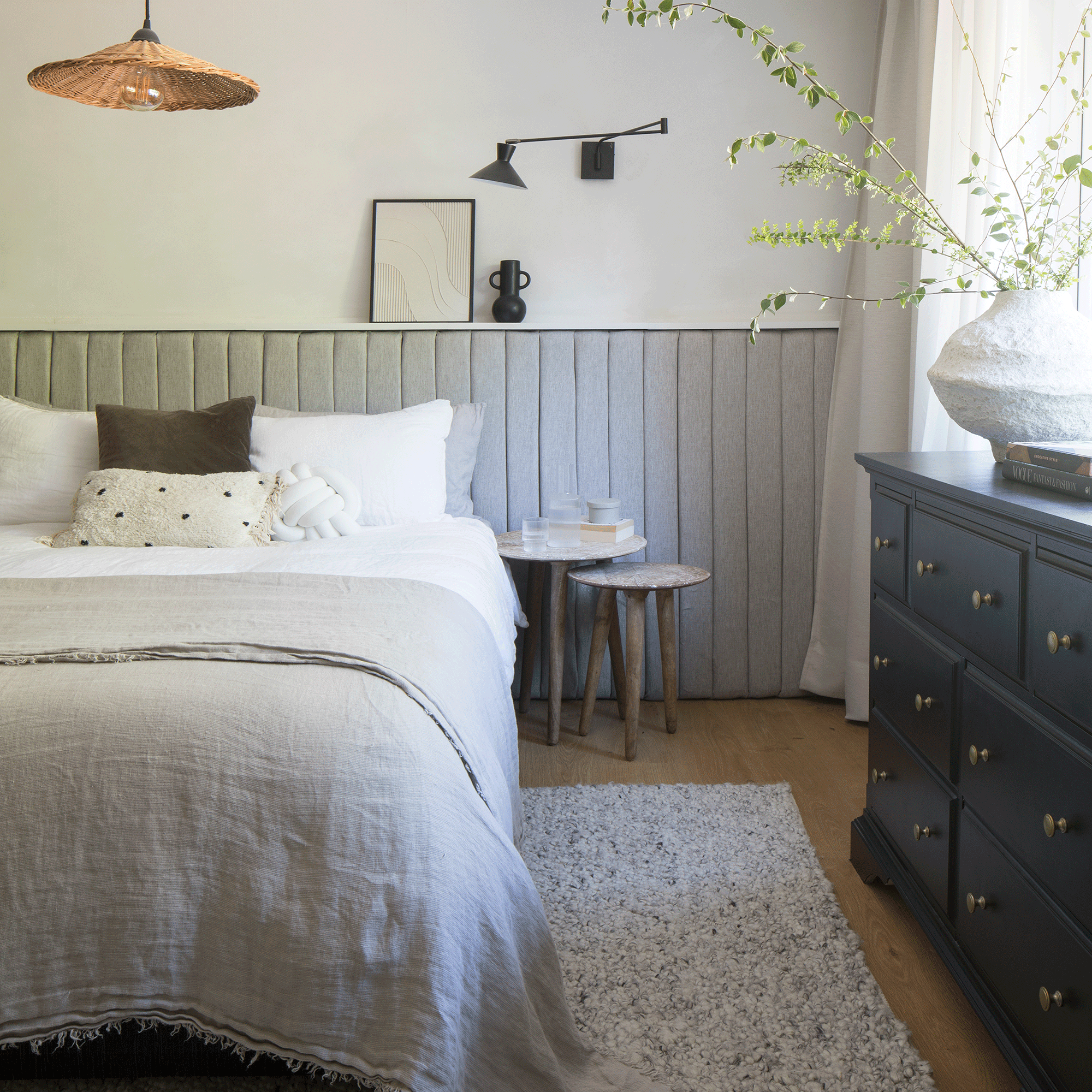
If you're blessed with a large bedroom, our experts say there are two main placement options. 'In larger rooms, placing a rug fully under the bed and bedside tables can work well,' says Lucy. 'This helps to anchor the sleeping area within the room.'
'For larger bedrooms, I tend to place a large rug under the entire bed and bedside tables,' agrees Katerina. 'This creates a cohesive, luxurious look and helps visually anchor the bed within the room.'
'The classic approach is to position the rug fully beneath the bed and bedside tables so it frames the bed evenly on all sides for a balanced and luxurious look,' agrees Helen Ashmore, head of design at homeware retailer Laura Ashley.

'Or, a more flexible option is to place a rug two-thirds under the bed, starting just in front of the bedside tables and extending beyond the foot of the bed,' shares Helen. 'This offers a more cost-effective choice that will still ground the bedroom beautifully.'
'Positioning a large rug partially under the bed allows the rug to visually frame the bed while ensuring you still step onto something soft when getting up in the morning,' agrees Lucy.
And our experts say that placing a rug under the bottom two-thirds of the bed, or even just the lower one-third of the bed, is an approach that also works well in smaller bedrooms.

Rug placement in smaller bedrooms
'In smaller rooms, a rug placed partially under the bed can still add warmth and softness without overwhelming the space,' says Lucy.
'In a small bedroom, a smaller rug placed at the foot of the bed works just as well and gives the same effect,' agrees Katerina. 'When layered over carpet, it adds plenty of texture and colour too.'
Alternatively, Helen offers another approach for small bedrooms, saying, 'in smaller bedrooms, individual rugs or runners placed on either side of the bed will help to soften the space without overwhelming it.'

'Ultimately, the right placement will depend on the room's size and the proportions of the furniture, but the aim is always the same: to create a sense of comfort, balance, and visual harmony around the bed,' says Lucy.
Bedroom rug size rules: this is how big your bedroom rug should be
Okay, so we have our placement options sorted, but now what about the size of rug we should opt for?
'Size is crucial,' says Helen, 'a rug that is too small will make the room feel disconnected, so you should aim for it to extend at least 45-60cm beyond the sides and foot of the bed.'
'A bedroom rug should be large enough to extend at least 45-60cm beyond the sides and foot of the bed,' agrees Katerina, 'so it feels proportional to the furniture.'
'Ultimately, the size of a bedroom rug will largely depend on the scale of the room and how you want it to function within the space,' adds Lucy.
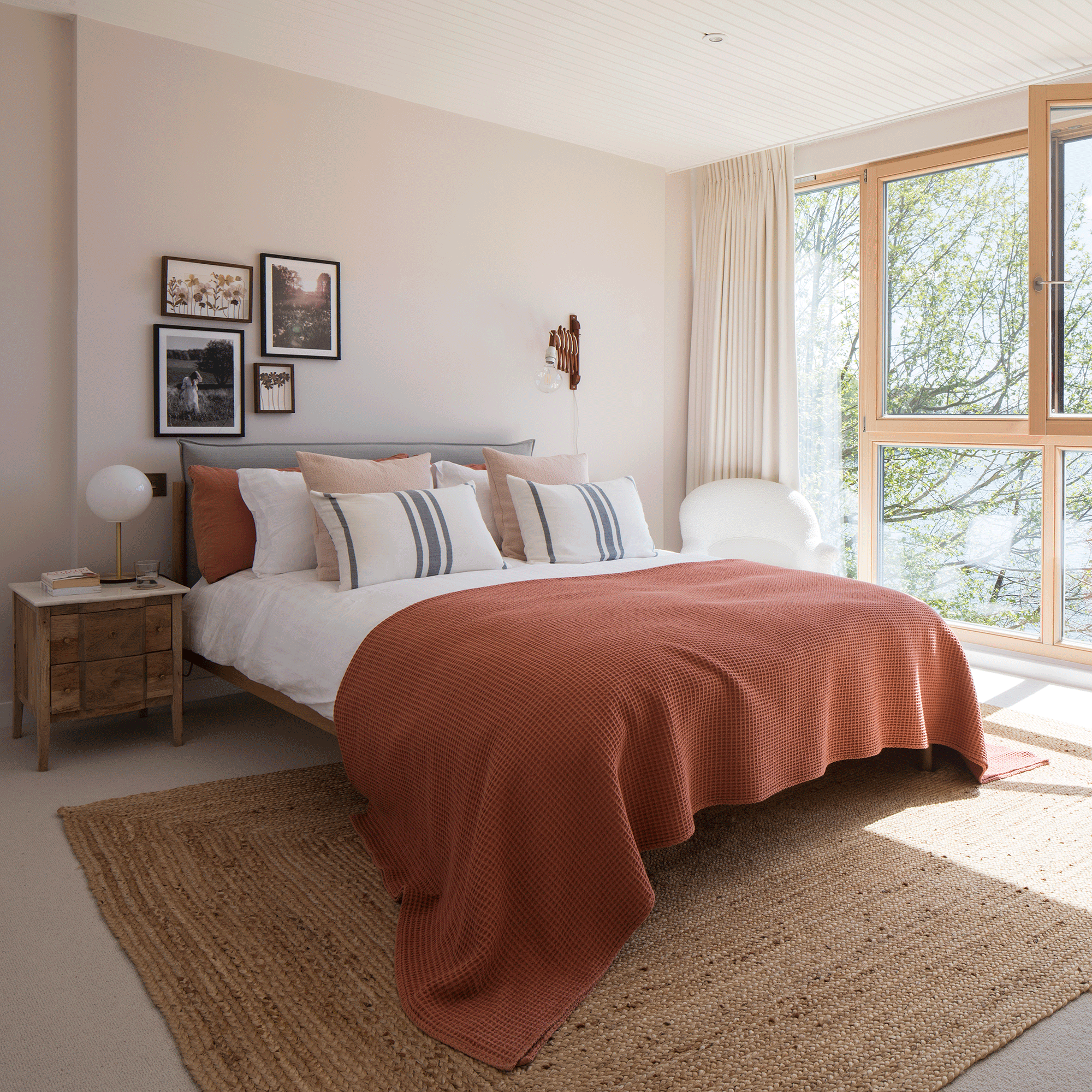
'What is generally best avoided is choosing a rug that is too small, as this can feel disconnected from the rest of the room and make the overall scheme look slightly disjointed, warns Lucy.
So if in doubt, go as big as your budget allows. 'Rugs that are too small will make the room feel disjointed,' agrees Katerina, 'so think big.'
Other design 'rules' to bear in mind
'Don't forget to consider balance and symmetry,' says Helen. 'If the bed is centred in the room, then the rug should reinforce this alignment.'
'Consistent spacing around the room's perimeter is also important,' adds Helen, 'so consider how your rug will interact with other pieces in the room to ensure a really cohesive finish. The key is to make sure the rug relates to the scale of the room, rather than appearing to float.'
'I’d always suggest maintaining symmetry, meaning there should be the same amount of rug visible on either side of the bed,' agrees Katerina. 'This ensures the room is balanced and creates harmony in the space.'
'Rather than getting too caught up in rules, it’s more helpful to think about proportion and balance,' agrees Lucy. 'A rug should feel connected to the room and the surrounding furniture, helping to visually pull the scheme together rather than appearing as an additional item placed in the space.'

And of course, as well as size and placement, it's also important to consider how the rug looks, and – perhaps most importantly – how it *feels*.
'I always consider how a rug feels when you step out of the bed,' says Katerina, 'it should feel soft against the feet, so think wisely about the material and texture of the rug, and avoid rugs such as jute or coir, which would be better suited for high-traffic areas of the home.'
Bear these guidelines in mind when you shop, and your rug should become the 'glue' that holds your whole bedroom scheme together, visually anchoring your bed, and providing warmth and comfort underfoot.
Get the look


If you enjoyed reading this, sign up for the Ideal Home newsletter for all the latest home decor trends and inspiration delivered straight to your inbox
